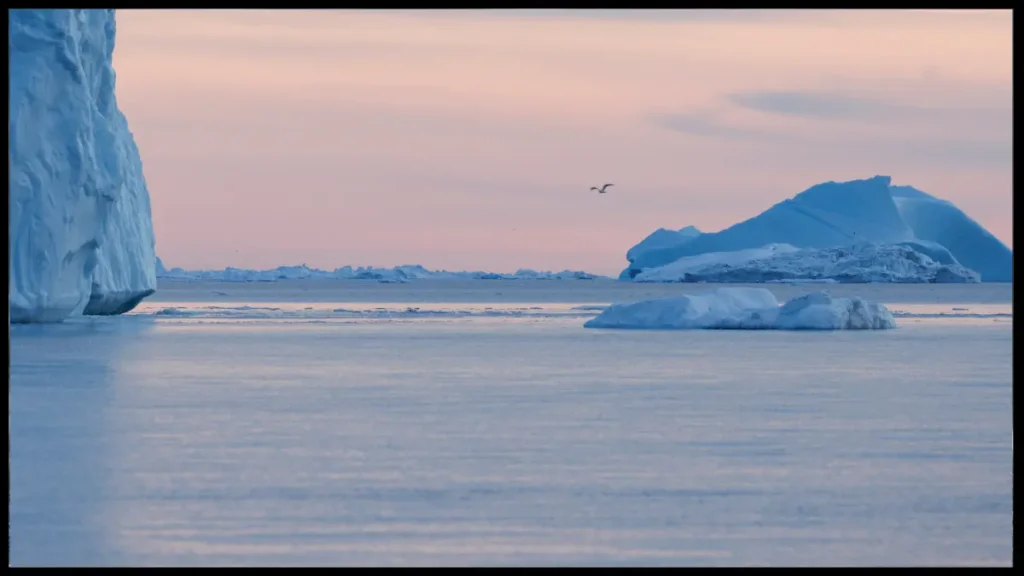
New tit-for-tat port fees between the U.S. and China, U.S. threats tied to the IMO climate vote, fresh Iran-energy sanctions impacting a Sinopec-linked terminal, a $475m WTIV cancellation, rising EU ETS/FuelEU costs, a rapid Arctic transit to the UK, Ørsted’s workforce reset, and Japan’s 98% methane-slip cut together reshape voyage economics, utilization, insurance, and capex in the near term.
Top Developments Impacting Maritime P&L - 10/13/25
Story
Impact
Business Mechanics
Bottom-Line Effect
US warns penalties for backing IMO Net-Zero plan
Adds geopolitical and compliance risk around potential global carbon rules.
Threats include visa limits, sanctions, and reciprocal port charges affecting partners.
📉 Higher legal/admin costs; 📉 route and counterpart risk premia widen; some fixtures delayed.
Mutual port-fee measures: US ↔ China
Direct per-call charges on targeted fleets; uncertainty on scope and escalation.
China adds “special” fees on US-linked ships as US plans higher fees on China-linked tonnage.
📉 Opex up; 📉 schedule reliability down; 📈 some freight rates see pass-through surcharges.
Iran-oil sanctions hit Sinopec-linked terminal
Disrupts a hub handling a significant share of Sinopec crude; diversions already reported.
Named terminal and entities face banking/insurance pullback; VLCCs reallocate discharge.
📉 Throughput at affected nodes; 📈 tonne-miles rise elsewhere; mixed rates depending on segment.
$475m WTIV order canceled by Maersk Offshore Wind
Signals softer near-term US offshore wind execution and project slippage.
📉 Yard and install-fleet utilization risk; 📉 day-rate pressure if pipeline pauses extend.
Carbon costs move from policy to line-item
EU ETS/FuelEU phase-in lifts 2025 surrender and penalties; costs scale through 2026.
Allowances at ~€70–80/t guide budgeting; container and RoPax average payments notable.
📉 Margin compression if not passed through; 📈 scrubber/alt-fuel ROI improves on certain routes.
Arctic NSR liner transit: China to UK in ~20 days
Seasonal alternative to Suez for select lanes; time and working-capital savings.
Operability tied to ice windows, insurance, and Russia-controlled infrastructure risk.
📈 Potential cost/lead-time gains on niche trades; 📉 elevated operational and political risk.
Ørsted trims workforce ~25% by 2027
Signals slower global offshore wind buildout outside core Europe in near term.
Lean pipeline may reduce near-term demand for WTIVs, SOVs, CTVs, and some yard slots.
📉 Lower utilization visibility for certain offshore service fleets; project timing risk persists.
Japan trial cuts methane slip ~98% on LNG vessel
Improves lifecycle profile of LNG-capable tonnage if scaled.
Sea trials show major reductions; commercialization targeted post-trial window.
📈 Supports asset values and charter appeal of LNG/dual-fuel; future carbon-cost relief potential.
Notes: Impacts reflect publicly reported developments. Effects vary by fleet, trade lane, financing, and risk appetite.
📈 Winners
📉 Losers
Transparent crude and product tanker owners: reduced gray competition and longer diversions support utilization and TCEs.
LPG carrier operators with clean compliance: sanctions pressure on select VLGC chains lifts mainstream employment prospects.
Carriers with pricing power on US–China lanes: port fee surcharges can be passed through to cargo owners on tight corridors.
Ports and terminals outside sanction and tariff crossfire: become preferred nodes for risk averse charterers and traders.
Arctic capable owners and brokers: selective NSR windows create time savings and premium service niches.
LNG dual fuel ecosystem: methane slip reduction strengthens the case for LNG engines and retrofits.
KYC, compliance tech, and AIS analytics providers: higher diligence requirements expand monitoring and advisory spend.
Owners with scrubbers and fuel flexibility: rising carbon costs improve relative voyage economics on certain routes.
Opaque sanction linked fleets and facilitators: charter denials, banking hurdles, and detention risk cut employability.
US and China linked callers on targeted port fee lists: higher per call costs and schedule volatility dent margins.
Exposed crude reception points and nearby service firms: throughput and ancillary revenues fall as cargoes reroute.
Yards and OEMs tied to offshore wind installation cycles: cancellations and slow FIDs weaken order visibility.
OSV, SOV, CTV operators concentrated in delayed wind projects: lower utilization and day rate pressure if pipeline slips extend.
Shippers on China trades with thin margins: fee pass throughs and longer routings raise landed costs.
Insurers with legacy exposure to named entities: tighter terms, exclusions, and elevated admin costs weigh on results.
Small operators without carbon strategy: EU ETS and regional schemes add costs that are harder to recover.
Port Fee Pass-Through Estimator
Estimate added landed cost from per-call port fees on a lane.
Added cost per unit
$0.00
Monthly pass-through to cargo owners
$0
Voyage CO₂ Cost Quick Estimator (EU ETS logic)
Simple CO₂ cost sketch. User sets factors for their vessel and route.
Voyage emissions (sketch)
0 tCO₂
EU-liable tCO₂
0 tCO₂
Estimated allowance cost
€0
Sanctions Exposure Checklist
Counterparty screening includes owners, managers, operators, cargo interests, and beneficial owners.
Terminal and refinery nodes cleared for banking and insurance acceptance on the specific lift.
Hull history review: recent STS activity patterns, AIS gaps, flag state changes, and class changes.
Trade documentation confirms cargo provenance, with attestations aligned to insurance requirements.
Charterparty clauses: sanctions, war risk, deviation, and safe port terms reviewed for current exposure.
Payment flows mapped to banks with clear appetite for the route and counterparties.
Offshore Wind Exposure Radar
Where project timing risk matters for yards, WTIVs, SOVs, and CTVs.
Region
Pipeline Tone
Fleet Sensitivity
Notes
United States
Mixed, selected delays
WTIV / SOV high
Procurement cycles under review on several projects.
North Sea (UK/NL/DE/DK)
Active with repricing
WTIV / CTV medium
Focus on cost control and vessel efficiency.
APAC (JP/TW/AUS)
Growing but phased
SOV / CTV medium
Local content and weather windows shape demand.
Arctic Route Decision Card
Opportunity
Transit time reduction on specific Asia–EU corridors
Lower working-capital days
Selective premium services
Constraints
Seasonal ice windows, insurance requirements
Ice-class or escort needs
Geopolitical and sanctions risk on supporting infrastructure
Triggers
Rate spreads or congestion that justify deviation
High Suez delay or risk premia
Time-definite cargo requirements
LNG Methane Slip — Tech Watch
Focus
What to Monitor
Commercial Signal
After-treatment efficiency
Sea-trial results on slip reduction and back-pressure
Improved sustainability scoring and charter appeal
Retrofit complexity
Space, heat, and integration requirements
Downtime and capex planning for dual-fuel fleets
Certification path
Class approvals, warranty terms, maintenance intervals
Bank and insurer acceptance on green metrics
Rapid Risk Scan
Reciprocal port fees affecting US–China corridors. Check bilateral calls in the next two weeks.
Sanctions designations around Iran-linked logistics. Verify terminal eligibility and insurance stance.
EU ETS surrender planning and pricing assumptions. Update EUA budgets and charter clauses.
Offshore wind schedule checks on near-term projects. Review WTIV and SOV allocations.
Arctic routing considered only within safe weather and regulatory windows.
The months ahead look uneven for shipping. Sanctions and tariffs are turning what were once routine trades into risk-priced corridors, while carbon costs begin showing up as real balance-sheet items instead of policy forecasts. Offshore wind investment pauses are easing pressure on build capacity but also trimming near-term earnings for yards and service vessels. The Arctic route breakthrough and LNG methane-slip gains hint at technical progress that can lower costs and emissions, yet both remain bounded by seasonal or capital hurdles. Overall, the sector enters the winter with higher volatility, but also a clearer set of price signals that will reward operational transparency, fuel efficiency, and disciplined exposure management.