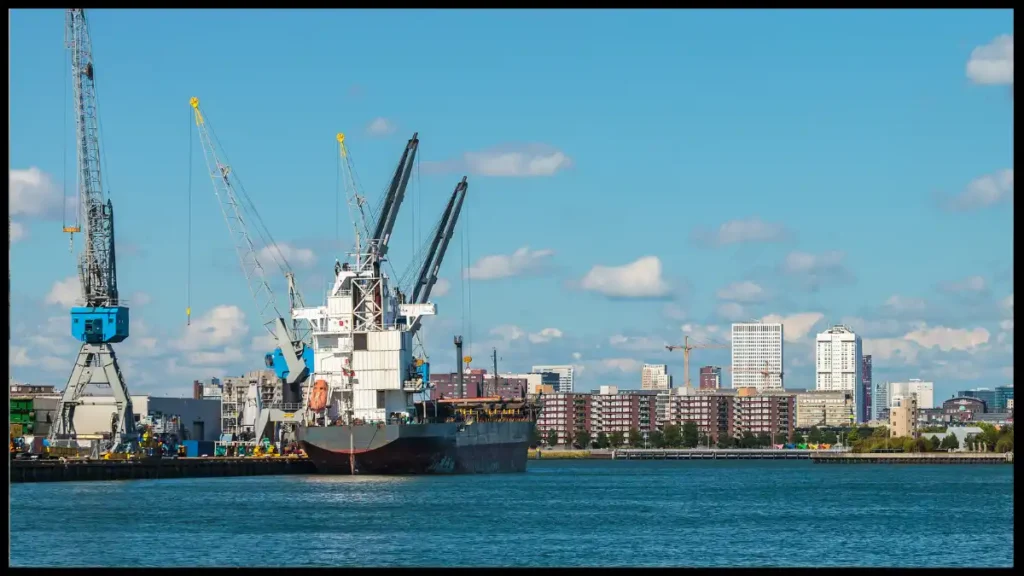
Container work at Rotterdam paused for a 48-hour lasher strike from Wednesday, October 8 at 15:15 through Friday, October 10 at 15:15, while nearby Antwerp-Bruges has been slowed by a multi-day harbour-pilot protest that cut daily vessel moves roughly in half. The twin disruptions mean idle ships, bunching at anchor, and diversions just as North Europe gateways work through recent weather backlogs. Expect rollover risk, extra port stays, and higher delay costs until normal staffing resumes.
Rotterdam & Antwerp-Bruges Strikes - Industry Impact
Story
Impact
Business Mechanics
Bottom-Line Effect
Rotterdam lasher strike, 48 hours (Oct 8, 15:15 to Oct 10, 15:15)
Loading and discharge paused where lashing teams are required; ships queue and ETAs slide.
Lashers from ILS and Matrans stop work, so container moves halt even if cranes and yard are ready.
📉 Extra port time, tug and pilot charges on extended stays; 📈 demurrage/detention risk for cargo owners.
Antwerp-Bruges harbour-pilot protest, fourth day
Daily vessels handled dropped to about half of normal, with delays and diversions reported.
Work-to-rule slows boarding and movements, affecting Antwerp and Zeebrugge entries and sailings.
📉 Idle time and fuel burn increase; 📈 cascading delays for feeders and barge/rail links inland.
Sailings into North Europe will feel the ripple effects beyond the strike window. With Rotterdam’s lifts paused and Antwerp-Bruges moving at half-tempo, vessels have stacked up, equipment is out of position, and inland slots are tight, conditions that typically take at least a week to unwind even after labor returns. Expect staggered berth plans, feeder re-cuts, and elevated dwell for reefer and time-critical boxes as terminals work through the queue.
The immediate hit is time and money, idle ships, extra port costs, and missed delivery windows, while the medium-term risk is a patch of softer schedule reliability just as peak season allocations shuffle. If pilotage cadence and lashing teams normalize on time, recovery should be orderly; any extension would push carriers toward more diversions and premium space sales, shifting costs down the chain into late-October arrivals.