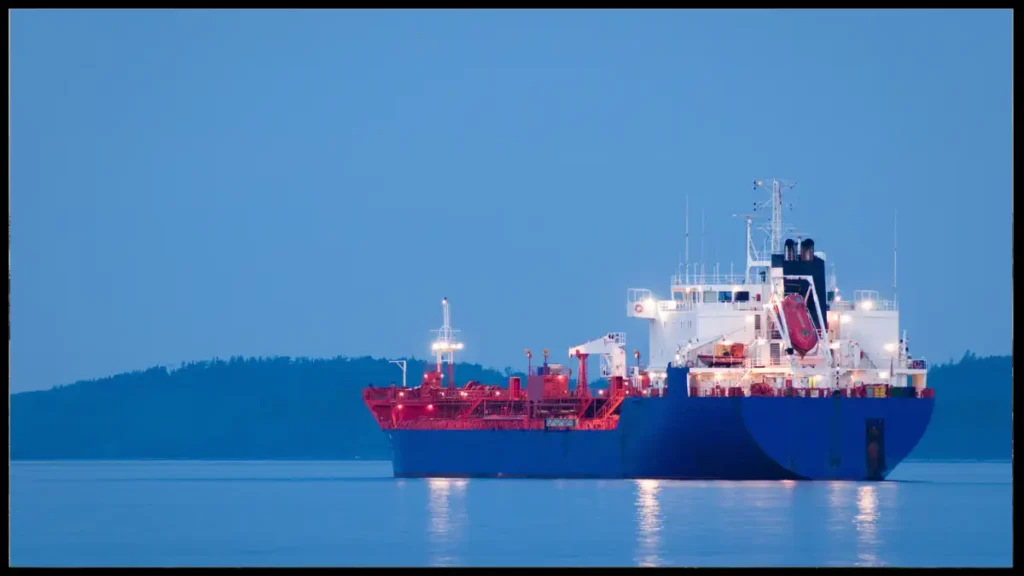
Freight for hauling Russian barrels to India has jumped into early October as more crude moves seaborne from Baltic and Black Sea ports. Unplanned refinery outages and wartime disruptions inside Russia are pushing crude exports up, stretching available tonnage and lengthening voyages. The result: firmer Aframax/Suezmax trip economics, shifting chartering patterns, and higher delivered costs for Indian buyers even as discounts to Brent ebb and flow
Heads-up: Freight levels, routing, and security conditions on the Russia→India crude lanes change quickly. Before relying on any figures or qualitative tones here, confirm current fixtures and indications with your brokers, check canal/convoy notices (Bosphorus, Suez), review insurer/P&I advisories, and verify port/terminal updates, especially as Baltic winter constraints and Red Sea posture evolve.
Russia→India Tanker Freight: Industry P&L Impact
Story
Impact
Business Mechanics
Bottom-Line Effect
Voyage costs step higher
Aframax Baltic→India quotes around the high-$6M to ~$7M per trip; Suezmax Black Sea→India ~low-to-mid-$6Ms.
Higher seaborne liftings from Primorsk/Ust-Luga/Novorossiysk tighten available tonnage on preferred classes.
↔ Volumes persist; 📈 support for tanker earnings remains in place.
Terminal strain & scheduling friction
High berth utilization at Baltic/Black Sea load ports and Indian receivers.
Weather windows and paperwork checks add variability to laytimes and demurrage.
📉 Higher opex from waiting time; 📈 periodic demurrage revenue.
Outlook: firm while exports stay elevated
Freight stays supported if crude exports remain near recent highs and enforcement tightens.
Watch refinery repair progress in Russia, terminal throughput limits, sanctions actions, and India run plans.
📈 Owner earnings bias positive; ↔ swift shifts possible if exports ebb or alternative barrels emerge.
Notes: Summary reflects early-October market indications of freight levels, export routing, and chartering behavior on Russia→India lanes. Effects vary by ship class, charter terms, and port conditions.
📈 Winners
📉 Losers
Crude tanker owners on Russia→India lanes: longer voyages and active liftings push up trip earnings.
Modern Aframax & Suezmax fleets: lower fuel burn and better reliability convert higher gross rates into stronger TCEs.
Owners with transparent KYC & sanctions compliance: “clean” documentation secures employment while opaque units face delays.
Export terminals with berth capacity (Baltic/Black Sea): steady throughput and occasional demurrage uplift in tight windows.
Opaque/shadow-fleet operators: heightened screening and financing frictions reduce utilization and add idle time.
Ports with limited receiver capacity: berth queues and paperwork holds translate into extra opex and claims.
Cargo buyers with strict delivery windows: greater risk of penalties, rescheduling, and demurrage when schedules slip.
Older, fuel-hungry ships: higher bunker consumption erodes net returns versus modern peers on long legs.
Alternative buyers competing for Russian barrels: delivered prices rise as freight tightens and differentials fluctuate.
Tonne-days at a glance
A composite signal of cargo volume × time on the water. Longer hauls and steady liftings push tonne-days higher, tightening effective supply and supporting freight.
Utilization signal:
= Moderate
= Firm
= Tight
Class Tonne-Day Gauge — Russia → India (Early Oct)
Class
Utilization signal
Why elevated now
What could cool it
P&L read-through
Aframax
Tight
Baltic liftings to West India, parcel sizes matching refinery intake; seasonal lead-up to Baltic ice increases routing sensitivity; prompt tonnage absorbed by longer legs.
A reduction in Baltic export programs; substitution to Suezmax where drafts/berths allow; faster turnarounds at load/discharge.
Owner TCEs resilient; charterers face higher voyage quotes and tighter laycan windows.
Suezmax
Firm
Active Black Sea programs to West India; Suez routing adds days; occasional Aframax substitution boosts pull when parceling is efficient.
Softer Black Sea exports; smoother Suez convoy timing; diversion of units to higher-paying Atlantic/Med opportunities.
Earnings supported; fixture competition rises around convoy windows and preferred receivers.
VLCC
Moderate
Selective employment via consolidations/blends where feasible; less frequent than Afra/Suez on this bridge but gains if cargoes pool.
Lower incentive to pool parcels; improved alternatives on MEG–East or Atlantic rounds pull VLCCs away.
Net benefit is secondary to Afra/Suez; upside if larger stems emerge or alternative lanes soften.
More crude on the water vs productsSuez timing and Red Sea posture matterBaltic winter constraints approach
The Russia→India crude bridge remains one of the tightest long-haul crude plays this month. Higher tonne-days and selective screening have strengthened earnings for modern Aframax and Suezmax tonnage, while Indian refiners face rising delivered costs when freight outpaces discounts. Keep an eye on Baltic winter conditions and any changes to export programs—either could jolt rates and availability quickly.