Subscribe to the Ship Universe Weekly Newsletter
From new U.S. port-entry fees for China-linked vessels to a fresh spike in Gulf GNSS interference, recent developments directly change voyage math, routing choices, and fuel strategies. Tanker earnings stay underpinned by longer Russian crude flows, 2025 goods demand looks sturdier on AI-related frontloading, and LNG bunkering consolidates, while new orders and extensions shift medium-term supply. Here’s what happened and how it hits the bottom line.
Top Developments Impacting Maritime P&L - 10/8/2025
Story
Impact
Business Mechanics
Bottom-Line Effect
U.S. port fees on China-linked ships (CBP guidance, Oct 14 start)
Direct per-call cost on qualifying vessels; operator responsible for determination and pre-arrival payment.
Annex checks (ownership/operation/build), payment workflows, tariff surcharges, and potential hull reassignment on U.S. loops.
📉 Voyage cost and admin spend up on exposed rotations; 📈 relative advantage for exempt fleets; possible schedule friction if proofs lag.
Major GNSS interference reported in Gulf region
Navigation anomalies elevate operational risk and slow movements on energy corridors.
Standby postures, daytime transits where advised, additional pilotage/VTS coordination, insurance notifications.
📉 Opex and delay risk rise; 📈 demurrage exposure increases until signals normalize.
Tanker rates for Russian crude to India climb
Longer voyages and active export programs support trip earnings on key sizes.
Ton-mile demand expands; charterers weigh route and insurance costs; fleet utilization tightens.
📈 Revenue tailwind for crude owners on these lanes; 📉 higher transport cost for buyers.
More Russian crude pushed to sea after refinery disruptions
Lower domestic refining → higher crude exports, sustaining tanker employment.
Cargo availability rises on long-haul routes; compliance and cover checks intensify.
📈 Supportive for crude tanker utilization; ↔ added diligence costs for counterparties.
AI goods & frontloading buoy 2025 global trade outlook (WTO)
Upbeat demand for semis/servers and pre-tariff stocking aid Asia–US/Europe volumes.
Higher TEU flows on tech supply chains; carriers align capacity and premium products to hot lanes.
📈 Volume support for liners/terminals in 2025; ↔ depends on tariff headwinds later.
Molgas takes full control of Titan Clean Fuels (EU LNG bunkering)
Scaled, integrated LNG/bio-LNG supply platform across key European ports.
Portfolio pricing and logistics synergies; broader grade availability and delivery windows.
📈 Reliability improves for LNG users; ↔ some pricing power shifts to supplier in tight spots.
Minervagracht crew member dies after Gulf of Aden attack
Confirms persistent security risk on Red Sea/Gulf of Aden routes.
War-risk premiums, convoy/avoidance policies, potential Cape diversions for some services.
📉 Insurance and routing costs elevated; 📈 longer voyages can marginally support earnings.
HMM tied to ~US$2.2B in 14k-TEU dual-fuel boxship orders
Adds mid-size, efficient capacity for delivery in the medium term.
Yard slots secured; future unit costs improve; compliance headroom expands.
↔ Near-term neutral; 📉 potential rate pressure if supply outpaces demand on delivery.
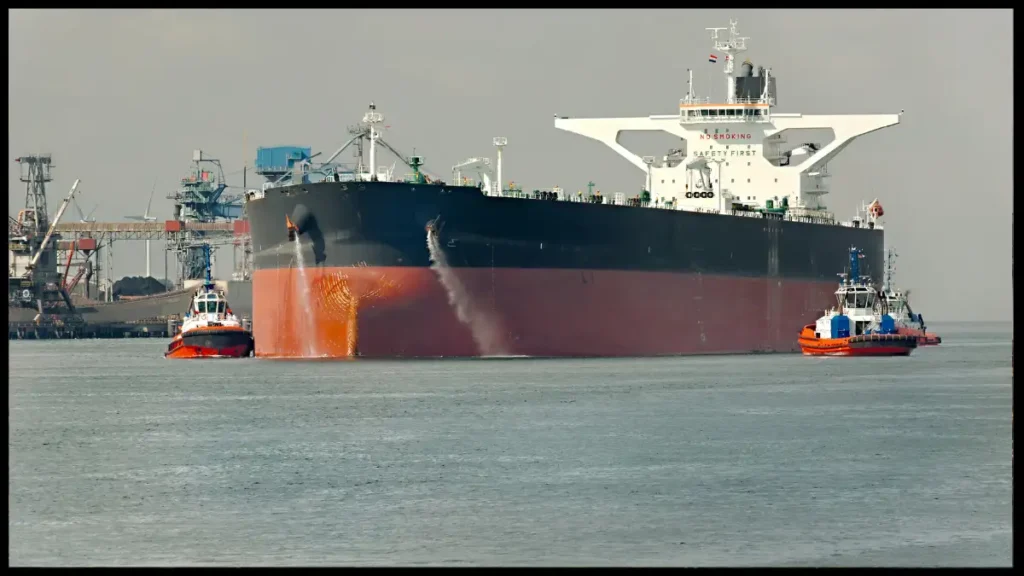
Dynacom snaps up four VLCC resales (China build)
Fleet scale rises; delivery timing shapes long-haul crude supply balance.
Chartering leverage improves; exposure to future fee/compliance regimes depends on deployment.
📈 Earnings leverage in firm markets; 📉 cycle risk if many VLCCs deliver together.
Commonwealth LNG seeks four-year construction/operation extension
Pushes out U.S. LNG export capacity timing from this project.
Later FID/financing milestones defer LNGC employment tied to this plant.
📉 Slower addition of US-sourced LNG cargoes; ↔ neutral for current LNG spot balance.
Notes: Summaries reflect publicly reported developments. Effects vary by lane mix, contract cover, fleet profile, and financing.
📈 Winners
📉 Losers
Operators with exempt fleets on U.S. legs: cost advantage where ownership/operation/build are outside Annex exposure.Data-rich agents, advisors, and registries: increased demand for verification of owner/operator/build and payment workflows.Crude tanker owners on Russia→India routes: firmer trip earnings from longer hauls and active export programs.Box carriers with premium products and secured allocations: higher uptake as blank sailings and risk events raise rollover anxiety.European LNG bunkering suppliers (Molgas + Titan): consolidated footprint improves availability and pricing leverage.Korean shipyards and dual-fuel tech vendors: newbuild programs (e.g., 14k-TEU class) sustain orderbooks and equipment sales.Dynacom and similar scale builders in crude: fleet growth boosts chartering options if market firmness persists.Terminals on AI/tech-heavy trade corridors: potential 2025 volume uplift from frontloading and electronics flows.
Chinese-owned/operated or Chinese-built vessels on U.S. calls: recurring per-call fees and tighter documentation demands.Time-charterers without clear pass-through clauses: exposure to unbudgeted U.S. fee payments and disputes.Services transiting Red Sea/Gulf of Aden without robust cover: higher war-risk premiums, diversions, and delay costs.Voyages affected by GNSS interference in the Gulf: standby and pilotage constraints elevate opex and demurrage risk.Shippers reliant on spot capacity: surcharge exposure and premium buys to secure space during cancellations or reroutes.Incumbent liner capacity post-delivery wave: medium-term rate pressure risk if new orders outpace demand.LNG shipping tied to delayed U.S. export projects: slower cargo additions reduce near-term employment growth.Procurement tied to Chinese yard deliveries for U.S. strings: long-tail fee liabilities reduce competitiveness on those rotations.
This Week by the Numbers
Oct 14, 2025 US fee start for China-linked ships ~35% Share of key-segment ships potentially in scope (bulk/tankers/boxes) 4 VLCC Dynacom resale additions (China build) US$2.2B Reported HMM orderbook value (12 × 14k-TEU, dual-fuel)
Market Pulse
• US fee regime: operator-liability model and pre-arrival payment affirmed; tariff surcharges likely on exposed loops.
• GNSS disruption (Gulf): navigation anomalies flagged; insurers watching routing and delay patterns.
• Tanker tone: Russia→India haul supports crude earnings; more Russian barrels moving seaborne.
• Trade outlook 2025: AI hardware and frontloading buoy Asia-linked box volumes.
• LNG bunkering: Molgas–Titan tie-up expands EU supply footprint for LNG/bio-LNG users.
Fee Exposure Snapshot (US Calls)
Fleet Profile
Exposure
Commercial Angle
Non-Chinese build & ownership
Low
Relative cost edge on US legs
Chinese-built, non-Chinese operated
Medium
Annex II exposure; pricing/assignment decisions
Chinese-owned/operated
High
Annex I exposure; fee recovery and routing choices
Tanker Tape — Russia Seaborne Dynamics
Lane
Signal
P&L Angle
Baltic/Black Sea → India
Freight firmer on active programs
Owner earnings ↑; buyer transport costs ↑
Russia crude (aggregate)
More barrels shipped seaborne
Utilization support; ton-mile demand ↑
Orderbook Glance
Headline
Scale
Implication
HMM 12 × 14k-TEU dual-fuel containerships
~US$2.2B
Future efficient capacity; possible mid-cycle price pressure
Dynacom VLCC resales (4 units)
306k dwt class
Crude lift capacity rises; earnings leverage if demand holds
LNG Bunkering — Europe Consolidation Notes
Molgas–Titan platform scale ↑
Bio-LNG availability widens
More flexible delivery windows
Supplier pricing power pockets
Risk Radar — Current Signals
GNSS interference (Gulf)
Advisories note elevated interference; schedules and insurance under closer scrutiny
Red Sea / Gulf of Aden
Security incidents keep war-risk premia and diversion options in play
Fees on China-linked vessels, navigation anomalies in the Gulf, and shifting Russian crude flows are the near-term cash and routing stories; LNG bunkering consolidation and new orders set the medium-term tone. The mix points to firmer earnings where ton-miles rise and relative cost edges matter, with pressure concentrated on exposed US rotations and risk-prone corridors.
We welcome your feedback, suggestions, corrections, and ideas for enhancements.
Please click here to get in touch .