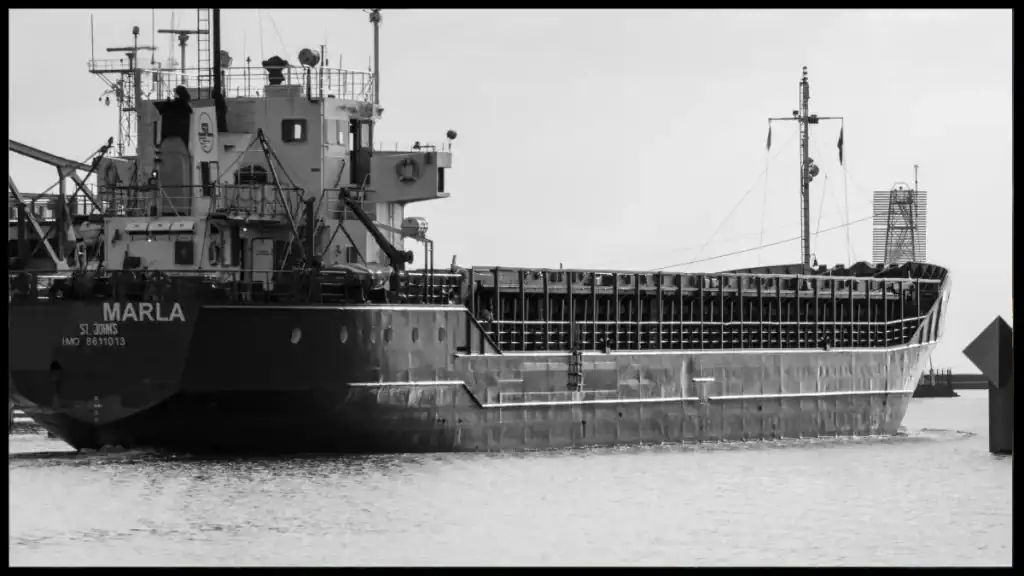
Carriers are yanking voyages to stop the slide in spot rates, concentrating cuts on Asia–US and Asia–Europe loops just as Q4 orders move. The result is tighter effective capacity, more rollovers and skipped calls, and a fresh round of premium surcharges to guarantee space. Ports see alternating slack-and-surge windows, equipment gets stranded in the wrong places, and importers pay through buffer stock, expedited moves, or missed shelf dates even as lines claw back yield.
Blank Sailings Surge — Industry P&L Impact
Story
Impact
Business Mechanics
Bottom-Line Effect
Scale and timing
October cancellations are on track to match or exceed early-pandemic levels on US-linked lanes.
Consultancies and trackers show a rising share of canceled voyages in weeks 41–45, with Transpacific bearing the brunt.
📈 Rate support for carriers near term; 📉 elevated cost and planning friction for shippers.
Where it hits hardest
Asia to US West and East Coasts, plus Asia–Europe corridors see the bulk of blanks.
Capacity withdrawals skew to Transpacific eastbound, followed by Asia–Europe and Transatlantic.
📉 Higher landed costs and buffer inventory for US and EU importers; port throughput volatility.
Carrier rationale
Protect yields after a prolonged rate slide and weaker US demand following tariff front-loading.
Yield management via voyage cancellations, slow steaming, and service suspensions on marginal loops.
📈 Stabilizes revenue per TEU; ↔ network complexity and equipment re-position costs increase.
Spot and contract leverage
Blanking tightens effective capacity into tender season, slowing the slide in spot benchmarks.
BCOs face rollover risk and premium surcharges to secure loadings when strings are pulled.
📉 Shipper costs rise on premiums and mode shifts; 📈 carriers defend margin on targeted trades.
Schedule reliability and dwell
Skipped calls, bunching, and revised proformas reduce reliability and complicate drayage.
Feeder connections slip; extra yard dwell and rehandles at transshipment hubs.
📉 More detention, demurrage, and overtime; inventory safety stock uplift.
Ports and terminals
Alternating slack and surge windows stress labor and yard planning.
Call cancellations followed by bunching compress crane windows and truck turn times.
↔ Mixed: some revenue loss on skipped calls; later overtime and congestion fees recoup part of it.
Equipment flow
Box imbalances worsen on affected strings; empties pile in non-optimal locations.
Reposition programs and extra loader voyages where economics allow.
📉 Added costs for drays and repositioning; potential chassis pressure inland.
Rates backdrop
Benchmarks fell to 2025 lows into early October; blanks aim to firm levels.
Indices show multi-week declines, with carriers countering via capacity cuts.
Imbalances worsen when strings are pulled and returns lag.
Chassis
Pressure where bunching hits
Turn times lengthen around surge windows.
Reposition
Ad hoc loaders
Where economics allow, extra sailings move boxes back to demand centers.
Port Surge Calendar (illustrative)
Cluster
Early month
Mid month
Late month
US West gateways
Slack window
Bunching risk
Bunching risk
US East gateways
Moderate
Bunching risk
Moderate
North Europe hubs
Moderate
Moderate–High
Moderate
Contract Leverage Signals
Signal
What it implies
Who it favors
Rising premium uptake
Space scarcity on targeted weeks
Carriers
Higher rollover ratio
Spot buyers face uncertainty
Carriers
Stable chassis turns
Bunching being absorbed locally
Shippers
Pulling sailings is the fastest lever carriers have to put a floor under rates, and it is being used aggressively on Transpacific and Asia–Europe corridors. The pattern produces alternating slack and surge at ports, pushes more cargo into premium products, and strands equipment in the wrong places. If demand does not improve, expect cancellations to persist through the next scheduling cycle, with importers paying in premiums, dwell, and buffer inventory while lines protect yield.