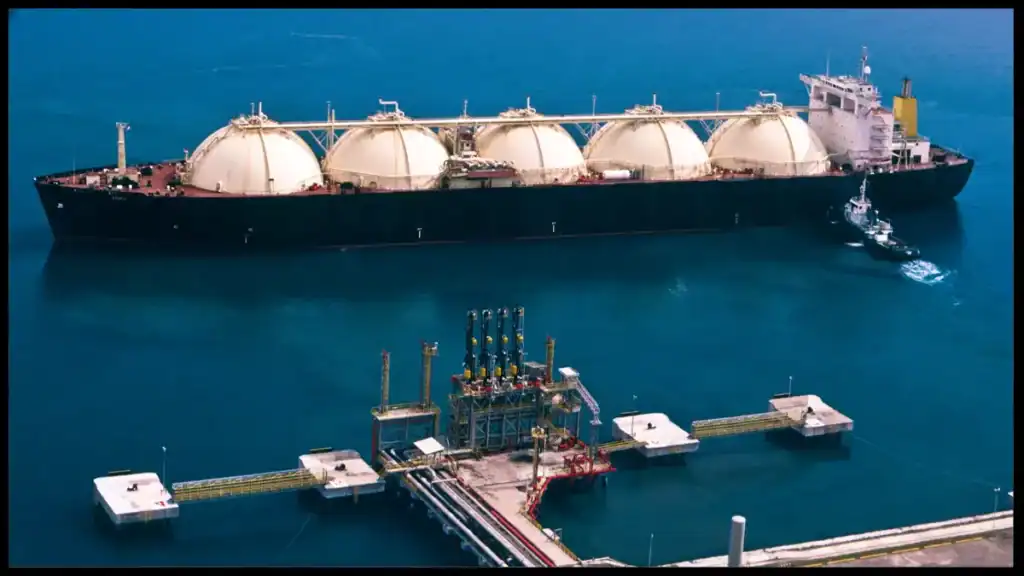
U.S. liquefied natural gas exports set a fresh monthly record in September at about 9.4 million metric tons, edging past August’s previous high of 9.33 million tons, according to preliminary LSEG data reported by multiple outlets. Europe remained the top destination with roughly two thirds of volumes, while Asia’s share rose modestly. The U.S. now leads global LNG exports, supported by a fully utilized fleet of large-scale terminals and steady feedgas receipts heading into winter.
U.S. LNG Record Exports — Industry P&L Impact
Story
What Happened and Who is Affected
Business Mechanics
Bottom Line Effect
Second consecutive monthly record
September exports reached about 9.4 million tons, surpassing August’s 9.33 million tons. Europe took the largest share, with Asia receiving a growing portion of liftings.
High utilization across U.S. export plants and steady feedgas flows into the Gulf Coast terminals sustain throughput.
📈 Supportive for LNG carrier utilization and short term hire rates. 📈 Revenue visibility for U.S. exporters and tollers.
Terminal footprint
Nine large-scale and three small-scale U.S. LNG export facilities are in operation, with additional capacity in build or commissioning.
More trains increase baseload volumes and scheduling opportunities for shipowners.
📈 Medium term tailwind as new capacity ramps and portfolio sellers secure liftings.
European storage and demand
EU storage levels entered autumn at high fill percentages, with analysts watching end-October levels. Weather and industrial pull will steer winter import needs.
Inventory buffers reduce price spikes but sustained cold snaps can quickly tighten balances and raise prompt cargo demand.
↔ Baseline liftings remain solid. 📈 Upside risk for winter spot employment if weather turns colder.
Short term European terminal constraints
French strikes triggered temporary force majeure at Dunkirk and impacted Elengy sites, trimming send-out for several days.
Brief berth congestion and schedule reshuffles can alter laycans and demurrage outcomes.
↔ Mostly transitory. 📉 Minor scheduling friction for vessels calling affected terminals.
Marine LNG demand trend
LNG as a marine fuel is projected to at least double by 2030 as regulations tighten and supply expands from the U.S. and Qatar.
Increases bunkering volumes and supports long-term offtake from U.S. projects as infrastructure deepens.
📈 Positive structural demand signal for LNG ecosystem participants.
Asia pull
Asian receipts from the U.S. grew month on month in September, adding destination diversity to the record export month.
Longer voyages increase ton-miles and tighten prompt ship supply if the trend persists.
📈 TCE uplift potential for long-haul fixtures into North Asia.
Market outlook
Global project pipeline points to large new volumes between 2025 and 2030, with demand and pricing shaping utilization cycles.
Portfolio sellers and traders balance term and spot to manage basis risk across basins.
Data points sourced from LSEG-based reporting on September 2025 exports, U.S. DOE overview of operating LNG facilities, European storage outlooks, and near-term terminal updates.
📈 Winners
📉 Losers
LNG carrier owners on spot and short time charters: high liftings keep utilization tight and support hire rates.
Modern X-DF and ME-GI fleets: lower fuel burn and boil-off translate into better earnings on long Atlantic to Asia hauls.
U.S. portfolio sellers and tollers: steady plant throughput improves cash flow visibility and shipping program leverage.
U.S. Gulf LNG export hubs: strong berth use and pilotage demand support port revenues and service providers.
Traders with optionality: more cargoes enable arbitrage between Atlantic and Pacific basins.
Owners with open coverage into winter: rising Asian pull can lengthen voyages and lift TCEs.
Older steam turbine LNG carriers: higher fuel and heel loss make them less competitive on marginal fixtures.
Buyers reliant on prompt spot cargoes: tighter ship supply and longer voyages raise delivered costs and timing risk.
Terminals facing labor or technical outages: disruptions create queueing, demurrage exposure, and rescheduling penalties.
Charterers with thin shipping cover: may pay up for last-minute tonnage during weather events or cold snaps.
Short-haul Atlantic employment: if Asia pull increases, tonnage shifts away and reduces availability for regional moves.
Owners with maintenance downtime: lost days during peak liftings reduce capture of seasonal strength.
Where September Cargoes Landed
Europe remained the primary sink with a firm share, while Asia picked up additional liftings compared with mid-summer.
EuropeAsia and others
Europe: baseload receipts into Northwest Europe and Iberia
Asia: steady pull from Japan, Korea, and China when spreads justify
Voyage Length and Ton-Miles
Incremental Asia-bound liftings lengthen average voyages from the U.S. Gulf, tightening prompt ship supply.
US Gulf to NW Europe: shorter rotation, faster vessel turnarounds
US Gulf to North Asia via Suez or Cape: materially longer legs and higher ton-miles
More long-haul fixtures can raise time charter equivalents across modern fleets
Fleet Technology Mix
X-DF
Growing
Efficient, lower boil-off
ME-GI
Stable
Good on long hauls
Steam
Declining
Higher fuel and heel loss
Modern propulsion captures more of the earnings uplift when Asia pulls volumes.
U.S. Export Plant Footprint
Major Gulf Coast hubs running at high utilization
Portfolio sellers blend term and spot liftings to manage basis risk
Incremental capacity under construction widens scheduling windows mid-decade
Throughput continuity supports steady vessel programs and pilotage demand.
Seasonal Triggers To Watch
Early winter cold snaps in Europe or North Asia
Short-lived maintenance or labor outages at receiving terminals
Canal and weather-related speed restrictions on long-haul routes
Any combination can tighten prompt ship availability and lift spot earnings.
Contracting and Rates Context
Two strong export months support short time-charter demand into winter
Owners with modern tonnage see better economics on long-haul deals
Steam units tend to trail or face idle periods during efficiency-sensitive windows
Two record months in a row strengthen the near term earnings picture for LNG carriers and keep utilization tight into winter. The combination of high European inventory, incremental Asian pull, and a broad U.S. export footprint means voyage mix may lean longer while spot availability stays thin at times. Temporary terminal disruptions and weather will steer weekly volatility, but the structural backdrop for U.S. LNG liftings remains firm as additional global capacity approaches mid-decade.