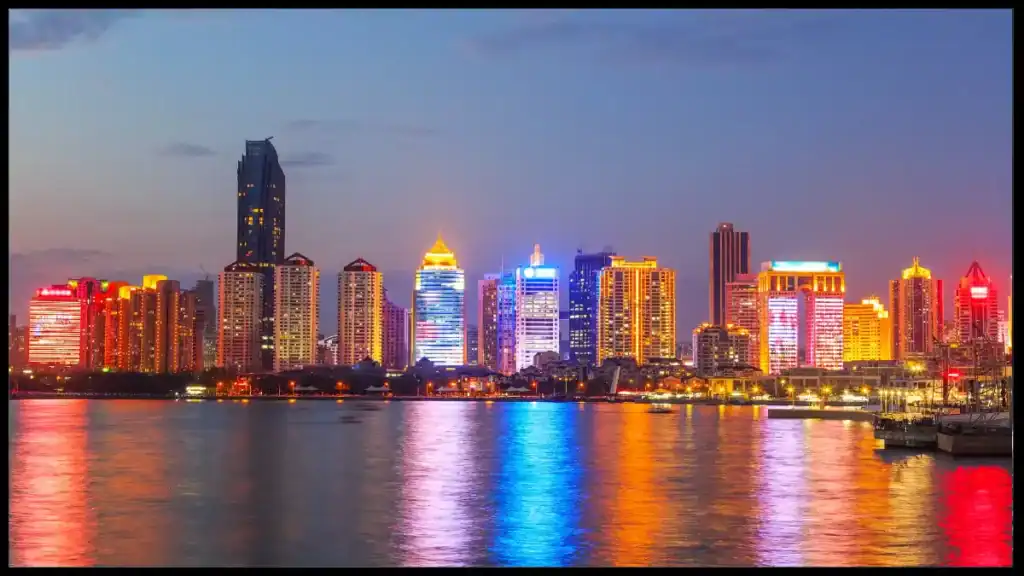
Terminal operators at Qingdao’s Huangdao oil port have issued rules effective November 1, 2025 that bar tankers aged 31 years or more, vessels with altered or fake IMO identities, and ships with invalid certifications. A risk-scoring system will screen arrivals, with low-scoring vessels refused berthing. The measures target high-risk, sanctions-exposed tonnage frequenting Chinese crude trades, though the overall supply effect depends on how quickly compliant ships replace sidelined units.
Qingdao (Huangdao) Shadow-Fleet Restrictions - P&L Industry Impact
Story
What Happened and Who is Affected
Business Mechanics
Bottom Line Effect
New berthing rules
From Nov 1, terminals at Huangdao will refuse tankers ≥31 years old, ships with altered/fake IMO identities, or vessels lacking valid class/insurance documentation. A risk score screens arrivals; low scores are denied.
Targets high-risk tonnage tied to sanctioned flows. Enforcement sits with four operators inside the broader Qingdao hub.
📉 Reduced access for aging/shadow units; 📈 relative advantage for transparent, younger fleets.
Trade flows & sourcing
Qingdao is a major crude gateway, including inflows linked by traders to Iranian/Russian grades. Restrictions may reroute some cargoes toward compliant tonnage or alternative terminals.
Shifts in chartering toward vetted owners; possible STS and port substitution if non-compliant units are screened out.
↔/📈 Tonne-mile and wait-time noise near term; pricing premia for compliant liftings on sensitive grades.
Tanker segments affected
Older Aframax/Suezmax units common in sanctions trades face the tightest squeeze. Modern VLCCs and younger midsize ships gain relative access.
Effective capacity trims occur if shadow units cannot substitute elsewhere quickly.
📈 Supportive for earnings of compliant owners; 📉 idle time and repositioning cost risk for sidelined ships.
Compliance and cover
Documentation (class validity, P&I/war-risk, AIS integrity) receives higher scrutiny. Vessels with gaps face a one-year bar from berthing.
Banks/insurers gain leverage to demand cleaner chains; operators tighten KYC on fixtures into Qingdao area.
📈 Pricing power for compliant finance/insurance; 📉 higher admin and delay risk for opaque structures.
Port operations
Terminals adopt a scoring system considering age, classification, and pollution liability insurance to determine acceptance.
Pre-berth vetting and nomination checks lengthen lead times; berth programs reshuffle away from high-risk calls.
↔ Throughput resilient if compliant tonnage fills the gap; localized scheduling friction during transition.
Context & limits
Analysts note Huangdao handles only a portion of high-risk calls; system-wide impact hinges on whether other Chinese hubs mirror the policy.
If replicated at peer terminals, effective shadow-fleet liquidity falls more broadly.
↔ Localized at first; 📈 broader rate support if rules spread across major import hubs.
Note: Compiled from port notices and industry reporting.
📈 Winners
📉 Losers
Compliant VLCC/Suezmax/Aframax owners: younger, well-documented fleets gain priority access and pricing power on sensitive Chinese import grades.
Banks, P&I, and war-risk underwriters with strong KYC: higher demand for clean cover and attestations widens service moat.
Chinese terminals with robust vetting systems: operational credibility improves; preferred by majors and top-tier traders.
STS service providers at compliant anchorages: buffering for rerouted or re-assigned liftings lifts utilization.
Scrap/recycling yards (older tankers): accelerated exit of 30+ year units supports demolition volumes.
Oil majors and traders with transparent chains: smoother nominations and faster berth approvals reduce delay risk.
Aging/shadow-linked tankers: 31+ year vessels and ships with identity/documentation gaps face refusal and idle-time costs.
Intermediaries using opaque ownership structures: intensified screening raises financing and insurance friction.
Ports without similar controls: risk of becoming spillover destinations with higher compliance burden and liability.
Traders reliant on gray-fleet liftings: reduced vessel pool raises freight and counterparty risks on some streams.
Repair yards serving very old tonnage: fewer life-extension projects if retirements accelerate.
Low-tier insurers/brokers: clients migrate to providers able to clear stricter Chinese vetting.
Qingdao’s clampdown is less about headline politics and more about who gets to lift barrels into China. By screening out the oldest and least transparent tankers, the port shifts bargaining power toward compliant owners and their financiers, adds time and paperwork for opaque counterparties, and nudges some trades to re-route or re-flag. If other Chinese hubs echo these rules, effective supply from the gray fleet may thin, supporting earnings for younger mainstream tonnage and accelerating retirements at the fringes. If the policy stays localized, we could expect short-lived scheduling friction and modest freight premia on sensitive grades rather than a structural rate reset.