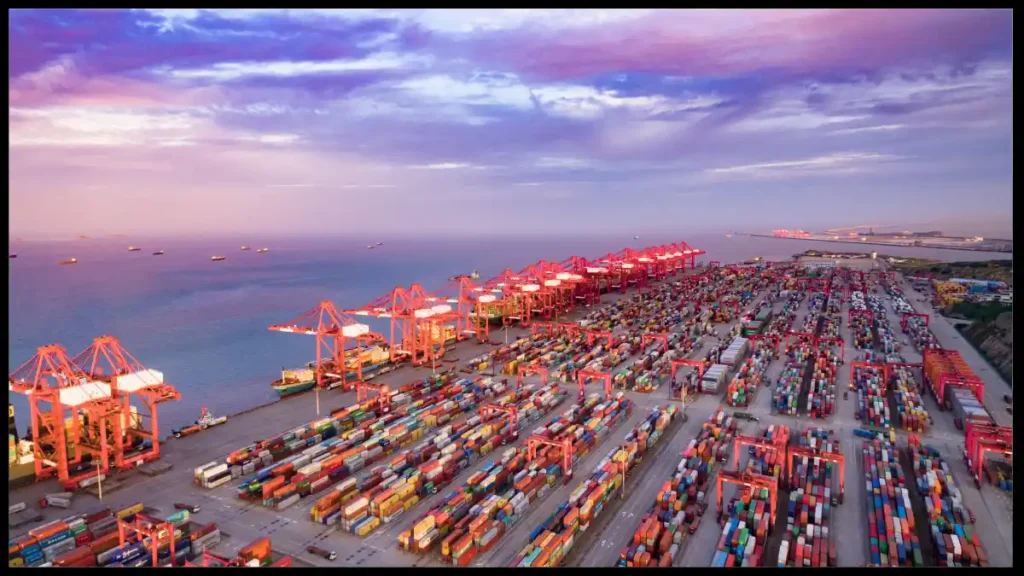
China’s run of heavy bauxite buying is lengthening voyages from West Africa and Southeast Asia, pulling more kamsarmaxes and capesizes into multi-week round trips. The effect shows up quickly in utilization, ballast patterns, and port queues, with knock-ons for bunker spend, laytime, and congestion exposure.
Top Developments Impacting Maritime P&L — China’s Bauxite Inflows
Item
What Happened & Who’s Affected
Business Mechanics
Bottom-Line Effect
Long-haul pull intensifies
Chinese alumina/aluminum supply chains are drawing more cargo from West Africa and SEA, lifting seaborne bauxite volumes and average haul lengths. Owners, miners, and traders are most exposed.
More tonne-miles absorb open tonnage; ballast repositioning shortens as ships roll from one bauxite leg to the next.
📈 Utilization and rate support for kamsarmax/capesize; 📉 higher voyage costs if bunker prices firm.
Kamsarmax & cape mix shifts
Cargo programs increasingly fit kamsarmax parcels ex-Guinea/SEA, with capesizes deployed where berth drafts and loader rates allow.
Parcel size and loader constraints determine class choice; faster loaders favor larger ships.
📈 Higher TCEs where stems cluster; 📉 idle risk falls as more sizes can work the trade.
Port cadence and queues
Export hubs face weather and barge/stockpile limits; Chinese receivers juggle berth windows and yard capacity.
Laycan buffers grow; demurrage exposure rises during weather seasons and peak arrivals.
📈 Demurrage income potential for owners; 📉 working capital drag for cargo interests.
Scheduling and backhauls
Owners seek iron ore/coal backhauls to improve round-voyage economics; traders align arrival windows to avoid pileups.
Better triangulation reduces ballast; tighter ETA discipline cuts idle time.
📈 TCE uplift via triangulation; 📉 penalties risk if arrivals miss receivers’ gates.
Quality and moisture specs
Cargo specs (moisture/reactive silica) influence sourcing; some parcels require covered stockpiles and faster loading to manage moisture.
Handling rules and trimming add time; weather windows drive loader productivity.
📉 Opex and time rise on sensitive parcels; 📈 premiums for reliable loader performance.
Insurance and risk overlays
Export corridors with political/logistics risk require tighter P&I and war-risk assessments; receivers maintain stricter vetting.
Additional screenings and routing buffers built into voyage plans.
📉 Slight premium on insurance and admin; ↔ offset by stronger earnings when demand stays firm.
Bunker and speed choices
Longer hauls raise bunker exposure; speed-for-schedule vs. fuel-saving decisions shift with berth certainty and market strength.
Owners throttle up into firm markets, slow steam when laytime or queues are unavoidable.
📈 Earnings optionality if timing is managed; 📉 margin squeeze if fuel spikes coincide with delays.
Contracting and indexation
More term stems and index-linked COAs emerge where miners and refiners want stability.
Indexation shares market risk; COAs reduce fixture churn but cap upside in spikes.
📈 Cash flow visibility for owners; 📉 opportunity cost during sharp rallies.
Export/receiver upgrades
Investments in stackers, conveyors, and berth depth improve loader rates and draft windows at key nodes.
Faster turns reduce demurrage; larger parcels become feasible.
📈 Structural rate support via higher throughput; 📉 capex burden for terminals.
Note: Summary reflects widely reported increases in China-bound bauxite flows and observed voyage patterns ex-West Africa and Southeast Asia. Actual P&L impact varies by fleet mix, loader performance, and bunker prices.
📈 Winners
📉 Losers
Kamsarmax and capesize owners: longer West Africa and Southeast Asia legs lift utilisation and TCEs.
West African exporters and terminals: steady programs support berth occupancy and loader throughput.
Barge, lightering, and towage providers: more shuttle activity around draft-limited load areas drives revenue.
Owners with index-linked COAs: volume visibility with upside when spot strength feeds the index.
High-productivity discharge ports: faster receivers capture more stems as shippers prioritise reliable turn times.
Brokerages with bauxite stems: active fixing cycle increases placement and advisory fees.
Slow loader and yard operations: weather and stockpile constraints increase demurrage outlays.
Geared midsize bulkers on other trades: tonnage tightness shifts ships into bauxite runs and squeezes availability elsewhere.
Buyers on CIF with thin margins: freight inflation pushes landed cost above budget on sensitive alumina chains.
Owners during bunker spikes: long hauls magnify fuel exposure when prices rise faster than rates.
Congested discharge terminals: berth delays erode voyage economics and raise working capital needs.
Focus reflects currently elevated China-bound bauxite flows and observed routing, vessel class mix, and port productivity dynamics.
China’s heavier pull on bauxite is a textbook tonne-mile story: ships stay employed longer, ballast shrinks, and rate support shows up first in kamsarmax and cape prints. The uplift is strongest where loader productivity is high and discharge windows are predictable; it fades quickly when weather stalls stockpiles or bunker costs jump. For cargo interests, the trade-off is clear: dependable supply at a higher freight bill and tighter berth discipline. The next catalysts are seasonal weather in West Africa, any mining or export policy shifts, and fuel price direction, all of which can swing voyage economics as fast as the demand itself.