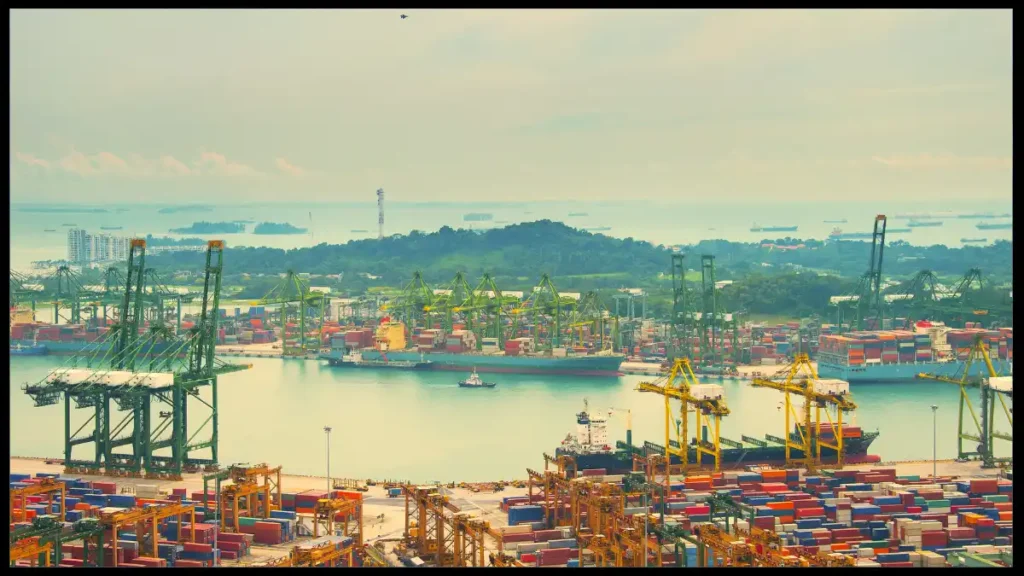
Global container handling capacity is projected to rise about 4.8% (≈64 million TEU) in 2025, the largest annual addition in absolute terms since the global financial crisis, driven by expansions and M&A among major terminal operators. The surge improves berth availability and schedule resilience, but in a lukewarm demand environment it can also pressure tariffs and asset returns, shifting bargaining power along the supply chain.
Container Capacity Wave: Maritime P&L Impact
Item
What Happened & Who’s Affected
Business Mechanics
Bottom-Line Effect
Record capacity addition
Global container handling capacity expected to grow ~4.8% (~64m TEU) in 2025, the largest annual increase since the GFC.
More berths/cranes/yard space reduce bottlenecks during peaks; higher fixed-cost base between peaks.
📈 Fewer delay costs for carriers/BCOs; 📉 tariff pressure where utilization lags.
GTO expansion & M&A
Leading global terminal operators expand footprints via brownfield upgrades and acquisitions.
Scale improves procurement and network connectivity; integration costs rise near term.
📈 Margin upside from scale synergies; 📉 short-term opex/capex drag during integration.
Throughput vs. utilization
Port volumes have recovered post-2024, but 2025 demand signals remain mixed by region.
If capacity outruns boxes, average utilization and ROCE soften until trade accelerates.
📉 Lower pricing power for terminals in soft corridors; ↔ resilience in growth hubs.
Liner network effects
Additional windows enable service redesigns and faster recovery from disruptions.
Reliability gains cut waiting time, fuel burn, and demurrage/detention exposures.
📈 Operating cost savings for carriers/BCOs; 📉 fewer congestion-related surcharges.
Regional divergence
East Asia leads efficiency tables; some U.S./EMEA ports lag amid labor and yard constraints.
Cargo gravitates to high-performance hubs; weaker ports risk share loss without upgrades.
📈 Volume/fee upside at efficient hubs; 📉 revenue headwinds for underperformers.
Inland & rail connectivity
Capacity gains hit limits without matched rail/road warehousing improvements.
Landside chokepoints transfer cost/idle time upstream to ships and boxes.
📉 Savings diluted where hinterland lags; 📈 intermodal operators benefit from upgrades.
Tariffs & contracts
More capacity increases tender competition in soft demand periods.
Terminals may trade price for volume/commitments; liners lock in better windows.
📉 Lower average handling tariffs where utilization is weak; 📈 stability for volume-committed customers.
Capex payback horizon
Wave of equipment and berth investments elongates payback if demand underperforms.
Higher depreciation and financing costs weigh on returns.
📉 ROCE compression in oversupplied markets; 📈 upside if trade rebounds faster than forecast.
Note: Overview reflects current industry forecasts on capacity additions and recent throughput trends; outcomes vary by region, utilization, and landside connectivity.
📈 Winners
📉 Losers
Efficient hub terminals: stronger volumes migrate to high-productivity ports with modern cranes, yard systems, and rail links.
Scale global operators: network breadth and procurement synergies lift margins and bargaining power in tenders.
Reliable liners & alliances: more berthing windows and shorter queues improve schedule integrity and fuel burn.
BCOs with volume commitments: capacity guarantees and window priority reduce dwell fees and stockout risk.
Intermodal & rail providers: higher quay throughput drives inland moves where corridors are upgraded.
Tech & automation vendors: brownfield expansions and retrofits spur demand for TOS, OCR, and yard automation.
Underperforming ports: lower utilization and weaker tariff leverage as cargo shifts to faster competitors.
Highly leveraged terminals: slower payback and tighter covenant headroom if volumes lag capacity.
Liners on thin lanes: added berth supply dilutes pricing power on low-demand corridors.
Truckers in congested gateways: landside bottlenecks erase quay gains, elevating idle time and opex.
Storage-dependent revenue: reduced yard dwell and fewer congestion surcharges trim ancillary income.
Late-cycle equipment buyers: softer rental/utilization for straddles, RTGs, and empties gear in oversupplied yards.
Focus reflects the projected step-up in global container handling capacity versus mixed regional demand and landside readiness.
The capacity surge is a double-edged blade: it lowers congestion risk and improves schedule integrity, but in soft demand it also dilutes utilization and tariff power at weaker ports. We’re seeing earnings resilience concentrate at efficient hubs, integrated operators, and liners that can lock in guaranteed windows and redesign services to capture fuel and dwell savings. The pain shows up where leverage is highest, late-cycle terminal capex, underperforming gateways, and thin lanes that can’t fill added berth hours. Near term, we’ll watch berth utilization ratios, tender pricing, and landside velocity; if inland networks don’t keep pace, much of the quay-side gain will leak away.