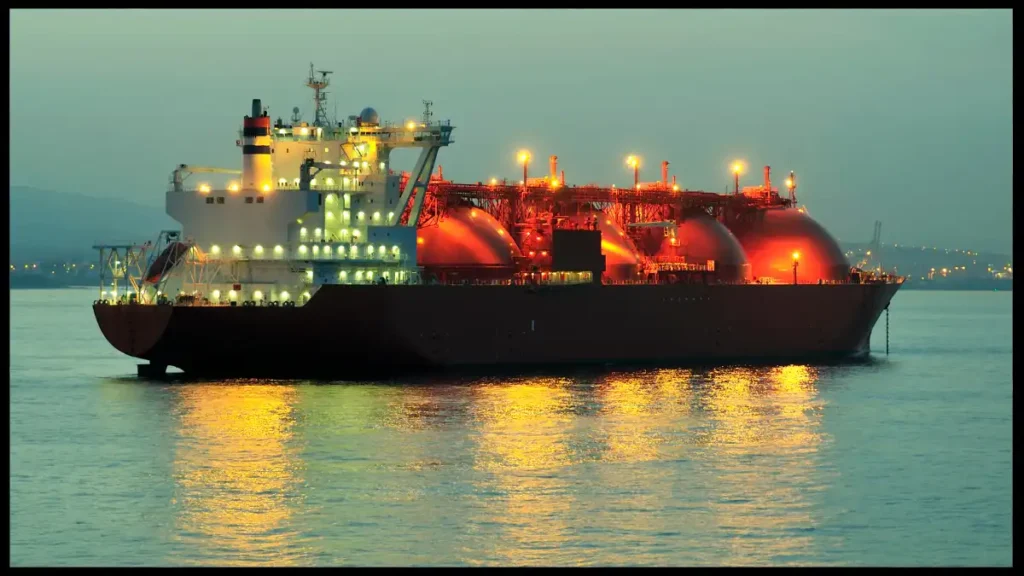
A fresh analysis presented during New York Climate Week flags about $48 billion of LNG carrier investments that could be impaired by 2035 if fleet growth keeps outpacing trade under climate-aligned demand paths. The warning lands as the LNGC orderbook sits at historically high levels (about 44% of the fleet by mid-2025), with heavy 2025-2026 deliveries and only gradual demand absorption expected. Short-term balances can still tighten on weather or project delays, but the structural signal for owners, lenders, and yards is clear: earnings and asset values get more volatile when capacity runs ahead of LNG supply growth.
LNGC Overbuild vs Demand — P&L Impact
Item
What Happened & Who’s Affected
Business Mechanics
Bottom-Line Effect
Stranded-risk headline
Research from UCL Energy Institute and Kuehne Climate Center estimates about $48B of LNGC investments could be written down by 2035 in a 1.5°C demand path.
Lower long-run utilization and weaker relet rates if fleet growth exceeds trade growth.
📉 Asset values and spot earnings at risk in softer cycles.
Orderbook scale
LNGC orderbook around 44% of fleet by mid-2025, with heavy deliveries slated through 2026.
Capacity arrives before all liquefaction ramps, creating timing gaps.
📉 Rate pressure when newbuilds outpace cargoes; refinancing risk for leveraged owners.
Trade vs tonnage growth
Analysts noted 2025 LNG trade growth near 6% while capacity up about 9% year on year.
Mismatch reduces bargaining power for owners on uncontracted days.
📉 Softer spot/short TC hires in shoulder periods.
Macro supply overhang
Global LNG could swing to oversupply from 2026 as new export capacity arrives, before demand fully adjusts.
Lower hub prices can add some demand but may not absorb all cargo quickly.
📉 Charterers gain leverage on freight unless arbitrage lengthens routes.
Fleet segmentation
Modern X-DF/MEGI units keep a fuel-burn and speed advantage over older steam/TFDE tonnage.
Charterers prefer efficient ships for long legs and boil-off performance.
📈 Premium hire for top-tier vessels; 📉 discounts or idle risk for aging ships.
Contract cover mix
Owners with long TCs tied to new liquefaction have cushion; spot-exposed owners carry most downside.
Relet windows widen if project slippage occurs; TC renewals face stricter terms.
📈 Cash-flow stability for covered fleets; 📉 earnings volatility for open tonnage.
Yard & finance exposure
Korean yards dominate deliveries; lenders face collateral value sensitivity if rates sag.
Loan-to-value covenants tighten; resale market discounts widen in downcycles.
📉 Higher equity calls and refinancing friction in weak markets.
Counter-balancers
Project delays, seasonal spikes, or policy shifts can tighten balances temporarily.
Arbitrage lengthens tonne-miles; floating storage and congestion add days.
📈 Episodic rate support, but not a cure for structural overcapacity.
Note: Summary integrates the new stranded-risk analysis and recent market data on orderbook size, trade growth, and LNG supply timelines.
📈 Winners
📉 Losers
Long-TC owners: multi-year charters tied to liquefaction timelines shield cash flow if spot weakens.
Modern X-DF/MEGI fleets: superior fuel burn and boil-off performance win premium hires and relet priority.
LNG buyers & portfolio traders: oversupplied tonnage improves bargaining leverage on freight and options.
FSRU/regas operators: flexibility and higher hub utilization support throughput revenues.
Bunker suppliers to eco tonnage: employment skew toward efficient ships sustains volumes at key hubs.
Cash buyers/recyclers (downcycle): older units facing discounts become demolition candidates, lifting yard activity.
Spot-exposed LNG owners: shoulder-season slack and delivery bulges depress utilization and hires.
Older steam/TFDE tonnage: widening discounts versus modern ships raise idle and impairment risk.
Lenders with thin cushions: collateral sensitivity rises as secondary prices slip in weak markets.
Shipyards post-backlog: slower ordering erodes pricing power on late slots and options.
Brokers in prolonged soft patches: fewer fixtures at lower rates compress commission pools.
View reflects scenario risks from an outsized LNGC orderbook relative to expected cargo growth into the 2030s; impacts vary by contract cover, fleet age, leverage, and route mix.
An overbuild risk doesn’t hit everyone equally. Owners with modern, fuel-efficient ships and solid time-charter cover keep earnings visibility, while older or spot-reliant fleets bear the brunt of softer utilization and tighter banking terms. On the demand side, cargo holders gain negotiating leverage on freight, but only if liquefaction timelines and portfolio needs allow them to use it. The next swing factors to watch are the pace of project start-ups, any slippage in 2026–2027 deliveries, and how quickly marginal tonnage exits through lay-up or recycling.