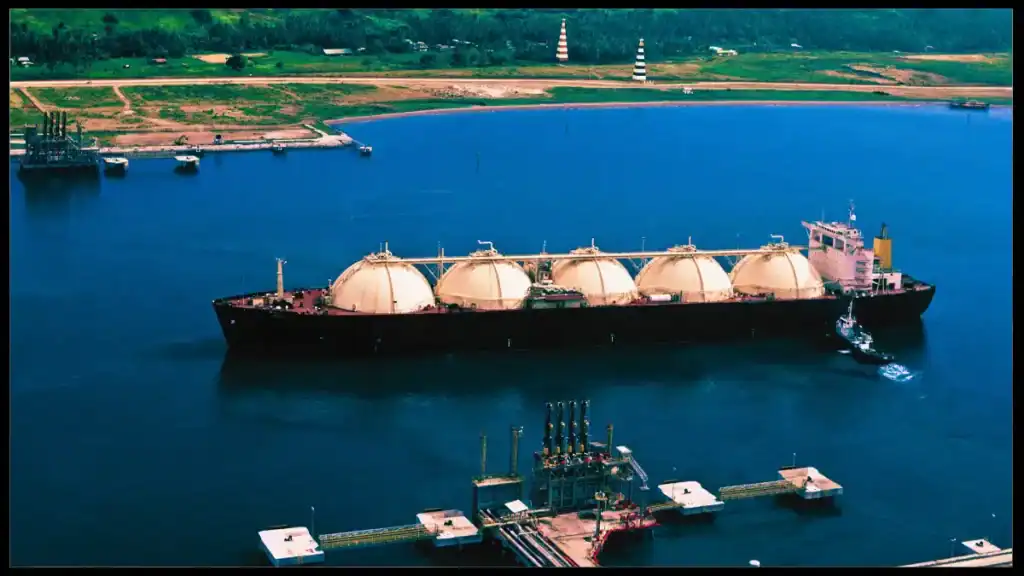
Brussels is moving to bring forward a full ban on Russian LNG, with proposals pointing to January 1, 2027 instead of a later end-2027 sunset. The shift would force Europe to lean harder on Atlantic and Middle East supply, add tonne-miles, and rewire terminal scheduling and contracts. It also intersects with a wider sanctions push (including action on “shadow fleet” practices) and political horse-trading to secure unanimity. For shipowners, this is a structural utilization story; for buyers, it’s a test of pass-through power and flexibility.
Maritime P&L — EU Russian LNG Phase-Out
Item
What Happened & Who’s Affected
Business Mechanics
Bottom-Line Effect
Earlier LNG cutoff
EU is advancing a full ban on Russian LNG to around Jan 1, 2027, pending unanimous approval and enabling acts at the member-state level.
Contract re-writes; portfolio switching toward U.S., Qatar, W. Africa; tighter access to Russia-linked cargoes.
📈 Structural tonne-mile uplift for non-Russian LNG; 📉 stranded value on Russia-exposed routes and assets.
Supply reshuffle
European buyers lean harder on U.S. Gulf, Middle East, and Atlantic LNG; some intra-EU regas capacity facing higher utilization.
More long-haul liftings; seasonal congestion risk at key terminals; boil-off/bunker economics shift.
📈 Higher utilization for LNGCs; 📉 buyer logistics costs climb unless offset by commodity spreads.
Linked sanctions pressure
Packages under discussion include broader maritime measures; parallel registry clean-ups reduce opaque flag options.
Insurance/finance scrutiny tightens; some capacity effectively removed from Europe-facing trades.
📈 Rate support for compliant, transparent fleets; 📉 higher compliance opex for risky counterparties.
Terminal & slot dynamics
Regas hubs re-optimize slots and send-out to match new sourcing; floating units (FSRUs) gain importance in swing coverage.
More peak-period clustering; scheduling buffers widen; charterers value speed-class/containment fit.
📈 Premiums for punctual, compatible tonnage; 📉 demurrage exposure if slot windows are missed.
Contracting & cover
Portfolio owners shift from ad-hoc Russian barrels to longer U.S./Qatari terms; some buyers seek optionality clauses.
Greater time-charter demand; longer average voyage legs; re-pricing of boil-off and heel management.
📈 Visibility for LNGC owners with modern fleets; 📉 tighter margins for buyers if freight pass-through lags.
Path to unanimity
Hold-outs seek concessions (funds, exemptions, transition provisions) to back the accelerated date.
Phasing and carve-outs may stagger impacts by member state; enforcement steps vary.
↔ Timing risk for owners and buyers; outcomes hinge on final text and national measures.
Price & spreads
Forward curves factor longer routes and seasonal risk; intra-basin vs inter-basin spreads guide cargo pulls.
Atlantic-to-Europe arbitrage strengthens; Pacific flows adapt as Europe competes for cargoes.
📈 Earnings leverage for long-haul links; 📉 volatility in delivered costs for end-users.
Fleet segmentation
Modern X-DF/MEGI vessels and large Q-Flex/Q-Max class see stronger demand on key lanes.
Lower fuel burn and containment performance command premium hire on long legs.
📈 Outperformance for efficient tonnage; ↔ older units trail on netbacks.
Note: Overview reflects recent EU proposals and public statements on expediting a full Russian LNG ban, alongside contemporaneous enforcement signals and market adjustments in Europe-facing LNG logistics.
📈 Winners
📉 Losers
Non-Russian LNG exporters: more European demand flows to U.S. Gulf, Qatar, and Atlantic suppliers, supporting volumes and pricing power.
LNG carrier owners: longer average voyage legs and portfolio reshuffles lift utilization and forward cover, especially for X-DF/MEGI tonnage.
FSRU lessors & regas operators: slot optimization and higher send-out at European hubs increase throughput revenues and capacity value.
Transparent fleets: tighter enforcement and registry clean-ups steer fixtures toward vessels with clear ownership and insurance documentation.
Brokerages & traders with flexible portfolios: increased tendering and redirection activity expands deal flow and optionality value.
USG & MEG ports/bunker suppliers: added liftings and longer pre-positioning windows drive ancillary marine services demand.
Russia-linked LNG logistics: shrinking European access reduces eligible cargoes and raises counterparty and insurance risk.
Buyers reliant on Russian volumes: higher delivered costs and contract rewrites if freight and balancing charges rise faster than commodity spreads.
Older steam LNG carriers: weaker competitiveness on long-haul legs versus modern, fuel-efficient ships limits premium employment.
Terminals configured for legacy flows: schedule friction and potential under-utilization if sourcing pivots away without matching upgrades.
Short-haul intra-Europe swaps: displacement by trans-Atlantic and MEG long hauls trims availability for regional moves.
View reflects the proposed acceleration of the EU phase-out timeline, attendant enforcement signals, and anticipated sourcing/routing adjustments.
Accelerating Europe’s phase-out of Russian LNG turns a policy debate into a logistics plan. The near-term reality is more long-haul liftings into European regas hubs and a premium for modern, efficient LNG tonnage that can keep schedules tight. The costs show up for buyers in delivered pricing and contract rewrites, while Russia-linked logistics face a narrowing market. If the political path to unanimity holds and enforcement tightens, the utilization tailwind for compliant fleets could run well beyond 2026, with ports, FSRUs, and bunkering networks along the U.S. Gulf and Middle East emerging as the main beneficiaries.