8 Ways to Cut Your Port Fees in Half
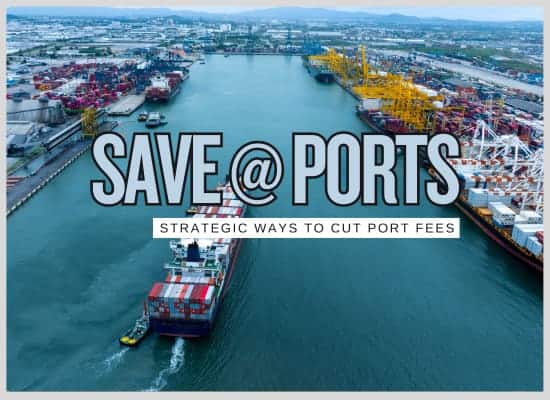
Port fees are one of the most overlooked areas where shipping companies lose money—often silently and over time. The good news? With the right strategies, it’s possible to shave thousands off your recurring costs without cutting corners. From smarter routing choices to digital tools and negotiated discounts, there are legitimate ways to bring those fees down.
Use the calculator below to estimate your potential savings based on strategies you're already using—or could start using today.

We welcome your feedback, suggestions, corrections, and ideas for enhancements. Please click here to get in touch.
Ship Universe: Port Fee Savings Calculator
| Current Port Fees (USD): | |
| Select cost-saving strategies you currently use: | |
|
| |
| 🏦 Savings breakdown will appear here | |
| Disclaimer: Estimates are for guidance only. Max 50% savings cap applied to reflect real-world conditions. | |
Not all ports are created equal. Port selection directly impacts your cost per voyage, especially when it comes to terminal handling charges, turnaround times, and customs procedures. By analyzing port cost structures and choosing more efficient or cost-friendly options, fleet managers can reduce port-related expenses without sacrificing service quality.
📌 Importance:- Port fees can account for 30–40% of total port call costs in many regions.
- Neighboring ports often have significantly different fee structures and incentives.
- Choosing a port with less congestion can reduce waiting time, fuel use, and scheduling risk.
- Ports in Southeast Asia, such as Port Klang and Tanjung Pelepas, typically have lower terminal handling charges compared to Singapore.
- In West Africa, ports like Lomé (Togo) are known for faster clearance and lower tariffs than Lagos (Nigeria).
- In the U.S., some Gulf Coast ports often offer more competitive berthing and mooring rates than high-traffic East Coast ports.
- Terminal handling charges (THC)
- Pilotage, mooring, towage, and shifting fees
- Port dues based on vessel size (GT/NRT)
- Congestion and berth availability
- Customs procedures and inspection rates
- Port Strategy – Industry publication with operational trends, port cost news, and strategic analysis.
- Lloyd’s Loading List – Shipping intelligence with comparative data on port and freight costs.
- PortCalls – Monitors regional port charges and operational updates across Southeast Asia.
- DA-Desk – Used by many operators to analyze and control port call expenses globally.
- Xeneta – Offers benchmarked logistics data, including THC and port charges by region (subscription-based).
- Dataloy Distance Table (DDT) – Supports voyage planning by factoring in port proximity and associated costs.
- Operators with flexibility to reroute to alternate ports
- Fleet managers focused on cost-per-call reduction
- Shippers evaluating long-term regional service plans
Many ports and terminal operators offer discounts based on the volume of cargo handled. These incentives are designed to attract and retain high-volume customers by providing cost savings that scale with increased throughput.
📌 Importance:- Volume discounts can lead to significant reductions in port fees, improving overall profitability.
- Establishing long-term agreements based on projected volumes can provide cost predictability.
- Encourages consolidation of shipments, leading to more efficient operations.
- Tiered Discounts: Progressive discounts applied as volume thresholds are met (e.g., 5% off for 10,000 TEUs, 10% off for 20,000 TEUs).
- Rebates: End-of-year rebates based on total annual volume handled.
- Contractual Rates: Negotiated fixed rates for committed volumes over a specified period.
- Port Strategy – Provides insights into port operations and fee structures.
- Lloyd’s Loading List – Offers data on shipping trends and port charges.
- DA-Desk – Assists in managing disbursement accounts and tracking port-related expenses.
- Xeneta – Analyzes market rates and helps in benchmarking shipping costs.
- Shipping lines with consistent, high-volume routes.
- Freight forwarders consolidating shipments for multiple clients.
- Logistics companies seeking to optimize cost per unit through economies of scale.
Initiating customs clearance and documentation processes before a vessel's arrival can significantly reduce port dwell times and associated costs. Digitizing paperwork streamlines communication between stakeholders, minimizes errors, and enhances overall efficiency in cargo handling.
📌 Importance:- Reduces cargo dwell time, leading to faster turnaround and lower port fees.
- Minimizes manual errors through standardized digital documentation.
- Enhances transparency and traceability in the supply chain.
- Electronic Data Interchange (EDI): Facilitates the seamless exchange of documents like bills of lading, invoices, and packing lists between parties.
- Pre-Arrival Processing Systems: Allows customs authorities to assess and process documentation before cargo arrival, expediting clearance.
- Single Window Systems: Enables traders to submit all regulatory documents through a unified platform, simplifying compliance.
- Port Community Systems (PCS): Integrates various stakeholders in the port community, streamlining information flow and operations.
- Customs Management Software: Assists in automating and managing customs declarations and compliance requirements.
- Digital Document Management Platforms: Provides secure storage and easy retrieval of shipping documents, enhancing accessibility and collaboration.
- Importers and exporters aiming to expedite cargo clearance and reduce storage costs.
- Logistics providers seeking to enhance operational efficiency and customer satisfaction.
- Customs brokers and agents looking to streamline documentation processes and ensure compliance.
Scheduling port calls during off-peak hours—such as nights, weekends, or non-peak seasons—can lead to significant cost savings and operational efficiencies. By aligning vessel arrivals with these periods, shippers can benefit from reduced congestion, faster turnaround times, and potential discounts offered by some ports.
📌 Importance:- Reduces port congestion, leading to quicker loading and unloading processes.
- Minimizes vessel idle time, optimizing fleet utilization.
- Potentially lowers port fees, as some terminals offer incentives for off-peak operations.
- Late-night to early-morning hours (e.g., 10 PM to 6 AM).
- Weekends and public holidays.
- Seasons with historically lower shipping volumes.
- Port Community Systems (PCS): Provide real-time information on port schedules and congestion levels.
- Terminal Operating Systems (TOS): Assist in planning and managing terminal operations efficiently.
- Voyage Planning Software: Helps in optimizing routes and schedules to align with off-peak times.
- Shippers with flexible delivery schedules aiming to reduce costs.
- Operators seeking to improve turnaround times and fleet efficiency.
- Logistics providers coordinating with ports offering off-peak incentives.
Free Trade Zones (FTZs) and bonded warehouses offer cost savings by deferring, reducing, or even eliminating customs duties and taxes. These zones are designed to facilitate international trade by creating flexible, tax-advantaged environments for storage, processing, and re-exporting goods.
📌 Importance:- Delays duty payment until goods officially enter the domestic market.
- Enables storage and re-export of goods without incurring import tariffs.
- Reduces costs associated with customs clearance and inspections.
- FTZs (Free Trade Zones): Designated areas near ports where goods can be landed, stored, repackaged, or assembled without being subject to customs duties until they leave the zone.
- Bonded Warehouses: Secure facilities authorized by customs where dutiable goods can be stored without paying duties for up to five years.
- Deferred Duty Payment: Companies only pay duties when goods leave the FTZ or warehouse for domestic use.
- Foreign-Trade Zone Board: U.S. regulatory body managing FTZ applications and operations.
- Customs Broker Systems: Software platforms that help manage FTZ entries and compliance filings.
- Warehouse Management Systems (WMS): Track inventory, access, and customs status in bonded facilities.
- Companies importing goods for later re-export or deferred sale.
- Ship owners moving goods between foreign and domestic markets.
- Fleets operating regionally with variable final destinations for cargo.
Maritime alliances and industry clubs offer collaborative frameworks that can lead to cost savings, expanded service networks, and enhanced operational efficiency. By pooling resources and coordinating schedules, members can optimize their shipping operations and better navigate the complexities of global trade.
📌 Importance:- Shared vessel space and coordinated routes reduce operational costs and improve capacity utilization.
- Collaborative scheduling enhances service frequency and reliability across major trade lanes.
- Joint procurement and shared facilities can lead to significant economies of scale.
- Vessel Sharing Agreements (VSAs): Members share space on each other's ships, optimizing load factors and reducing empty slots.
- Joint Service Networks: Coordinated port calls and schedules expand service coverage and frequency.
- Resource Pooling: Shared use of terminals, equipment, and logistics services to streamline operations.
- Alliance Management Platforms: Software solutions that facilitate coordination among alliance members for scheduling and resource allocation.
- Shared Digital Platforms: Collaborative systems for real-time data exchange on cargo tracking, vessel positions, and port operations.
- Joint Procurement Systems: Platforms that enable collective purchasing of fuel, equipment, and services to leverage bulk pricing.
- Shipping lines seeking to expand their global reach without significant capital investment.
- Operators aiming to improve service frequency and reliability through collaborative scheduling.
- Companies looking to reduce costs through shared resources and joint procurement initiatives.
Establishing strong relationships with port authorities can lead to enhanced operational efficiency, access to exclusive incentives, and improved communication channels. These partnerships can be instrumental in navigating regulatory environments and optimizing port interactions.
📌 Importance:- Facilitates smoother port operations through direct communication and collaboration.
- Provides access to information on upcoming infrastructure projects and policy changes.
- Enables participation in pilot programs and early adoption of new technologies.
- Regular Meetings: Schedule periodic meetings to discuss operational concerns and collaborative opportunities.
- Joint Initiatives: Participate in programs aimed at improving port efficiency and sustainability.
- Feedback Mechanisms: Provide constructive feedback to port authorities to aid in service enhancements.
- Port Community Systems (PCS): Digital platforms that facilitate information exchange between port stakeholders.
- Stakeholder Forums: Engage in forums and committees that influence port policies and procedures.
- Collaborative Platforms: Utilize shared digital tools for real-time communication and data sharing.
- Shipping companies seeking to streamline port entry and exit procedures.
- Operators aiming to influence port development plans and policies.
- Businesses looking to stay informed about regulatory changes and compliance requirements.
Digital Port Call Optimization Tools enhance the efficiency of port operations by providing real-time data, predictive analytics, and collaborative platforms. These tools facilitate better coordination among stakeholders, reduce waiting times, and contribute to more sustainable maritime practices.
📌 Importance:- Minimizes vessel idle time and port congestion.
- Enhances scheduling accuracy and resource allocation.
- Supports environmental sustainability by reducing emissions.
- Real-Time Data Integration: Aggregates data from various sources to provide a comprehensive view of port operations.
- Predictive Analytics: Utilizes historical and current data to forecast potential delays and optimize scheduling.
- Collaborative Platforms: Enables seamless communication among shipping lines, port authorities, and service providers.
- Port Optimizer™: A cloud-based solution that integrates data across the port ecosystem to enhance visibility and operational efficiency.
- Teqplay: Offers digital twin technology for real-time monitoring and decision-making support in port operations.
- PortXchange Synchronizer: Facilitates Just-in-Time arrivals by providing real-time updates and coordination among stakeholders.
- Awake.AI Port Vision: Provides AI-powered tools for berth planning and port call optimization.
- Qronoport: A platform designed to increase the efficiency and reduce the cost and emissions of port calls.
- Ports aiming to enhance operational efficiency and reduce turnaround times.
- Shipping companies seeking to optimize voyage planning and scheduling.
- Stakeholders focused on improving sustainability and reducing environmental impact.
Reducing port fees isn’t about cutting corners—it’s about operating smarter in an increasingly competitive and cost-sensitive industry. The strategies outlined here aren’t theoretical; they’re already being used by forward-thinking shipowners and fleet managers to streamline operations and improve margins. As global trade routes continue to shift and ports adopt new digital and sustainability mandates, those who stay agile, build relationships, and embrace technology will be positioned to lead. The real savings are in the details—and now is the time to act on them.