Smart Reefer Containers: Pros, Cons, and What Actually Works in 2026
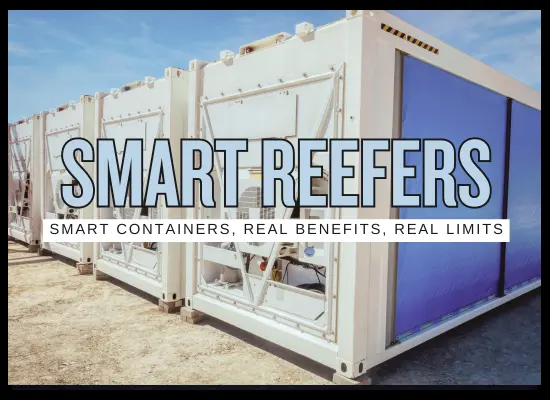
Smart reefer containers in 2026 are not just “a reefer with GPS”. They are reefers with telemetry that can push temperature, humidity, ventilation settings, alarms, and sometimes controlled-atmosphere status into a platform so operators and shippers can intervene earlier, reduce manual checks, and tighten cold-chain evidence when claims happen. The big 2026 shift is broader carrier-led offerings and more consistent connectivity models (cellular plus satellite, depending on service tier and route) and mobile-first workflows for fleet and cargo teams.
| Decision area | Pros | Cons / watch-outs | Where it tends to fit best | What to measure or ask |
|---|---|---|---|---|
| Made simple What it actually is |
A reefer container plus connectivity and a platform that turns reefer controller data into alerts, history, and remote oversight. The useful output is early detection of drift, door events, power loss, and out-of-range conditions. | Not every “smart” offer is continuous ocean tracking. Some tiers are port-only, event-based, or delayed uploads. | Shippers with high value perishables or pharma, and carriers that want fewer claims and tighter evidence. | Ask: data cadence at sea, data cadence in port, and what parameters are included (temp, humidity, ventilation, alarms, door events). |
| Cargo risk Temperature excursions |
Earlier alerts enable earlier intervention, which is often the difference between salvageable and rejected cargo. Better visibility also supports better stow planning and exception management. | Telemetry does not fix poor setpoints, incorrect loading patterns, blocked airflow, or a bad pre-cool process. Some excursions are operational, not mechanical. | Cargoes with tight tolerances, long dwell times, or complex intermodal moves. | Measure: excursion count per 1,000 shipments, time-to-detect, time-to-intervene, and percentage of alerts that led to a useful action. |
| Evidence Claims and disputes |
Stronger audit trail: temperature history, alarms, and operational events help narrow responsibility across handoffs. This can reduce “he said, she said” time. | Data can create new arguments if timestamps are unsynced, if there are gaps, or if custody is unclear. Evidence is only as good as data continuity and definitions. | Shippers and forwarders that fight recurring claims or have strict contract temperature clauses. | Ask: timestamp sync method, export formats, retention period, and whether data is admissible for your quality documentation process. |
| Operations PTI and manual checks |
Fewer blind walks and fewer unnecessary plug checks when exceptions are clearly flagged. Better prioritization in terminals and depots. | The workload moves to the screen. If alarms are noisy, you get alert fatigue and missed real issues. | Terminals, depots, and carriers that run large reefer pools and need smarter exception workflows. | Measure: manual check hours avoided, percent of alarms that were actionable, and recurring root causes by equipment type. |
| Connectivity Coverage at sea and in port |
Newer service designs often combine cellular and satellite options to keep visibility during ocean legs and improve continuity across port stays. | Coverage is not uniform. Some trades have weak cellular reach, and satellite tiers cost more. Data can be intermittent by design. | Long ocean legs, trades with high weather disruption, and routes with high dwell or transshipment complexity. | Ask: expected gap profile by trade, which events are buffered, and what triggers “priority messages” when bandwidth is constrained. |
| Maintenance Reefer unit health and service |
Health signals support earlier service planning and fewer in-transit failures. Platforms can help spot patterns across fleets and depots. | Predictive claims are only as good as baseline quality and sensor integrity. Bad sensors produce bad work orders. | Carriers with standardized reefer fleets and service partners that can act on diagnostics quickly. | Measure: failure rate in-transit, repeat faults, and “mean time to repair” after remote diagnosis is provided. |
| Energy Power use and plug management |
Better view of run state and dwell can reduce wasted power, improve plug allocation, and support cleaner terminal planning. | Energy savings are often modest per box. The value comes from operational discipline, not from dashboards alone. | Terminals with high reefer density and power constraints, and operators who run measurable energy KPIs. | Measure: kWh per reefer-day in terminal, plugged time versus required time, and percent of power alarms resolved within SLA. |
| Interoperability Sharing data with shippers |
Shippers want visibility without emails. Good programs support controlled sharing and automated exception notifications. | Fragmented platforms create login sprawl. Mixed fleets make it harder if the carrier has multiple reefer OEMs and multiple portal standards. | Contract shippers, pharma, and high value perishables with structured SOPs and escalation chains. | Ask: API options, role-based access control, and how “exceptions” are defined and routed. |
| Controlled atmosphere CA and advanced cargo programs |
CA programs can add shelf-life and reduce spoilage for certain produce by managing oxygen and carbon dioxide targets along with temperature. | CA adds complexity: cargo suitability, correct settings, and stronger SOPs. A CA shipment still fails if loading and airflow are poor. | Produce programs where shelf-life and quality retention have clear commercial value. | Ask: which commodities and routes are proven, what parameters are monitored, and what the escalation playbook is when targets drift. |
| Security Data, access, and misuse |
Proper access control and audit trails can improve accountability and reduce manual handoffs. | IoT devices expand the attack surface. You need clear ownership of credentialing, device lifecycle, and update processes. | Operators with defined OT and IoT governance, and shippers that require security assurances. | Ask: device patch model, authentication, audit logs, and what happens if the device is replaced or swapped between boxes. |
Smart Reefer ROI Tool: avoided loss and premium breakeven
Use this when you are deciding whether to pay a smart-reefer premium, or which cargo lanes justify telemetry.
Baseline expected excursions per year
0
Baseline loss exposure per year
$0
Avoided loss from smart reefer coverage
$0
Annual premium cost
$0
Net value per year
$0
Breakeven premium per shipment
$0