Shaft Power Limitation Systems (ShaPoLi) Made Simple: 2025 Update
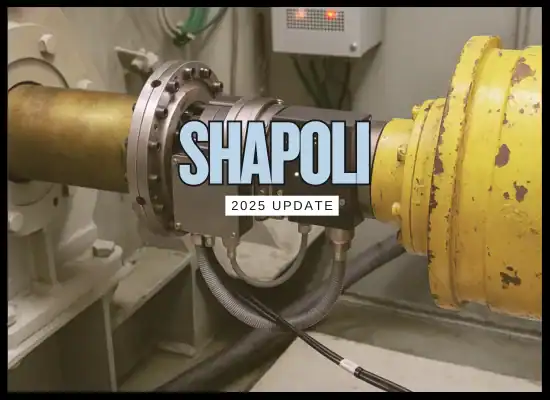
With the IMO’s EEXI rules now in full effect since 2023, many shipowners are turning to Shaft Power Limitation (ShaPoLi) as a practical, onboard solution to reduce fuel consumption and emissions. Instead of limiting engine output directly, ShaPoLi measures actual shaft power and restricts it by adjusting propeller pitch or shaft rpm. Unlike permanent modifications, it’s overridable in emergencies, logged for compliance, and helps vessels meet carbon standards while maintaining operational flexibility. Suppliers like Kongsberg, Chris-Marine, and Wärtsilä began deploying ShaPoLi-capable systems heavily in 2024–25, often bundled with torque meters and logging software.
🔧 What is it and Keep it Simple...
Imagine you’re driving a powerful truck, but new rules say you can’t go over 55 mph. Instead of changing the engine, you install a speed limiter that keeps you within the legal limit, but you can still push past it in an emergency if needed. That’s what ShaPoLi does for ships.
It limits how much power actually goes to the propeller by monitoring the shaft’s torque and rpm. If the ship tries to exceed its approved power limit, ShaPoLi holds it back, but always allows a manual override if safety is at stake. It helps shipowners comply with emissions rules like EEXI, without permanently downgrading the engine or going into drydock.
2025 Snapshot: Is Shapoli Actually Working?
🔧 2025 ShaPoLi Rundown
- ✔️ Already Installed: Hundreds of ships have implemented ShaPoLi to meet EEXI rules, especially bulk carriers and tankers built before 2013.
- 💡 Simple Retrofit: Most setups include torque sensors, shaft RPM monitors, and a control limiter—hardware cost is modest.
- 🛟 Emergency Override Built In: Captains can bypass limits when safety is at stake, but overrides must be logged and reviewed.
- 📘 Class-Approved: Class societies like DNV, ABS, and Lloyd’s Register have issued guidance and approve ShaPoLi as an EEXI solution.
- ⚓ Easy for Charterers: ShaPoLi doesn't require rerouting or voyage planning changes, making it attractive to operators under tight schedules.
- 📉 Drawback: Since it limits power without improving actual efficiency, emissions aren't truly reduced—just capped by throttle.
- 🚢 Works Best For: Ships that only occasionally run near full engine power; minimal operational impact when engines already run at 70–80% MCR.
- 🔭 What's Ahead: Future EEXI or CII updates may make ShaPoLi insufficient alone—operators are watching closely.
📉 ShaPoLi ROI & Payback Calculator
Estimate how quickly your investment in a Shaft Power Limitation (ShaPoLi) system pays off based on compliance cost savings and operational benefits.
Typical range: $80,000–$150,000 depending on ship type and sensor setup.
Compared to alternatives like engine power de-rating or propulsion retrofits, ShaPoLi is often cheaper and quicker to certify.
Fuel savings (1–3%) may occur due to more consistent RPM control and lower peak loads.
Savings may come from reduced wear and smoother voyage planning within EEXI power limits.
Ongoing subscription or hardware calibration typically costs $5,000–$12,000 annually.
We welcome your feedback, suggestions, corrections, and ideas for enhancements. Please click here to get in touch.