VLCC freight jolts to six year highs as Middle East barrels surge and US–Iran risk tightens tonnage
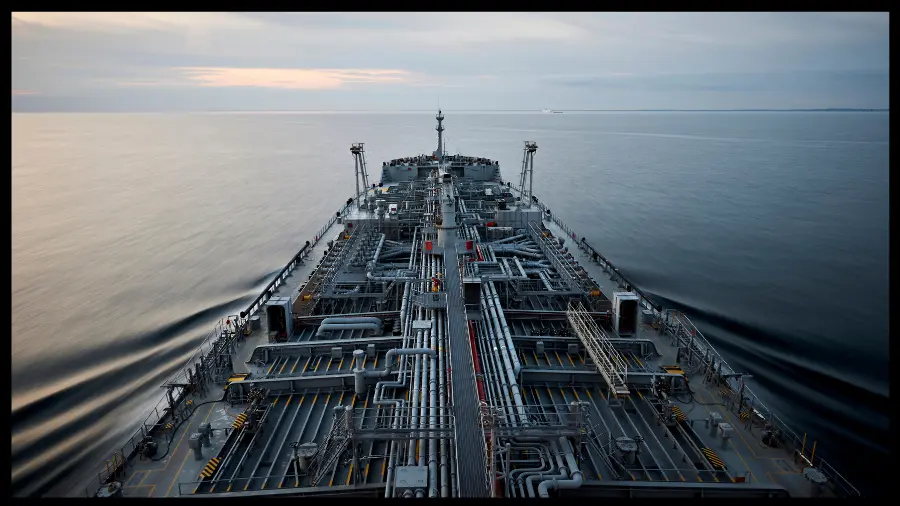
Middle East crude exports are rising just as geopolitical risk is back in pricing, and the combination is showing up first in freight. On the key Middle East to China VLCC run, quoted earnings have been cited above $170,000 per day, a level that can quickly ripple into delivered crude costs, refinery margins, and near term chartering behavior across the tanker market.
Subscribe to the Ship Universe Weekly Newsletter
Click here for 30 second summary of the full piece ▶
Freight spike is doing the talking
Reporting cites VLCC earnings on the Middle East to China route above $170,000 per day, pushing tanker costs to the strongest levels in roughly six years. The lift is being tied to a surge in Middle East exports and renewed US–Iran risk that is nudging war risk pricing higher and tightening the pool of non sanctioned ships available for lawful trades.
- Flow pressure: Middle East exports have been cited above 19 million bpd in February 2026, lifting demand for VLCC liftings.
- Risk pricing: Strait of Hormuz risk talk adds insurance and optionality costs even without physical disruption.
- Tonnage reality: Shadow fleet participation in sanctioned trades reduces effective supply in the mainstream spot market.
| Reader shortcut | Market fact pattern | Moving rates | First Impact | Next proof points |
|---|---|---|---|---|
| MEG to China earnings cited above $170k per day |
Reporting ties the spike to heavier Middle East export volumes plus geopolitical risk pricing.
The jump is described as a six year high environment for tanker costs on this lane.
|
A high print resets spot expectations fast, pulls ships into the spot chase, and raises the clearing level for replacements. | China bound refiners and traders pricing prompt cargoes, plus charterers competing for near term laycans. | Daily assessments and fixture chatter: do extreme prints repeat, or fade into a still elevated mean. |
| Export surge: Middle East cited above 19 million bpd in Feb 2026 |
Middle East export volume has been reported at the highest level since April 2020, led by Saudi Arabia, the UAE, and Iran.
More barrels from the Gulf typically means more VLCC demand.
|
Higher loadings increase competition for available VLCCs and compress optionality around timing and route selection. | Owners positioning ships in the Gulf, plus charterers with fixed refinery arrival windows. | Whether export levels remain elevated into March and April, or normalize after the surge. |
| US–Iran risk premium and Hormuz sensitivity |
Risk of conflict raises concern about flows through the Strait of Hormuz, prompting higher war risk insurance and caution premia.
Even absent disruption, pricing can react to perceived hazard.
|
Higher insurance and risk buffers lift voyage cost and can reduce effective supply as some operators become selective. | Chartering desks needing firm arrival dates, plus insurers and owners managing exposure limits. | War risk quote behavior and any change in routing, convoy talk, or security posture. |
| Sanctions distortion and the shadow fleet effect |
Older ships working sanctioned barrels are described as removing tonnage from the lawful pool, tightening availability for mainstream trades.
Tonnage exists, but it is not always available for every cargo.
|
Reduced effective supply amplifies volatility when demand rises, because the tradable fleet is smaller. | Commodity houses, majors, and compliant operators needing non sanctioned ships and clean paper. | Any shift in sanctions enforcement tone, plus any change in shadow fleet participation rates. |
| Delivered crude cost squeeze and margin math |
High freight directly increases delivered crude cost per barrel, and can pressure refinery economics if product cracks do not keep pace.
Freight can become a margin killer when it spikes quickly.
|
If refiners resist higher delivered cost, prompt demand can soften, which eventually feeds back into freight. | Refiners on term plus spot exposure, plus traders arbitraging Middle East barrels into Asia. | Watch refinery margin signals, run cuts, and whether crude buying patterns shift by grade or origin. |
When VLCC earnings jump, the fastest real world transmission is delivered crude cost. Even if flat prices do not move much, freight can widen the landed cost of a Gulf cargo into Asia and force refiners to re price product runs, adjust crude slates, or slow spot buying.
High prints cluster around tight laycans. If prompt ships disappear, rate sensitivity increases and replacement cargoes reprice upward quickly.
War risk and security posture can add voyage cost and reduce ship willingness. That tightens supply before any physical disruption occurs.
If a meaningful slice of older VLCCs works sanctioned flows, the effective supply for mainstream trades is smaller and volatility rises.
We welcome your feedback, suggestions, corrections, and ideas for enhancements. Please click here to get in touch.