Venezuela Restarts VLCC Crude Exports to India After U.S. Supply Deal
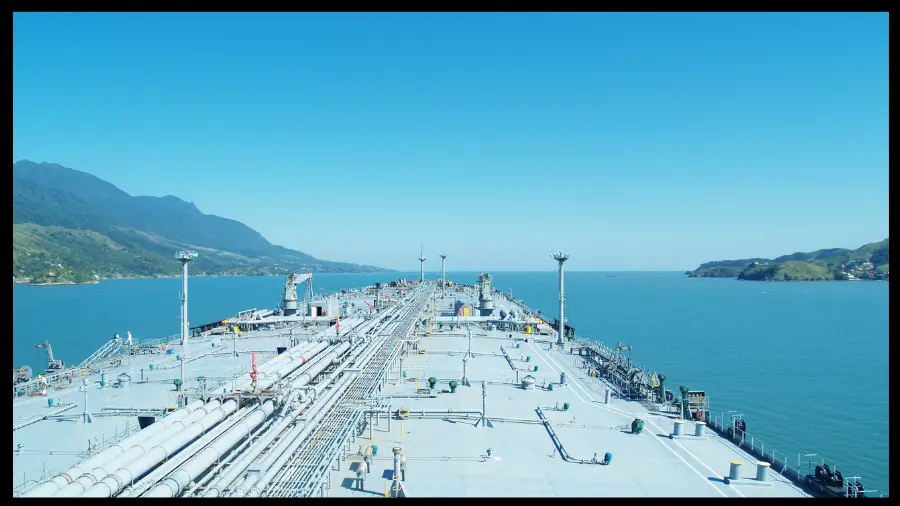
Venezuela is moving to load bigger crude parcels for export by booking VLCCs for the first time since the recent Caracas–Washington supply arrangement took effect, with March loading windows at PDVSA’s Jose terminal and voyages targeting India. At least three VLCCs chartered by Vitol and Trafigura (including Nissos Kea, Nissos Kythnos, and Arzanah) assigned to Jose, plus another VLCC (Olympic Lion) signaling Venezuela as destination, as trading houses and buyers look to cut per barrel freight, ease shortages of medium-sized tankers, and accelerate deliveries.
Subscribe to the Ship Universe Weekly Newsletter
Click here for 30 second summary of the full piece ▶
Venezuela brings back VLCC liftings, India in the crosshairs
Trading houses and buyers are lining up very large crude carriers to move Venezuelan crude in bigger parcels, marking the first VLCC chartering wave tied to the recent U.S.-linked supply framework. Reuters reports multiple VLCCs assigned March loading windows at PDVSA’s Jose terminal, with cargoes bound for India.
- Recent Developments: shift from mainly Panamax and Aframax liftings toward 2 million barrel class parcels on VLCCs.
- Now: larger ships can reduce per barrel transport cost and ease tight availability of medium-sized tankers.
- Moving: India has been taking Venezuelan barrels via trading houses, and Reuters also reported a Chevron sale of Venezuelan crude to Reliance.
Bigger parcels to India can re-shape near-term tanker demand mix around the Caribbean and long-haul Atlantic-to-Asia legs, with practical knock-ons first visible in Aframax and Suezmax availability, Jose terminal lineups, and loading program rhythm.
| Fast reader take | Export move | Who is doing it | Changes on the water | Watch next | Closest stakeholders |
|---|---|---|---|---|---|
| Parcel size jumps to VLCC scale |
First wave of VLCC chartering tied to the current export setup, with March loading windows at Jose.
VLCC liftings
March windows
Jose terminal
|
Reuters cited Vitol and Trafigura chartering VLCCs for March liftings.
Vitol
Trafigura
|
Fewer sailings can move the same monthly volume, shifting demand from Aframax and Panamax toward VLCC scheduling and berth sequencing. | Finalized loading programs, lineups at Jose, and any changes in use of Caribbean storage legs. | Tanker chartering desks, terminal planners, PDVSA counterparties, vetting teams. |
| India becomes the growth outlet again |
India-bound flows are central to the VLCC logic, targeting long-haul economics and faster drawdown of stored barrels.
India-bound
Long haul
|
Indian refiners and trading houses, with Reuters also reporting renewed India purchases including a Chevron-to-Reliance cargo.
Reliance
Indian refiners
|
More Atlantic-to-Asia legs on VLCCs changes ballast and positioning patterns versus the recent Caribbean-to-U.S. heavy focus. | Whether additional VLCCs are fixed, and whether India volume grows via term deals or spot parcels. | Refinery crude buyers, traders, shipowners, freight analysts. |
| Medium-size tightness gets relief |
Reuters flagged tightened availability of medium-sized vessels in the region as part of the rationale for upsizing.
Aframax availability
Panamax tightness
|
Charterers seeking lift flexibility, plus U.S. refiners and license holders active in the trade.
Time charters
License holders
|
If VLCCs take a portion of export liftings, Aframaxes may rotate toward U.S. runs and feeder roles, depending on program design. | Any rise in Aframax demand for positioning, blending, and regional distribution around Caribbean hubs. | Aframax owners, MR and product operators in adjacent trades, ports and pilots. |
| Jose becomes the throughput choke point |
Jose handles a large share of Venezuela’s crude exports and is the anchor for the VLCC lineup.
Berth sequencing
Window discipline
|
PDVSA logistics and terminal operations coordinating with charterers and nominated ships.
Terminal ops
Lineup management
|
Larger ships amplify the impact of any slip, because a single delayed VLCC can strand more volume and change the month’s cadence. | Any reported congestion, demurrage patterns, or last-minute swaps in ship nominations. | Masters, agents, terminals, towage, P&I and claims. |
| Pricing and timing pressure remains the driver |
Reuters noted economics pressure around differentials for key heavy grades and the desire to reduce delivered cost.
Delivered cost
Differentials
|
Traders optimizing netbacks and refiners balancing alternative crudes as buying patterns shift.
Netbacks
Crude slate
|
VLCC economics work best when programs stay steady enough to fill and turn ships without repeated rework or storage detours. | Continuity of export authorizations, buyer diversification, and month-to-month lifting stability. | Commodity trading firms, crude schedulers, legal and compliance, insurers. |
Why VLCCs matter here: fewer liftings, different bottlenecks
Reuters described the shift as a practical logistics upgrade: VLCCs can carry up to 2 million barrels, which can lower per barrel transport cost and reduce pressure on scarce mid-size tankers. The trade focus is India, where refiners have been re-opening buying channels for Venezuelan grades.
What to track in the next loading cycle
- Jose lineup discipline: larger ships magnify the impact of slippage in windows and paperwork readiness.
- Mix of ship sizes: how much volume stays on Aframax and Panamax versus moving to VLCC-sized parcels.
- Destination clarity: whether India remains the main outlet or if more destinations open as authorizations evolve.
- Storage detours: whether cargoes still stage through Caribbean terminals, or move more directly on long-haul legs.
Quick parcel math tool
A fast way to translate an export rate into approximate liftings by ship class. This is sizing math only, not a rate forecast.
If Venezuela successfully normalizes VLCC loadings to India, the near-term market signal is a mix shift: long-haul VLCC employment grows while regional Aframax and Panamax tightness can ease, with the earliest real-world proof showing up in Jose loading rhythm and the number of liftings needed to clear monthly export programs.