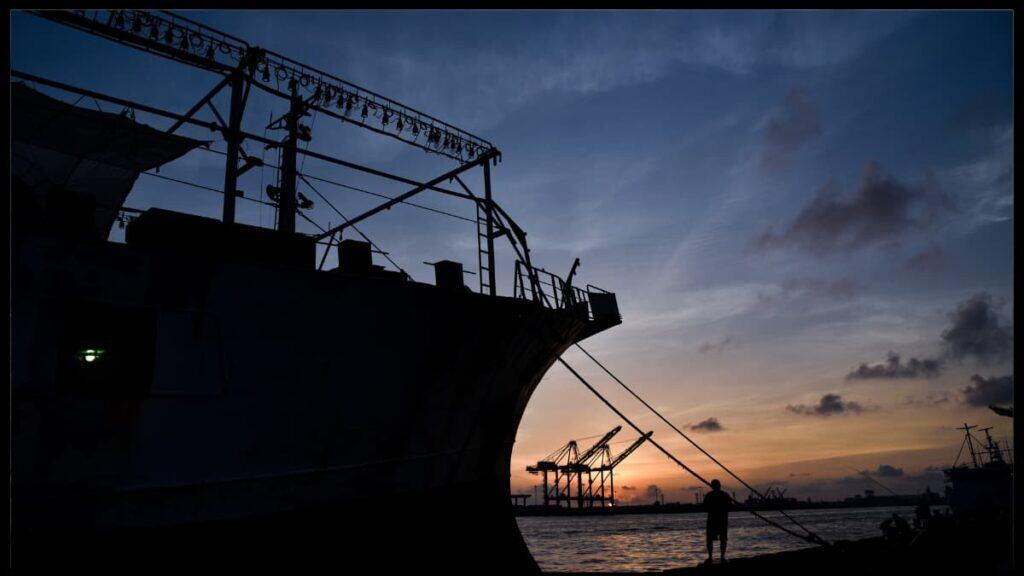
UK maritime authorities are ramping up pressure against the so-called “shadow fleet”, aging and under‑insured tankers suspected of transporting Russian oil to evade Western sanctions. Between October and June, they issued 343 challenges, over 40 per month, to vessels in the English Channel demanding proof of insurance and ownership documentation. The crackdown includes sanctions on individual ships, expanding enforcement beyond traditional corporate targeting.
UK Grey Fleet Sanctions Enforcement
Measure
Details
Timeframe
Targeted Vessels
Enforcement Lever
Channel Challenges
Radio inquiries to vessels requesting insurance & ownership documentation
Oct 2024 – Jun 2025
343+ suspected shadow fleet tankers
Challenge to sail onward; failure leads to sanctions review
Individual Vessel Sanctions
Sanctioned tankers with no compliance or false documentation
Recent key cases such as “Ksena”
At least 100 vessels designated by UK/EU
Asset freeze, flag implications
Financial Institution Alerts
NCA red alerts to insurers and banks about shadow fleet risks
July 2025
Insurance & payment networks
Regulatory pressure & compliance monitoring
Industry & Coastal State Coordination
Joint patrols and insurance checks by UK, Germany, Sweden
Late 2024 – mid‑2025
Baltic Sea, Fehmarn Strait, North Atlantic
Document inspection, boarding rights
Note: This enforcement package marks Europe’s most comprehensive targeting of the so‑called shadow fleet to date, disrupting over $24 billion in suspected oil cargo movements since early 2024.
Industry Impact Overview
The UK’s intensified enforcement against “shadow fleet” tankers suspected of aiding sanctioned oil trades is reshaping maritime compliance expectations across Europe and beyond. These vessels, often operating without proper flags, insurance, or functioning AIS systems, are now squarely in the crosshairs of regulators.
Key Impact:
Increased Scrutiny of Tankers: Older or opaque vessels—especially those engaging in ship-to-ship transfers—face heightened inspection risks when approaching UK or EU waters.
Pressure on Insurers and Flag Registries: Financial institutions, insurers, and flag states are being pushed to sever ties with vessels suspected of violating sanctions.
Potential Market Volatility: Removal of shadow fleet tonnage from circulation may increase freight rates for legitimate shippers, especially in the crude oil sector.
Diplomatic Signaling: The UK’s crackdown also sends a strong message to countries allowing shadow fleet activity, reinforcing global sanctions enforcement.
Compliance Technology Surge: AIS monitoring, satellite imaging, and vessel risk scoring systems are gaining traction among ports and operators.
Sanctions Enforcement Pressure Points
Enforcement Domain
UK Focus
Impacted Stakeholders
Resulting Trend
Vessel Inspections
343+ challenges in UK waters (Oct 2024–Jul 2025)
Flagless or sanctioned tankers
AIS tampering now a red flag
Sanctions Designation
Individual ships targeted with financial bans
Owners, charterers, affiliates
Reduced ability to port or insure
Financial Oversight
Alerts to UK-based banks and reinsurers
Underwriters, compliance teams
Increased due diligence checks
Port-State Controls
Extended inspection authority for UK ports
Port authorities, terminal operators
More vessels turned away at berth
Information Sharing
Joint operations with EU and Nordic states
National security agencies, flag states
Expansion of regional blacklists
Note: The shadow fleet's tactics—AIS disabling, flag hopping, and STS transfers—are under growing global scrutiny. UK initiatives may prompt similar crackdowns in other major trade zones.