UK ETS Extension for Shipping: Changes in 2026 and What Is Being Teed Up Next
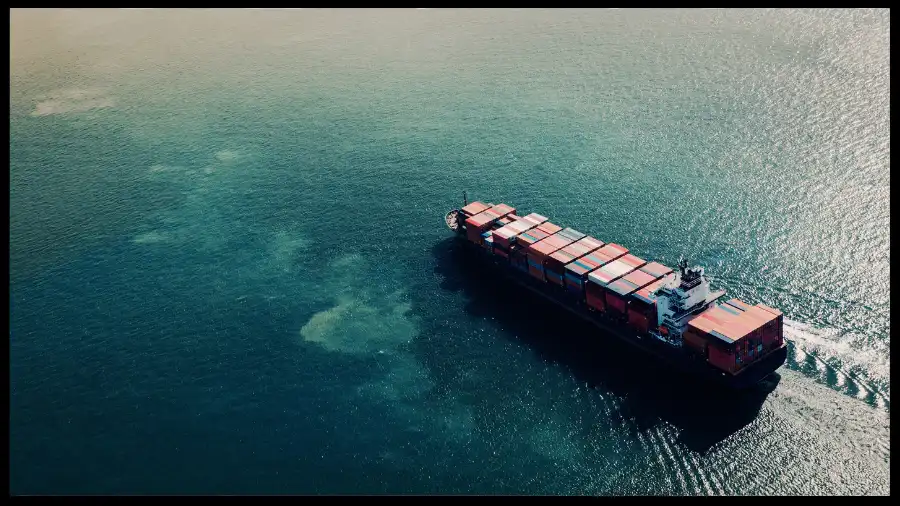
The UK ETS is moving from policy intent into implementation for shipping. The latest step is that domestic maritime inclusion is set to start 1 July 2026, with a half-year first scheme year, specific reporting and surrender dates, and several carve-outs (offshore delayed, select exemptions, and a Northern Ireland–Great Britain deduction). In parallel, the UK has already run a consultation on adding international maritime voyage emissions, with government material pointing to a possible 2028 start subject to negotiations and design decisions.
Subscribe to the Ship Universe Weekly Newsletter
Click here for 30 second summary
UK ETS shipping extension in one read
The UK ETS is expanding to cover domestic maritime from 1 July 2026. Policy detail now sets out the scope as domestic voyages between UK ports and all UK in-port emissions for ships at or above 5,000 GT, with offshore ships delayed until 1 January 2027 and several specific exemptions and discounts defined.
-
Dates and deadlines
The first scheme year runs from 1 July to 31 December 2026. The verified emissions report for that period is due by 31 March 2027. Allowance surrender for 2026 is deferred to 30 April 2028 under a double-surrender arrangement that also covers the 2027 scheme year. -
Scope edges that change outcomes
A 50% deduction is specified for voyages between Northern Ireland and Great Britain. Exemptions include certain ferry services to Scotland’s islands and peninsular communities and fish catching and fish processing ships, with a review point set for 2028. -
Next extension track
A consultation on adding emissions from international maritime voyages linked to UK ports ran from 25 November 2025 to 20 January 2026. Government material discusses a proposed 2028 application date for that international expansion, subject to negotiations and final policy design.
The UK ETS now has a defined domestic shipping start date and compliance calendar for mid-2026, while international maritime inclusion is being progressed through consultation and negotiation with timing discussed around 2028, making UK-linked voyage coverage the next major policy variable to watch.
| Headline change | Captured | Timeline | Scope edges and carve-outs | Commercial pinch points |
|---|---|---|---|---|
| Domestic maritime enters UK ETS |
Ships at or above 5,000 GT on domestic voyages between UK ports, plus UK in-port emissions.
Coverage is framed on a ship-activity basis for domestic voyages and in-port activity.
|
Start date: 1 July 2026. First scheme year runs 1 Jul to 31 Dec 2026.
Subsequent scheme years run 1 Jan to 31 Dec.
|
Offshore ships are delayed to 1 Jan 2027 (aligned with EU timing).
Threshold and key exemptions are scheduled for review in 2028.
|
New MRV setup, verifier onboarding, and internal cost allocation clauses across operating structures become immediate workstreams. |
| Deadlines include a double-surrender bridge |
Reporting and surrender follow the UK ETS cadence, with a transitional concession for new maritime entrants.
Reports are still due on the normal timeline, but surrender is deferred for the first scheme year.
|
2026 emissions report due 31 Mar 2027.
Allowances for 2026 can be surrendered by 30 Apr 2028.
2027 report due 31 Mar 2028 and surrender by 30 Apr 2028.
|
The concession is specified for 2026 and 2027 scheme years only.
It is designed to give extra time to familiarise and onboard into systems.
|
Cash timing shifts, but accounting and counterparty pass-through discussions still start before the first reporting deadline. |
| Specific route treatment: NI to Great Britain |
A 50% deduction from surrender obligations is set for voyages between Northern Ireland and Great Britain.
Intended to avoid disparities on routes touching the island of Ireland.
|
Applies within the domestic maritime regime that starts July 2026.
This sits alongside the broader domestic voyage and in-port coverage.
|
Exemptions also include certain Scottish island and peninsular ferry services, plus fish catching and fish processing ships.
Exemptions are stated as subject to review in 2028.
|
Route classification and documentation discipline becomes a core audit theme on mixed networks. |
| Cap adjustment published for domestic maritime |
The UK ETS cap is being adjusted with an additional 9,323,546 allowances attributed to domestic maritime inclusion.
The figure is described as aligned to a net zero consistent trajectory for the sector.
|
Published alongside the domestic maritime policy detail ahead of July 2026. | Policy materials also flag intent to expand to international voyages, subject to negotiations and scheme design finalisation. | The cap change is a market signal because it frames the volume entering the system as the sector is added. |
| International maritime is the next extension track |
A consultation has been run on including emissions from international voyages linked to a UK port.
Consultation window: 25 Nov 2025 to 20 Jan 2026.
|
Government material points to a proposed start date discussed around 2028, subject to negotiations and final policy detail.
A future review is also discussed in light of IMO developments.
|
International design choices create the biggest exposure for UK calling fleets and charter parties that straddle UK and non-UK ports. | The central friction question becomes alignment risk with other regimes and potential double-charging on overlapping legs. |
Policy text specifies domestic voyages between UK ports and UK in-port emissions as in-scope, with offshore ships delayed and a review point set for 2028 on threshold and key carve-outs.
International maritime is being worked as a separate track. A closed consultation on international maritime emissions ran from late Nov 2025 to late Jan 2026, with policy material discussing a possible 2028 application date subject to negotiations and final design.
This tool gives a fast, plain-language check for domestic maritime coverage and a simple cost lens for in-scope emissions (using a user-entered UKA price).
Recent reporting indicates the draft maritime UK ETS regulations have moved through the UK Parliament’s House of Commons, with industry bodies publicly raising concerns about compressed preparation timelines and alignment questions.
We welcome your feedback, suggestions, corrections, and ideas for enhancements. Please click here to get in touch.