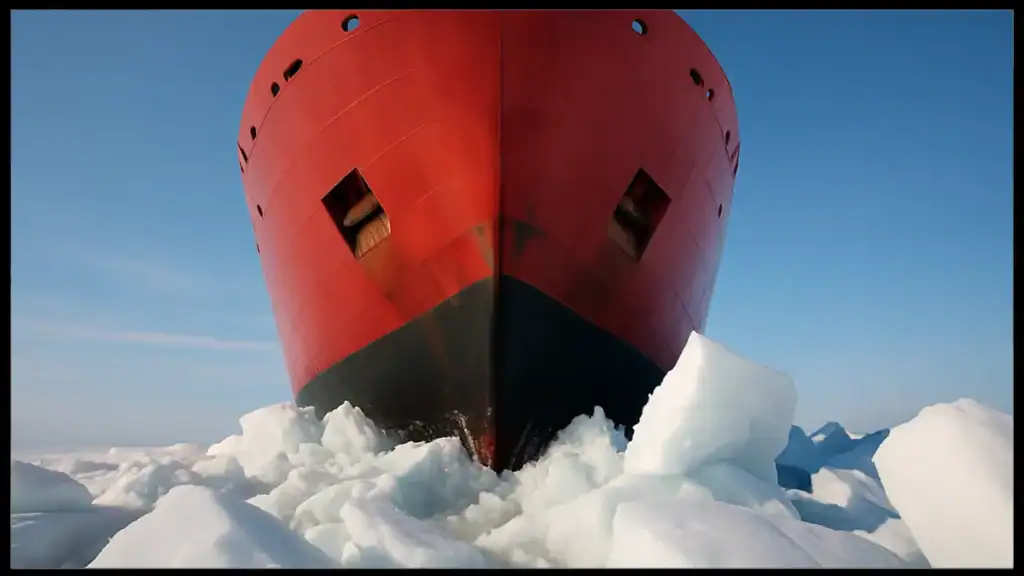
A newly approved federal package has allocated $8.6 billion to accelerate the U.S. Coast Guard’s Arctic icebreaker capabilities. This investment marks a major strategic shift to counter growing polar influence from countries like Russia and China. With just three existing icebreakers, the agency will now move to commission multiple new vessels across heavy, medium, and light classes, emphasizing domestic shipbuilding and Arctic operational readiness.
U.S. Coast Guard Icebreaker Funding Allocation 2025
Segment
Investment Amount
Planned Deliverables
Strategic Objective
Heavy Polar Security Cutters
$4.3 billion
Up to three Polar Security Cutters
Extend U.S. capabilities in multi-year Arctic ice
Medium Arctic Security Cutters
$3.5 billion
Partners operational and logistic missions
Bridge gap between heavy and light operations
Light/Medium Icebreakers
$816 million
Smaller cutters and replacement vessels
Improve coastal support and emergency response
Note: Funding approved under the 2025 “Big Beautiful Bill” supports U.S. shipbuilding in line with the ICE Pact partnership and addresses a fleet gap compared to Russia’s 57-strong icebreaker capability.
Industry Impact Brief
The $8.6 billion commitment toward U.S. Coast Guard icebreaker expansion is pivotal industrial stimulus with far-reaching implications:
Shipbuilding Surge: U.S. yards specializing in complex naval and offshore builds are expected to receive multi-year contracts, driving jobs, modernization, and domestic capability gains.
Arctic Strategy Shift: This move signals stronger U.S. intent to maintain Arctic presence alongside Russia, Canada, and China, reshaping maritime power balances.
Technology Development: Icebreaking hull innovations, hybrid propulsion systems, and Arctic-class automation are likely to see renewed investment.
Cross-Sector Spillover: Supply chains in steel, navigation systems, propulsion, and cybersecurity will benefit, with cascading impacts across maritime and defense sectors.
Arctic Icebreaker Investment Impact by Sector
Sector
Impact Description
Short-Term Benefits
Long-Term Strategic Effects
Shipyards
Domestic yards will handle multiyear complex vessel builds
Job growth, tooling upgrades, yard expansion
Restores U.S. strategic shipbuilding edge
Propulsion & Hull Tech
Advancements in polar-capable engines and reinforced hulls
R&D contracts for ice-class innovations
Future-ready vessels with hybrid & modular design
Supply Chain & Materials
Boost for U.S. suppliers in steel, navigation, sensors
Increased orders, localized contracts
Stronger national maritime manufacturing ecosystem
Defense & Strategic Policy
Supports naval Arctic patrols and logistical presence
Enables Arctic operations during tension or emergency
Counters Russian/Chinese polar foothold
Climate & Science Missions
New cutters will carry research and environmental teams
Improved access for polar science operations
Supports global climate data, Arctic studies
Note: These impacts reflect both the funded PSC program and broader ICE Pact collaboration efforts across North America and Europe.