U.S. Approves Texas GulfLink Deepwater Crude Export Port License, Up to 1 Million Barrels a Day
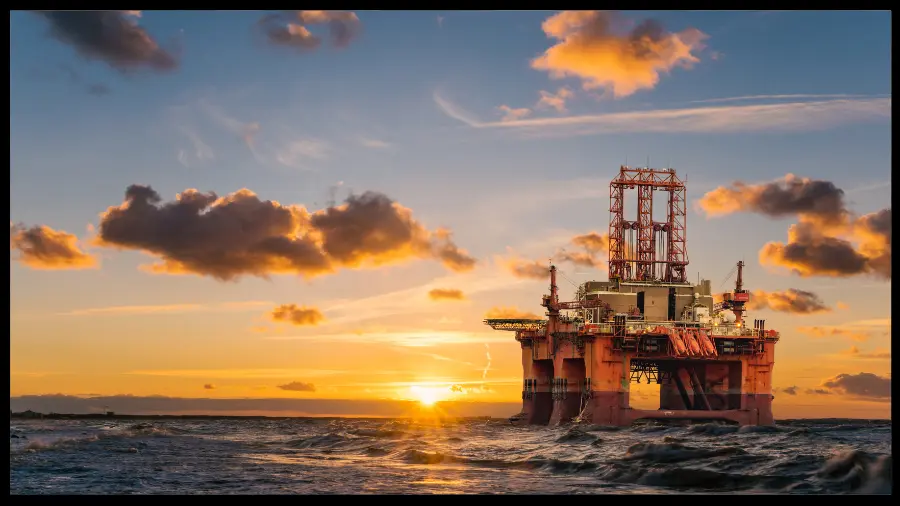
U.S. regulators have approved a deepwater port license for Sentinel Midstream’s Texas GulfLink project off the Texas coast, a step that moves another offshore crude-export outlet closer to construction and future operations. Reuters reporting cites export capacity up to about 1 million barrels per day and an offshore location roughly 26.6 nautical miles from Brazoria County, positioning the project as a long-cycle infrastructure signal that could alter how incremental U.S. crude reaches very large tankers over time.
Subscribe to the Ship Universe Weekly Newsletter
Click here for 30 second summary
Texas GulfLink license in one read
U.S. Transportation Department approved a deepwater port license for the Texas GulfLink offshore crude export project backed by Sentinel Midstream. The approval cites export capacity up to about 1 million barrels per day and places the port about 26.6 nautical miles off Brazoria County, Texas.
-
Approved
A federal license to own, construct, and operate an offshore crude export port. -
Data
Up to about 1 million barrels per day capacity is cited, with an offshore site about 26.6 nautical miles from the Texas coast. -
Next Up
Construction, commissioning, and the emergence of steady throughput commitments that convert a license milestone into operating volumes.
This is a long cycle export capacity signal. If it reaches steady operations, it can reshape how U.S. Gulf crude is assembled for export and increase the share of long haul liftings that suit larger tankers.
| Reader shortcut | License headline | Physical export shape | Tanker demand angle | Watch next |
|---|---|---|---|---|
| Approval step that matters |
U.S. Transportation Department announced a license for Texas GulfLink to own, construct, and operate a deepwater crude export port.
Project sponsor identified as Sentinel Midstream in reporting.
|
Offshore loading concept designed for large crude export moves rather than incremental coastal parcels. | Offshore loading can reduce reliance on partial loads and offshore top offs, improving load efficiency for larger tankers over time. | Conditions tied to the license and the developer’s schedule toward construction and commissioning. |
| Capacity signal | Export capacity cited up to about 1 million barrels per day in the approval announcement and reporting. | A scale that can become material if tied into consistent pipeline and storage feed. | Sustained high volume export capacity tends to support more long haul crude liftings and higher tanker employment if utilization follows. | Commercial anchoring, including long term throughput commitments and crude supply connectivity. |
| Location and access |
Offshore site cited around 26.6 nautical miles off Brazoria County, Texas.
Public statements place the facility off the Texas coast.
|
Deepwater siting supports loading away from draft constrained nearshore channels. | Deepwater access can improve compatibility with very large tankers, depending on final configuration and operating approvals. | Interface details between shore side staging, pipelines, and offshore moorings. |
| Flow re routing lever | Adds another Gulf Coast export outlet option beyond existing nearshore export corridors. | Can pull barrels toward a dedicated offshore loading point when economics favor it. | If barrels shift from smaller parcels to fewer larger liftings, voyage patterns can change even if total exports do not. | Competitive response at other Gulf export hubs through tariffs, berth access, and service offerings. |
| Execution realism | License award is a milestone, but construction, integration, and commissioning drive the real market impact. | Project timing hinges on financing, procurement, and marine construction windows. | Tanker market impact is lagged, with effect strongest when consistent cargo programs begin. | Final investment decision cues and early construction mobilization signals. |
U.S. DOT approved a license for Texas GulfLink to own, construct, and operate a deepwater crude export port offshore Texas.
The approval statement cites export capacity up to about 1 million barrels per day.
Offshore siting is designed to support large tanker loading away from draft constrained ship channels.
Packaging for larger liftings
Dedicated offshore loading can support bigger cargo parcels and reduce the need for multi step loading workarounds, depending on final configuration.
More long haul bias
If the facility is utilized, exporters can route more barrels into long haul crude trades that favor larger tankers and longer voyage cycles.
Channel congestion relief
Offshore loadouts can ease some pressure on nearshore channels and berth windows, with the biggest effect visible during peak export runs.
We welcome your feedback, suggestions, corrections, and ideas for enhancements. Please click here to get in touch.