Two Strikes in One Night Push Gulf Shipping Into Harder Risk Mode
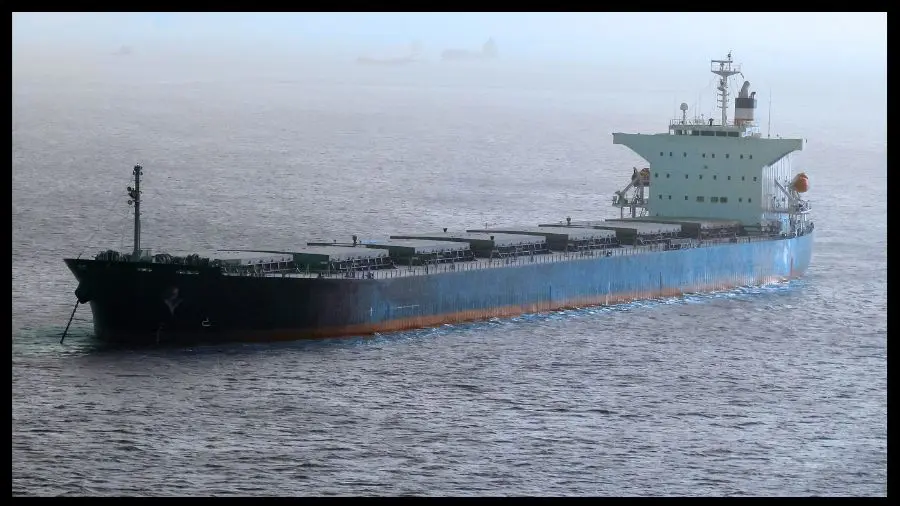
A reported blast near a tanker off Kuwait and a separate hull-damage incident near Iraq’s Khor al Zubair port are adding fresh evidence that the northern Gulf operating picture is deteriorating fast. The immediate issue is not only the incidents themselves, but the second-order effects that follow: vessels choosing to hold position, insurers tightening terms, and terminals and charterers building wider buffers into schedules as “routine anchorage” becomes a higher-exposure posture.
Subscribe to the Ship Universe Weekly Newsletter
Click here for 30 second summary of the full piece ▶
Northern Gulf incidents are now hitting ships at anchor
A tanker off Kuwait reported a large explosion on the port side while at anchor, with the crew reported safe, the vessel taking on water, and an oil leak observed. A small craft was reported leaving the area. Separately, a crude tanker near Iraq’s Khor al Zubair port reported signs consistent with hull damage after a blast, with a port ballast tank losing water while the ship remained stable.
- Kuwait incident: explosion near an anchored tanker, water ingress and oil leak reported; crew safe.
- Iraq incident: blast near Khor al Zubair, possible hull breach indicated by ballast tank water loss; ship stable.
- Operational takeaway: anchorage posture is becoming a higher-risk exposure, not a low-risk pause point.
| Reader shortcut | Case facts that matter | Continuity pressure points | Stakeholders most exposed | Next proof points |
|---|---|---|---|---|
| Explosion near tanker at anchor off Kuwait |
A tanker at anchor about 30 nautical miles southeast of Mubarak Al Kabeer reported a large explosion on the port side, with a small craft reported departing the area.
Crew were reported safe, with water ingress and an oil leak observed after the incident.
Anchorage incidents tend to change behavior quickly because ships are less able to maneuver.
Pollution risk + stability watch
|
Immediate effects include anchorage re-assessments, slower port approaches, and longer clearance and inspection cycles before resuming normal operations. | Tanker owners, terminals, and charterers with prompt Gulf scheduling, plus responders managing any spill containment. | Confirmation of damage extent, spill scope, and whether nearby vessels alter anchorage patterns in the next 24 to 72 hours. |
| Blast near Iraq port with indications of hull damage |
A Bahamas-flagged crude tanker near Iraq’s Khor al Zubair reported signs consistent with a hull breach after a blast, including a port ballast tank losing water.
The vessel was reported stable and afloat while assessments continued.
Ballast-tank water loss is a practical indicator because it can reveal structural compromise without immediate loss of stability.
Structural integrity + classification follow-up
|
Hull-damage events can trigger additional port controls, tug availability constraints, and potential berth sequence disruptions if movements are restricted. | Port operators, pilots and tugs, ship managers, and any cargo programs relying on tight berth windows. | Survey findings, temporary repairs plan, and whether the vessel is shifted, towed, or allowed to remain at anchorage. |
| Two locations, same pattern: small craft proximity risk |
Both incidents include reporting that a small craft was present near the vessel around the event window, raising questions about close-in threats in the northern Gulf operating area.
Even without attribution, this shifts operator posture because it changes perceived probability of repeat events.
Close-in threat posture
|
Operators may shift to shorter anchor holds, stricter watchkeeping, and altered approach timing, which can slow throughput and amplify congestion. | Owners with crews on high-alert duty cycles, and charterers managing laycan risk across multiple fixtures. | Any new maritime advisories, incident clustering, and whether holding patterns expand across additional anchorage areas. |
| Cost transmission is already visible in Gulf risk markets |
Damage incidents typically flow into higher war-risk terms and tighter coverage availability, and into freight premiums as owners price execution risk.
The key distinction is whether coverage is merely more expensive or becomes hard to place at all for certain voyages.
Insurance + freight reinforcement loop
|
Even small delays can reduce effective fleet supply in the Gulf, which can lift freight while delivery reliability deteriorates. | Oil and products charterers, LNG charterers, and trading desks pricing delivered cargo economics. | Watch whether premium quotes stabilize, and whether fixture flow returns to normal cadence or remains stop-start. |
| Environmental response can become the near-term bottleneck |
The Kuwait incident includes an observed oil leak, which can trigger response activity and operational controls beyond the damaged vessel itself.
Clean-up and safety zones can affect port approaches and anchorage behavior.
Operational controls + response capacity
|
Spill response and safety perimeters can slow traffic even if ports stay open, increasing waiting time and demurrage exposure. | Coastal authorities, terminal operators, nearby vessels, and charterers holding laytime risk. | Visible response posture, any temporary restrictions, and timeline for confirming the leak is contained. |
In the near term, the most reliable market signals will be operational, not political: whether vessels stay at anchor longer, whether port approaches slow, and whether coverage terms tighten enough to change fixing behavior. Two damage reports in the northern Gulf increase the odds that operators choose caution, which can tighten effective tonnage and create stop-start arrival patterns even without any formal closure.
Both events reinforce that being at anchor can carry meaningful exposure, not just transiting the chokepoint.
Oil leak and water ingress can trigger response zones and extra controls, while suspected hull damage can trigger survey and movement constraints.
Even small increases in waiting time can create a capacity squeeze when many ships choose to hold or when clearance cycles lengthen.
We welcome your feedback, suggestions, corrections, and ideas for enhancements. Please click here to get in touch.