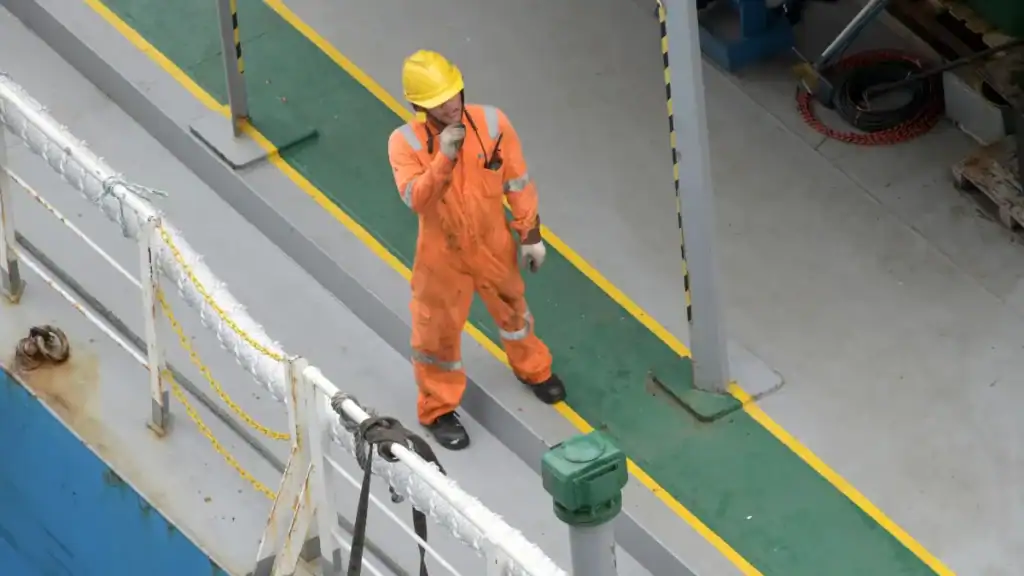
From record-high crew abandonment cases to rising suicides and a generational shift in work expectations, seafarers are facing one of the most challenging labor environments in modern shipping history. Despite international conventions and company guidelines, conditions at sea continue to strain the global maritime workforce. As regulators tighten standards and employers reevaluate onboard protocols, the industry is being forced to confront a hard truth: the human side of shipping is in crisis.
Seafarer Abandonment Crisis Accelerates
The global maritime labour crisis is deepening as vessel abandonment cases surge sharply in the first half of 2025. According to the International Transport Workers’ Federation (ITF), 158 cases had been recorded by May, up 33 percent from the same period in 2024. Over 1,500 seafarers have reached out for help, many left unpaid and stuck on vessels without food, safe water, or port access for extended periods.
As international oversight struggles to keep pace, the problem is most acute aboard vessels flagged under convenience registries. Investigators have recovered millions in unpaid wages, yet the growing scale of the crisis underscores urgent need for enforcement reform and support structures.
Surge in Crew Abandonment Cases
Metric
Details & Context
Case Numbers
158 vessel abandonment cases recorded by May 2025, up from 119 at the same point in 2024—a 33% rise.
Seafarers Affected
More than 1,500 crew members reached out for assistance. Many faced unpaid salaries, minimal provisions, and extended periods at sea without shore access.
Wage Recovery
In 2024, ITF recovered $13.5 million in unpaid wages for abandoned crews; total recovery efforts exceeded $58.1 million. In 2025 so far, $4.1 million recovered for affected seafarers.
Flagging Trends
Over 80% of abandonment cases involve vessels registered under Flags of Convenience (FOC), which tend to have weaker labor enforcement.
Humanitarian Impact
Crew members report prolonged confinement, lack of food and water, unpaid wages, and minimal access to ports. Some have stayed on board for months in hazardous conditions.
Regulatory Challenges
ITF and partners emphasize weak enforcement from flag states, jurisdiction gaps, and growing impunity as major risk drivers—fuelling calls for reform.
Note: Data sourced from ITF Seafarers and IMO/ILO abandonment reporting. Figures reflect both verified incident counts and wage recovery statistics. Flag of convenience figures drawn from ITF-listed registry data.
Mental Health Crisis Among Ship Crews
Mental health among seafarers has reached crisis levels in 2025, with suicides now surpassing accidental deaths aboard ships. Gard’s latest Crew Claims Report, covering over 3,000 claims and survey data from more than 6,000 seafarers, reveals a 25% uptick in fatality claims post-pandemic. Illness remains the leading cause of death, but stress-related conditions and self-inflicted fatalities are growing at a troubling pace. This statistic reflects systemic strain on the maritime workforce and reveals the urgent need for preventive measures focused on emotional wellbeing at sea.
Seafarer Mental Health Crisis Summary
Category
Insights & Context
Fatality Uplift
Fatal crew death claims rose 25% in the three years post-COVID compared to prior years, based on 2024 P&I claim data.
Primary Cause of Death
Illness accounted for 83% of fatalities, with stress identified as a factor in 8 of the 10 most common conditions among crew.
Suicide vs Accidents
Suicides accounted for 9% of crew deaths in 2024—exceeding fatal accidents, which made up 8%. These were often under-reported or misclassified cases.
Profile of Affected Crew
75% of suicide cases involved seafarers under 41 years old. Both junior and senior officers were affected, often in early-stage contracts and in isolated roles.
Root Causes
Key contributing factors include prolonged fatigue, social isolation, high-pressure schedules, and limited access to medical support or shore leave.
Operational Risk
Diminished mental wellbeing directly impacts operational safety: impaired situational awareness from sleep deprivation and emotional stress increases risk of human error.
Support Measures
Initiatives include Gard’s Mariners Medico Guide app for mental health self-assessment, anonymous helplines, and growing industry focus on psychological support and preventive training.
Note: Based on Gard’s Crew Claims Report 2025 and Crew Wellbeing Survey feedback from over 6,000 seafarers. Reflects mental health, fatality trends, and prevention strategies across the seafaring community.
Fatigue Soars Despite International Rules
New research from Cardiff University’s Seafarers International Research Centre shows that fatigue among maritime crews is deepening, even with international rest-hour rules in force. Over one-third of cargo ship seafarers report insufficient sleep in the prior 48 hours, citing long duty schedules, port pressures, vessel motion, and noise. Alarmingly, senior officers face higher anxiety-driven fatigue and some watch-keepers have fallen asleep on the bridge. A recent case involved a vessel running aground in Norway after port calls overloaded crew rest time, highlighting the growing safety implications of systemic exhaustion
Crew Fatigue Escalation
Focus Area
Key Insights & Context
Insufficient Sleep
More than one in three cargo ship workers reported inadequate rest in the 48 hours before the survey, despite MLC-mandated rest tracking.
Primary Fatigue Drivers
Excessive hours, port duties, vessel motion, noise, anxiety and homesickness are disrupting sleep patterns—especially among senior officers.
Safety Consequences
Fatigue contributed to a recent grounding in Norway after a watch officer reportedly fell asleep. Impaired alertness increases accident risk across collision, navigation, and procedure errors.
Falsified Records
Crew and senior officers reportedly admitted to manipulating work/rest logs to conceal non‑compliance with mandated rest periods.
Medical Access Gaps
Almost 20% of injured or ill cargo crew did not receive timely medical care due to lack of onboard medic or reliable telemedicine options.
Impact on Wellbeing
Chronic fatigue contributes to deteriorating mental health, lower job satisfaction, and higher turnover among seafarers under high workload and limited shore leave conditions.
Note: Based on Cardiff University SIRC survey data, Seafarers’ Happiness Index feedback, and media-reported incidents through late June 2025. Reflects ongoing crew fatigue risks and systemic challenges despite regulatory frameworks.
Generational Shift Reshaping Crew Retention
A profound workforce transformation is underway in maritime labor. According to a Danica Crewing survey, nearly 98% of modern seafarers actively search for new positions while at home, prioritizing quality of life over traditional contract norms. Meanwhile, almost 90% of companies increased wages in 2024 and retention rates rose modestly as a result. Yet, many operators say the talent gap is now about competence, not merely headcount. These trends point to a generational shift reshaping how shipping employers must recruit, retain, and engage their crews.
Generational Shift Reshaping Crew Retention
Focus Area
Insights & Context
Digital Talent Fluidity
According to recent surveys, 98% of younger seafarers were actively exploring new job options while on shore. They value autonomy, flexible contracts, and modern work environments.
Salary Uplift vs Competence Gap
Nearly 90% of employers raised wages in 2024, and 41% reported improved retention. Yet about one-third reported a declining intake of qualified crew, underlining a competence shortage.
Operational Complexity
Many companies lack holistic crew strategies: Danica data shows only 60% of operators use coherent recruitment, screening, and retention frameworks—undermining long-term stability.
Training & Onboarding Shortfall
Extended onboarding cycles (~12 months for a new master or superintendent) coupled with inconsistent systems increases turnover risk and slows productivity.
Retention Drivers
Priority retention factors now include career development, mental health support, internet access, and respectful workplace culture—beyond just salary.
Note: Based on Danica Crewing Crew Managers Survey 2024 and Safety4SEA analysis through mid‑2025. Reflects modern seafarer sentiment, retention metrics, and operational gaps.
IMO/ILO Adoption of New Fair Treatment Standards
In a landmark move this spring, the IMO Legal Committee formally adopted the "Guidelines on Fair Treatment of Seafarers Detained in Connection with Alleged Crimes", developed jointly with the ILO. These new standards, approved under tripartite consensus, mandate due process, protection against arbitrary detention, assured access to wages and medical care, and streamlined repatriation protocols. The adoption reflects a growing global priority to prevent unjust criminalization and ensure basic human rights for seafarers worldwide.
Fair Treatment Guidelines Adopted by IMO/ILO
Focus Area
Key Provisions & Implications
Document Origins
Developed by a joint IMO–ILO tripartite working group in Geneva (Nov 2024); adopted via IMO Legal Committee in March 2025.
Due Process & Detention Limits
Seafarers detained on alleged crimes must be treated fairly, detained only as necessary under law, with safeguards against coercion or intimidation.
Wages, Medical & Repatriation Rights
Crew must continue receiving wages and access to medical care and be repatriated, regardless of legal proceedings.
Stakeholder Coordination
Guidelines call for clear engagement among port States, flag States, home States, shipowners, and seafarers.
Abandonment Case Issue
IMO/ILO also highlighted alarm over rising abandonment—310 cases recorded in 2024, with 63 by February 2025—urging state-level enforcement of abandonment protocols.
Industry Endorsement
IMO, ILO, ITF and ICS jointly called for immediate enforcement of these guidelines, judicial training in maritime law, insurer participation, and rights awareness initiatives.
Note: Based on IMO Legal Committee decisions, ILO/IMO joint framework, and leadership statements from IMO, ILO, ITF, ICS—including reports through June 2025 on abandonment trends and legal protections.
As global trade continues to rely on the resilience of maritime crews, the pressures placed upon seafarers have never been more complex or more visible. Rising abandonment cases, mental health breakdowns, and evolving generational expectations are challenging long-standing norms across ship operations. While regulatory efforts like the IMO/ILO’s fair treatment guidelines mark essential progress, the road ahead will require deeper investment in people, not just protocols. For shipping companies, flag states, and labor groups alike, the question is no longer whether crew welfare matters, but how fast the industry can adapt to protect its most essential asset: the humans at sea.
News Summary
Category
Key Developments
Implications
Crew Abandonment
158 reported abandonment cases by May 2025, a 33% rise from 2024. Over 1,500 seafarers affected, with $4.1M in recovered wages to date.
Flag of convenience loopholes and weak enforcement fueling humanitarian and financial crises at sea.
Mental Health Crisis
Reported spike in anxiety, depression, and isolation among crews. Access to care remains limited in many fleets. Younger seafarers especially impacted.
Shipping firms face mounting pressure to provide digital wellness tools, access to remote therapy, and peer support programs.
Fatigue and Overwork
Despite MLC and STCW rules, enforcement remains inconsistent. Understaffed vessels and false reporting of rest hours continue to be widespread.
Rising safety concerns, operational risk, and liability exposure if fatigue-linked incidents increase.
Generational Shift
Younger crew members seek more transparent contracts, work-life balance, digital tools, and career advancement. Traditional retention models losing appeal.
Companies must modernize HR practices or risk accelerating attrition across junior ranks.
IMO/ILO Standards
New joint framework adopted in 2025 for fair treatment of seafarers during abandonment and criminalization. Designed to fill regulatory gaps and clarify port/state roles.
Improved guidance for legal proceedings and repatriation. Strengthens global accountability but requires ratification and enforcement follow-through.
Industry Response
More employers are piloting hybrid contracts, mental health hotlines, and crew retention tech. Unions and NGOs increasing pressure for rights enforcement.
Those who adopt proactive welfare strategies early may gain recruiting and insurance advantages.
Summary compiled from verified 2025 maritime labor incident reports, ITF wage recovery updates, ILO/IMO regulatory announcements, and industry case studies. All figures accurate as of June 2025.