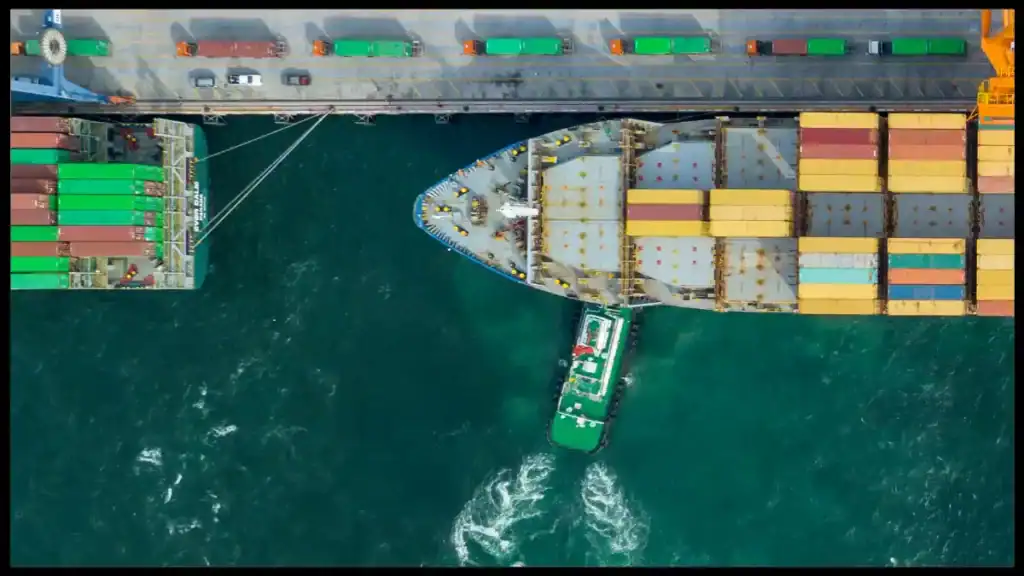
The maritime industry is accelerating its shift toward zero-carbon energy. From ammonia-powered bunkering in China to multi-million dollar clean fuel grants in Europe and energy hubs taking shape across continents, global infrastructure is rapidly adapting to meet ambitious net‑zero shipping goals.
Green Fuel Maritime Projects Tracker
Project / Event
Details
Region / Stakeholders
Strategic Significance
Construction of Ammonia‑Fueled Gas Carriers
CIMC Enric signed a contract with Amon Gas to build two (plus two optional) 51,000 m³ dual‑fuel LPG/ammonia carriers—the largest ammonia‑powered MGCs globally, with delivery slated for 2028.
Nantong (China), CIMC Enric & Amon Gas (Norway)
Sets benchmark for long‑range ammonia shipping, backed by Enova support and reducing carbon emissions in LNG value chain.
First Green Marine Ammonia Bunkering
Envision Energy completed green ammonia bunkering at Dalian port—fueled a tugboat with up to 91% ammonia substitution via production at Chifeng green hydrogen/ammonia complex.
First full value-chain deployment: production to bunkering—validates green ammonia for maritime refuelling at scale.
UK Awards £30 M Clean Maritime Grants
Through its Clean Maritime Demonstration Competition (CMDC6), UK awarded £30 million to projects developing hydrogen, methanol, ammonia, electric propulsion, and wind tech.
United Kingdom, Maritime Minister & Innovate UK
Accelerates coastal innovation and supports SMEs in deploying low-carbon maritime solutions.
Norway Invests $76 M in Hydrogen & Ammonia
Enova program allocated ~$76 million to support hydrogen and ammonia vessel projects and infrastructure including storage and ships.
Norway, Enova SF, maritime technology firms
Reinforces Norway’s leadership and helps scale clean-fuel maritime technologies domestically.
Yanmar’s HANARIA Wins Engineering Awards
Hybrid passenger vessel *HANARIA*, powered by hydrogen fuel cells, lithium-ion batteries and biodiesel, won both "Marine Engineering of the Year 2024" and “Ship of the Year 2024”.
Japan, Yanmar and MOL Techno‑Trade
Recognizes vessel-level innovation combining hydrogen and biodiesel, an early example in passenger segment.
Note: Developments compiled from public press releases and industry sources.
Industry Impact Overview: The maritime sector is witnessing a decisive shift toward green fuel innovation, with ammonia and hydrogen solutions moving from pilot to operational scale. Governments and industry leaders are aligning funding, infrastructure, and vessel design to shift away from fossil-based propulsion, increasing competition and accelerating adoption across global markets.
Key Impacts:
New fuel backbone emerging: Ammonia is gaining traction as a long-range alternative, while hybrid hydrogen-biodiesel systems prove viable.
Port infrastructure adapting: Bunkering terminals are upgrading to support ammonia operations at scale.
Public funding rising: Government grants and programs in UK and Norway are injecting over $100 million into decarbonizing maritime innovation.
Vessel-level innovation visible: Award-winning projects like HANARIA validate commercial deployment for coastal shipping.
Global leadership competition: China, Norway, UK, and Japan are competing for dominance in clean maritime technologies.
Strategic Impacts of Green Fuel Milestones
Trend Signal
Strategic Implication
Stakeholder Response
Outlook
Ammonia Bunkering Achieves 91% Substitution
Validates ammonia as viable marine fuel for short-medium voyages; port retrofitting gains urgency.
Asian port authorities begin revising fuel handling protocols.
Surge in bunkering tech investments and ammonia-readiness certifications.
Construction of Ammonia Gas Carriers
Signals commercial scaling of ammonia propulsion in deep-sea logistics.
Shipbuilders and class societies advancing fuel-handling safety frameworks.
Fleet owners eye futureproofing against EU FuelEU and IMO 2050 mandates.
UK & Norway Funding Programs
Marks a shift from R&D grants to deployment-stage subsidies and incentives.
Private capital co-investing alongside public funding, targeting vessel retrofits.
Competitive advantage shifts to regions with fiscal fuel innovation support.
Hybrid Passenger Ship Award (HANARIA)
Raises bar for commercial viability and public acceptance of hydrogen systems.
Passenger and tourism operators exploring zero-emission pilot routes.
Niche market validation triggers fuel cell demand among small ferry builders.
Green Fuel Ecosystem Momentum
Momentum now spans bunkering, ship construction, port retrofits, and public awards.
Classification bodies face pressure to modernize standards for ammonia/hydrogen fuels.
2025–2026 likely to see exponential regulatory and capital alignment activity.
Note: Table synthesizes market ripple effects based on maritime fuel advancements confirmed through multiple sources.