Tariff Turbulence as U.S. Trade Shifts Reshape Global Shipping Routes
Subscribe to the Ship Universe Weekly Newsletter
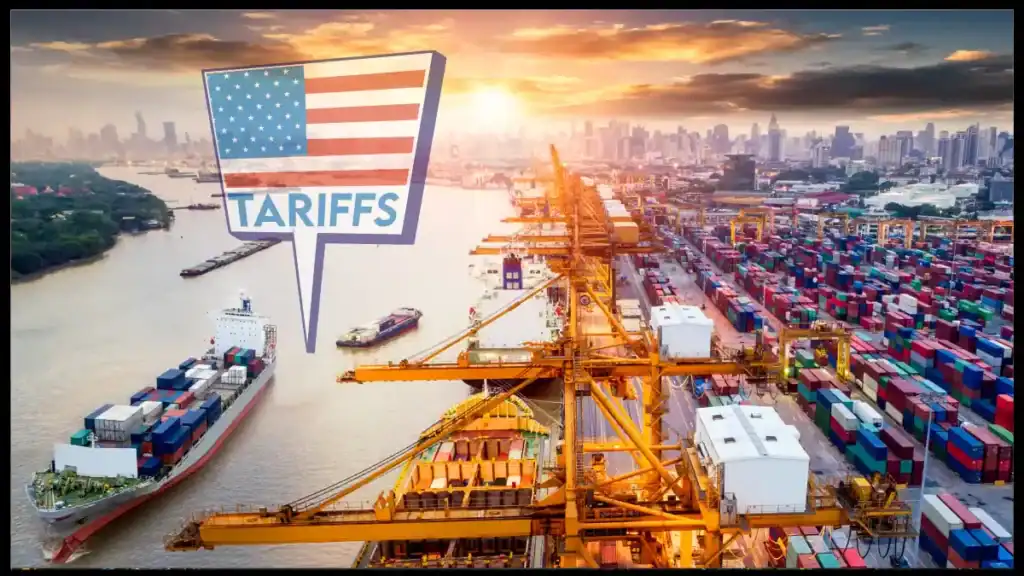
The latest wave of U.S. tariff announcements, targeting Chinese imports, foreign port cranes, and commodity shipments from countries like Brazil and the Philippines is triggering rapid realignment in global shipping operations. As manufacturing pivots toward Southeast Asia and war-risk pricing rises for key commodity lanes, maritime carriers, lessors, and port operators are bracing for a volatile second half of 2025. While intended to protect domestic industry, the ripple effects of these tariffs are already reshaping trade volumes, routing decisions, and vessel deployment strategies.
Industry Impact Overview:
The 2025 wave of U.S. tariffs is creating shockwaves across maritime logistics, triggering immediate shifts in trade patterns, operational costs, and strategic planning. While the primary targets are geopolitical, namely China and select resource-exporting countries, the aftershocks are being felt across global shipping lanes, from Asia to South America. Ports, carriers, and vessel lessors are now navigating a fast-evolving landscape defined by route uncertainty, compliance complexity, and rising costs.
Key Impacts:
- Trade Lane Volatility: Increased tariffs are forcing rerouting of cargo to alternative manufacturing hubs like Vietnam, India, and Mexico—redefining demand for port access and feeder services.
- Equipment and Port Strain: Proposed duties on Chinese-built port cranes are threatening terminal upgrade timelines and sparking fears of long-term infrastructure delays at U.S. ports.
- Dry Bulk Reallocations: Commodity tariffs (copper, rubber, nickel) are reshaping bulk shipping routes, with more demand for alternative suppliers in Africa and Southeast Asia.
- Carrier Strategy Overhaul: Vessel operators are now reconfiguring capacity deployments, with mid-size vessels seeing a surge in bookings along newer lanes less dependent on China.
- Documentation & Customs Risks: Uncertainty over transshipment rules is prompting costly audits, revised manifests, and legal consultations to avoid fines and classification issues.
We welcome your feedback, suggestions, corrections, and ideas for enhancements. Please click here to get in touch.