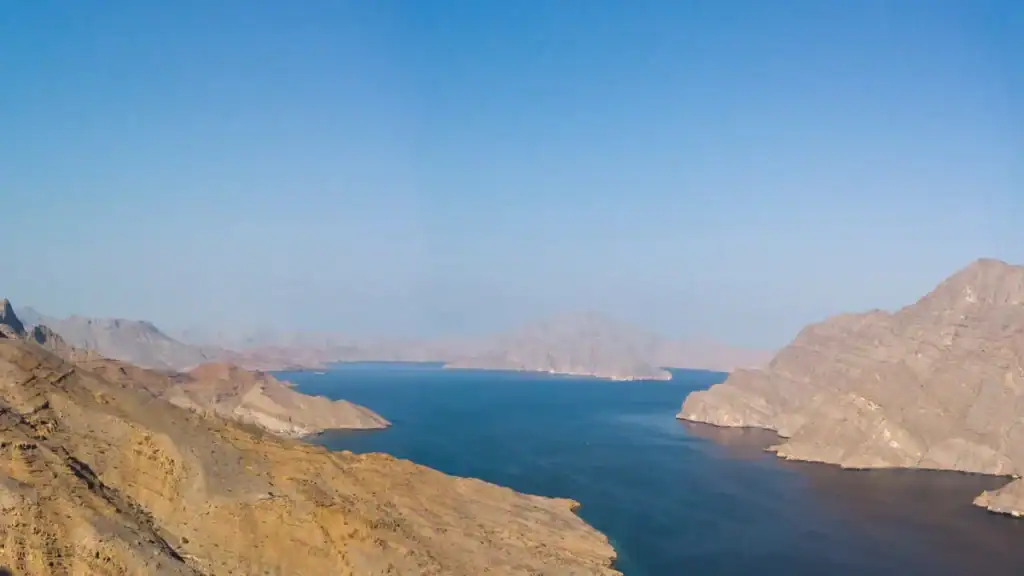
Shipping traffic through the Strait of Hormuz continues under close surveillance as regional tensions intensify following airstrikes on Iranian nuclear infrastructure. While legislative steps inside Iran signal the strong possibility of a temporary closure of the strait, no such measure has been enacted so far. Despite the high-stakes environment, most global carriers are maintaining their routes while closely monitoring developments.
The strategic waterway, responsible for roughly 20 percent of global oil shipments, has emerged as a focal point once again. Over the past week, the balance between open navigation and regional security has become increasingly fragile. Although ships are still transiting, there are signs of heightened caution and readiness among both commercial operators and maritime security coalitions.
Roughly 20% of global oil demand flows through this chokepoint
Daily LNG Transit Volume
~25% of global LNG exports
Vital for Asian markets reliant on Qatari gas
Narrowest Width
21 nautical miles
Shipping lanes constrained, increasing risk during conflict
Key Exporters Using the Strait
Saudi Arabia, UAE, Iraq, Iran, Kuwait, Qatar
Their energy exports depend on access to international markets via the strait
Strategic Shipping Route Users
China, India, Japan, South Korea
Heavily reliant on uninterrupted flows of Gulf oil and gas
Alternative Routes Available
Very limited
No scalable pipeline or maritime alternative exists for comparable volume
Note: Data based on public estimates from energy agencies and maritime traffic assessments.
Parliament Resolution Signals a Shift
Iran’s parliament has passed a resolution proposing the temporary closure of the Strait of Hormuz in response to recent U.S. military actions. The resolution does not enforce immediate action, but it has been formally sent to the country’s top security council for evaluation. While no closure has occurred, the legislation itself is a clear indicator of the rising seriousness with which Iran is treating the current situation.
Key points:
A parliamentary vote authorizing temporary strait closure under national security conditions
Final decision pending with Iran’s Supreme National Security Council
No official maritime restrictions announced as of June 22
Global observers monitoring for changes to shipping access or new advisories
Timeline of Key Developments in the Strait of Hormuz
Date
Event
Source
Effect
June 13, 2025
U.S. carried out airstrikes on Iranian nuclear sites.
IAEA non‑compliance report noted prior
Triggered discussions in Iran on retaliatory measures.
June 17–19, 2025
Iran’s parliament approved a resolution to permit possible strait closure.
Press TV, Iranian state media
Raised global concern; decision now with national security council.
June 21–22, 2025
Two supertankers reversed course before entering the strait.
Vessel‑tracking data, Greek authority alerts
Showed shipping caution; no traffic stoppage yet.
June 22, 2025
Oil prices jumped ~6 %, briefly reaching mid‑$70s per barrel.
Brent futures market data
Reflected heightened risk premium around strait disruptions.
June 22, 2025
Iran Supreme National Security Council to review closure motion.
Press TV, Reuters
Final legal step; no closure implemented yet.
Note: Based on verified tracking data, market indicators, national media, and international observer.
Tanker Movements Reflect Real-Time Caution
Although no formal navigational restrictions have been placed on the area, recent tanker behavior suggests increased situational awareness. At least two large crude carriers were observed reversing course or adjusting routes near the entrance to the strait within the past 48 hours. These maneuvers, while not unprecedented, are unusual enough to reflect a level of operational caution.
Observed behavior:
Course corrections and U-turns by vessels near the northern strait corridor
Increased reporting of zig-zag routing to avoid restricted waters
Greek and other European shipping authorities issuing cautionary transit guidance
Vessel tracking data shows slower average transit speeds through the area
Vessel Behavior and Operational Measures – Strait of Hormuz
Operational Activity
Vessel Type
Observed Behavior
Purpose/Effect
Course Corrections
VLCC crude carriers
U-turns (e.g., Coswisdom Lake, South Loyalty)
Avoid entering strait amid heightened risk
Route Adjustments
Container & LNG vessels
Minimized Gulf transit time; rerouted along Oman side
Reduces exposure to potential escalation zones
Speed & Timing Modifications
All commercial vessels
Slower transit speeds; daylight-only movement near strait
Enhances safety and surveillance coordination
Monitoring and Alerts
Ships from Maersk, NYK, MOL
24/7 surveillance; route management advisories
Ensures timely response to shifting security conditions
Note: Observations compiled from real-time vessel tracking, security capability updates, and industry reports.
Oil Markets React Swiftly
The energy sector responded quickly to the increased uncertainty. Brent crude surged by over six percent following the announcement of the Iranian parliamentary vote, reaching levels not seen in several months. Analysts estimate that current geopolitical conditions have added a risk premium of between 10 and 15 dollars per barrel to global oil prices.
Market reactions:
Brent crude rose to approximately $76–77 per barrel
WTI crude followed with similar momentum
Traders citing geopolitical risk premium built into futures pricing
No direct supply disruption, but market highly sensitive to signaling
Carriers Remain Operational but Watchful
Major carriers including Maersk and others continue to transit the Strait of Hormuz, though with enhanced monitoring protocols. Vessel tracking and real-time route intelligence are being prioritized by fleet operators. So far, there has been no formal diversion or public notice of service suspension.
Carrier and fleet actions:
Commercial shipping continues but with increased onboard alerts
Security protocols in place for strait approaches and exit corridors
Route planning software now integrating Gulf-specific watch zones
Operators prepared to reroute vessels quickly if conditions escalate
International Maritime Security Remains Active
Multinational naval task forces remain on standby near the Strait of Hormuz, with patrol activity increasing slightly over the past 72 hours. Organizations such as the International Maritime Security Construct and regional defense groups continue to monitor vessel movements and signal presence.
Security activity:
Coalition patrols maintaining presence in nearby waters
Maritime awareness efforts shared with port state control authorities
No interdictions or vessel detentions reported
Military coordination ongoing with major Gulf port nations
The next several days will be crucial in determining whether current posturing translates into policy or remains a symbolic warning. Meanwhile, ships continue to pass through the strait, signaling both resilience and caution in one of the world’s most watched maritime corridors.
News Summary
Topic
Key Insights
Implications
Strait of Hormuz Oil Flow Importance
20% of global oil supply moves through the Strait; any threat to access has ripple effects on global markets.
Rising fuel transport costs, heightened insurance sensitivity, potential for regional instability.
Parliamentary Resolution in Iran
Symbolic resolution passed allowing temporary closure of the Strait if provoked; not yet implemented.
Possible trigger for insurance adjustments and caution among shippers and logistics managers.
Vessel Traffic Changes
VLCCs and containerships have altered courses, delayed passage, or increased AIS silence near the Strait.
Unpredictable delivery timelines and rerouting expenses impacting both oil and general cargo sectors.
Port Authority Measures
UAE and Omani ports issued new guidance, increased naval coordination, and checkpoint controls.
Reassures carriers but also confirms seriousness of emerging threats in the Gulf shipping corridor.
Shadow Fleet Tanker Activity
650+ tankers delisted by Panama over suspected fuel smuggling; linked to sanction evasion.
Increased vessel invisibility adds challenges to global maritime governance and security efforts.
Insurance and Rate Risks
War risk premiums may increase; freight rates could rise due to delays and route detours.
Uncertainty in route planning and contract negotiations for energy and container carriers.
Recent Timeline of Developments
June 14–23 saw consecutive developments from legislative signals to satellite-confirmed route shifts.
Signals timeline for escalation monitoring and helps guide strategic shipping decision-making.
Operational Shifts by Carriers
Companies implementing daylight-only crossings, routing briefings, and tighter vessel monitoring.
Demonstrates active operational responses even in absence of formal restrictions.
Wider Geopolitical Implications
The situation ties into larger patterns of geopolitical volatility, enforcement measures, and strategic risk planning.
Broader call for redundancy in supply chains and adaptive shipping routes across global markets.
Note: Compiled using verified maritime intelligence and real-time developments across regulatory, security, and logistics channels.