Summer Drought Causes Severe Rhine Freight Disruptions
Subscribe to the Ship Universe Weekly Newsletter
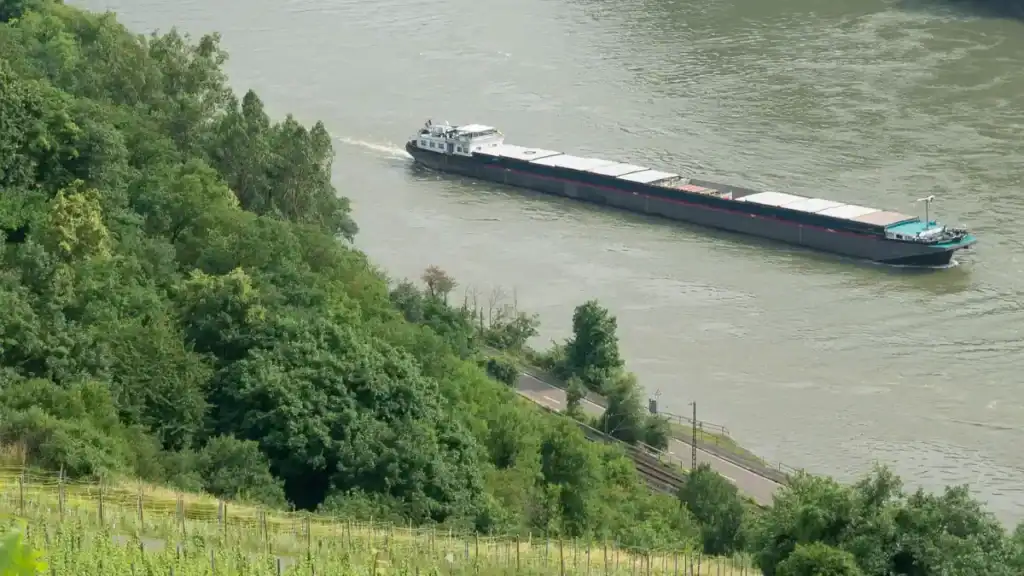
A heat wave in Western Europe has drastically reduced water levels on Germany’s Rhine River, especially at key chokepoints such as Kaub, Cologne, and Duisburg. River freight vessels are now forced to sail with only 40–50% cargo capacity in these areas.
Immediate Consequences:
- Operators are imposing surcharges to compensate for reduced tonnage and increased vessel use.
- Commodities such as grains, coal, minerals, and heating oil remain in transit, but delivery is slower and more expensive due to the need for multiple shipments.
- Forecasts predict continued record temperatures, with no immediate relief expected to raise water levels.
In early April, the lack of rainfall had already pushed freight costs from €34 per tonne to €80 on routes such as Rotterdam to Karlsruhe—and caused vessels to operate well under capacity.
Broader Freight Bottlenecks Amplify Costs
Major European Ports Operating at Capacity
Ports in Rotterdam, Antwerp, and Hamburg are under strain. Multiple disruptions are converging, including changes in shipping alliances and shifting trade flows driven by U.S. tariffs on Chinese exports.
Key Impacts:
- Barges are waiting over 60 hours for loading in Antwerp and more than 77 hours in Rotterdam.
- Container vessels are delayed by several days, complicating inland transfers and delivery scheduling.
- Midstream rail and road logistics are overloaded as contingency routes are activated.
Compounded Disruption Drivers:
- Alliance shifts, like the end of cooperation between MSC and Maersk, have forced carriers to reassign terminals and adjust schedules rapidly.
- Shifts in importing patterns, such as increased volumes from Asia into Europe, are amplifying port congestion, especially at terminals designed for global throughput.
Historic Context of Rhine River Impacts
Low Rhine water levels are not unprecedented. Severe dry spells in 2022 triggered similar supply chain constraints, with vessel capacity halved and elevated costs confirmed for weeks on end. The Kaub gauging station remains critical for navigation: once levels fall below 75 cm, cargo capacity falls to 25%, and navigation becomes almost impossible at 40 cm or lower.
Timeline of Freight Disruptions in 2025
- March to April: prolonged low rainfall causes water levels to drop significantly. Cargo vessels operate at half capacity, freight costs surge, and shippers spread loads across multiple barges .
- Mid‑April: end‑user forecasts optimistic rainfall, raising water levels slightly to around 80% capacity near Duisburg, yet overall disruption persists.
- Late June: extreme heat spikes water loss again, reinstating low-volume sailing, resultantly higher freight rates, and ongoing rack-up of basin-wide shipping delays.
Ripple Effects on Supply Chains
Economic & Operational Pressure Points:
- Inland manufacturing hubs and power plants face potential production delays if raw material transport slows significantly.
- Commodity pricing volatility arises from variation in delivery speed and capacity. Barge operators demand higher fees to offset inefficiencies.
- Long‑term infrastructure constraints cross with aging port systems, limiting near-term ability to scale throughput.
Strategic Adaptations:
- Logistics providers explore alternative transport methods such as rail and road for inland delivery, often at higher cost.
- Terminal operators are urgently recruiting labor and deploying new equipment to ease backlogs.
- Carriers are reviewing route realignment strategies, contingency routing, and scheduling flexibility to reduce exposure to volume spikes and inland disruption .
While these disruptions pose immediate logistical challenges, several responses are under way:
- Cargo routes are adjusting and freight carriers are exploring new inland logistics corridors.
- Port authorities and operators are activating emergency throughput protocols and hiring surge labor.
- Long-term infrastructure projects, such as deepening river channels or upgrading terminals, may receive renewed urgency.
Despite the pressure, essential infrastructure, ports, barges, inland terminals, are still processing cargo. The focus now is on stabilizing delivery timelines and reducing bottlenecks while weather and river conditions evolve.