Ships Hit Again Near Hormuz on Day 12 as Projectile Strikes Force Fresh Route Pauses
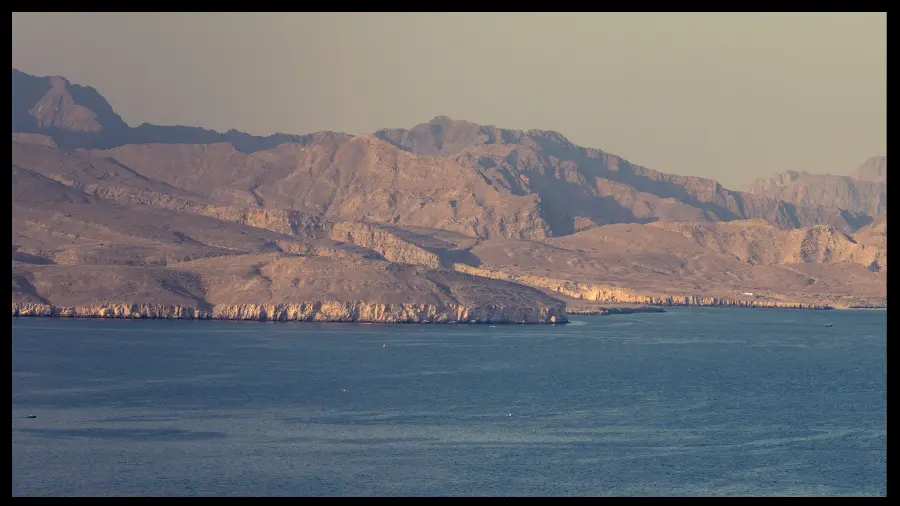
Day 12 delivered a sharp escalation for commercial traffic near the Strait of Hormuz: three separate vessels were struck by projectiles within hours, including a shipboard fire north of Oman. Crews were reported safe, but the pattern matters more than the single events. Attacks across multiple locations, plus reports of ships moving toward safe anchorages, reinforces that the risk is no longer theoretical and that “waiting time plus insurability” is becoming the gating factor for transits.
Subscribe to the Ship Universe Weekly Newsletter
Click here for 30 second summary ▶
Day 12 strikes reinforce that the corridor is being priced like an active hazard zone
Three vessels were struck by projectiles in and around the Strait of Hormuz in a short window, including one incident that caused a shipboard fire north of Oman. Separate reports described damage to another vessel near the UAE coast and a third case further northwest, with crews reported safe. The operational signal is that ships are being pushed toward safe anchorages, and transits are becoming conditional on risk acceptance and cover terms rather than ordinary scheduling.
- Pattern shift
Incidents clustered across multiple locations, not a single isolated point. - Immediate operational effect
More “hold and wait” behavior, rerouting, and slower corridor flow as ships avoid predictable patterns. - Market translation
Higher waiting time and tighter vessel willingness become the fastest driver of freight and surcharge volatility.
| Lane | Incident snapshot | Shipboard outcome | Immediate vessel response | Commercial transmission | Next confirmations to watch |
|---|---|---|---|---|---|
| North of Oman |
Reported projectile strike around 11 nautical miles north of Oman in the Strait.
High-visibility event
|
Fire reported, later described as extinguished with a reduced crew remaining onboard.
Crew safety was reported as maintained.
|
Evacuation posture was reported early, then shifted to controlled onboard management after the fire was contained. | Operators treat the corridor like an active hazard zone, tightening acceptance and reducing time stationary in exposed waters. | Additional updates on damage severity, tow or escort needs, and whether nearby ships re-time transits after the event. |
| UAE near-coast |
Separate damage reported to a container vessel off the UAE coast, described as minor.
Operational but disrupted
|
Minor damage reported, vessel described as still operational. | Reported movement toward a safe anchorage, consistent with a “stabilize first” posture after impact. | Even “minor damage” events cause schedule breaks: anchorage time, inspections, and re-approval steps become gating items. | Port authority communications, inspection outcomes, and whether the vessel resumes its planned rotation or is substituted. |
| Northwest of Dubai |
A further projectile impact was reported farther northwest, with hull damage described.
Wider-area reach
|
Hull damage reported; crew safety reported intact. | Likely shift toward conservative speed, avoidance of stationary time, and movement into safer waters for assessment. | Demonstrates multi-point risk: it widens the perceived footprint, which reduces willingness and pushes pricing discontinuities. | Whether additional incidents appear in the next 24 hours, and whether advisories change recommended movement patterns. |
| Traffic pattern |
Attacks occurring within hours can trigger a corridor “valve effect” as ships wait, then release in waves.
Queue dynamics
|
The binding constraint becomes safe staging and predictable escort or routing windows, not port productivity. | Increased loitering and anchorage behavior, with stronger preference for daylight windows and verified cover. | Waiting time becomes the hidden cost driver that sustains high freight even if cargo demand is unchanged. | Anchorage crowding, navigation warnings, and any updated risk level notes covering the wider operating area. |
| Insurance posture |
After clustered incidents, cover confirmation and premium settlement often becomes the pacing factor for movement.
Administrative gating
|
Transit becomes conditional: paperwork and premium confirmation can delay a ship even when it is physically able to sail. | More conservative routing and reduced stationary time, especially near predictable choke points and anchorages. | Additional premium plus time cost moves straight into voyage economics and can trigger surcharges for cargo. | Any changes to listed areas, cancellation posture, or confirmation requirements tied to specific waters. |
Clustered strikes create two costs that compound quickly: extra time (waiting, staging, rerouting) and extra cash (risk premium and security-related charges). This estimator converts those into a single exposure view so ops and chartering teams can brief stakeholders with consistent numbers.
We welcome your feedback, suggestions, corrections, and ideas for enhancements. Please click here to get in touch.