Seizure at Sea as U.S. Boards and Seizes Russia-Flagged “Marinera”
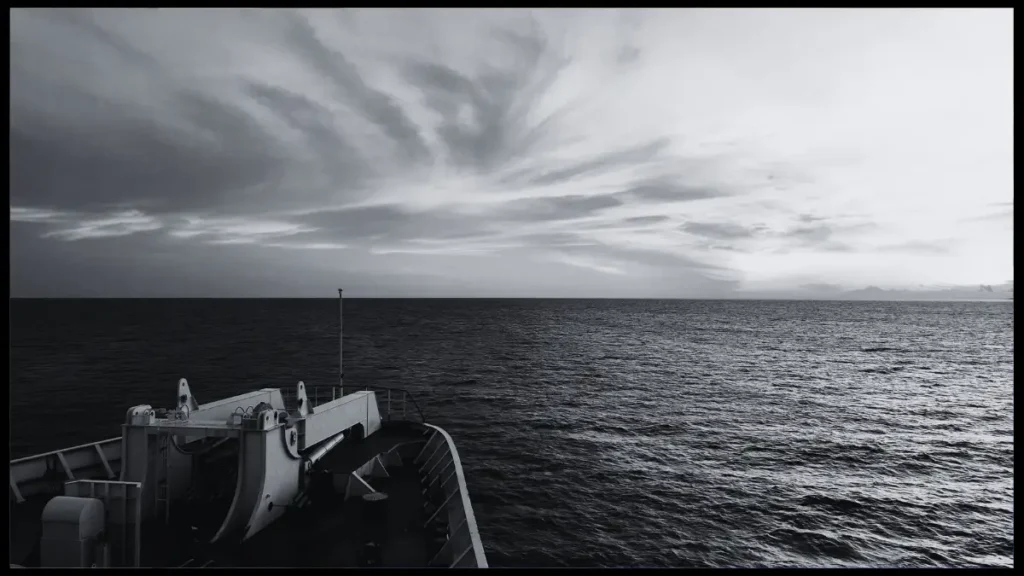
A U.S. interdiction operation ended with American forces taking control of the Russia-flagged oil tanker Marinera (reported previously as Bella-1) in the North Atlantic after it fled a prior attempted boarding in the Caribbean. Coverage describes it as an unusually escalatory move for sanctions enforcement, and multiple outlets frame it as the first known U.S. seizure of a Russian-flagged vessel in this context.
Subscribe to the Ship Universe Weekly Newsletter
Two-tanker sequence turns compliance risk into operational risk
The U.S. seizure of the Russia-flagged tanker Marinera (reported as previously named Bella 1) in the North Atlantic, alongside a second seizure of the tanker Sophia in the Caribbean, is being treated by market participants as more than a single interdiction. The shipping relevance is the method: enforcement action that ends with demonstrated physical control changes how counterparties price delay risk, not just how they screen paperwork.
What makes this a “bigger than one ship” signal
The operation stretched across ocean space, not just a port or a choke point
Reporting describes a pursuit that began in the Caribbean and ended with the boarding/seizure near Iceland in the North Atlantic, under a U.S. court warrant.
Back-to-back actions imply operational tempo
The Marinera seizure and the Sophia seizure happening in the same cycle shifts market perception from “one-off enforcement” toward “repeatable capability.”
Flag and AIS tactics face a more direct challenge
Coverage around this episode highlights evasion behavior as part of the story, and the seizure outcome increases sensitivity around identity, ownership chains, and transponder behavior.
Sequence snapshot (reported)
Attempted stop, then flight
The tanker was described as evading an earlier attempted boarding and then heading across the Atlantic.
Tracking under warrant
Statements cited in coverage describe tracking “pursuant to” a U.S. federal court warrant.
Boarding and seizure
The boarding/seizure was reported near Iceland, with U.S. Coast Guard involvement and supporting assets referenced.
This is a high-level sequence for maritime readers. Specific timings and asset details vary by outlet and official statements.
Interactive lens: “screening intensity” and delay sensitivity
This is a qualitative lens to help readers translate an enforcement escalation into likely operational friction. It does not label any specific vessel beyond what is publicly reported, and it is not a compliance instruction.
Trade exposure lane
Sanctions-sensitive corridor
Documentation readiness
Heavy review likely
AIS and identity clarity (proxy)
Higher sensitivity
Extra time added per voyage (days)
2.0 days
Screening intensity: Elevated
Operational friction signal: High
This lens is designed to reflect the market’s reaction to physical seizure capability, not to judge any specific operator.
Delay risk
Elevated
Inspection or intervention sensitivity
High
Charter-chain scrutiny
Elevated
If enforcement actions remain frequent, market participants tend to treat time risk (missed laycans, port delays, re-routing) as a more important variable than a single freight headline.
Watchboard: signals traders and operators typically track next
- Whether additional boardings/seizures follow quickly, indicating a sustained campaign rather than an isolated action.
- How rapidly flags and ownership chains shift in response, and whether port states tighten screening for similar profiles.
- Whether “clean-chain” tonnage premiums widen versus higher-friction tonnage in the Caribbean and Atlantic.
- Changes in routing behavior, including more conservative paths and fewer ambiguous port calls while uncertainty is high.
The seizure of Marinera, paired with the detention of Sophia, is being read as a step change in how sanctions enforcement can show up in day-to-day tanker operations. Beyond the immediate ships involved, the market focus shifts to whether similar actions continue, how quickly counterparties tighten eligibility and documentation standards, and whether Atlantic and Caribbean fixtures begin to price in more schedule buffer for inspection, delay, and rerouting risk.
We welcome your feedback, suggestions, corrections, and ideas for enhancements. Please click here to get in touch.