Secondhand Tanker Sales Heat Up in 2026 as Owners Cash Out Older Tonnage
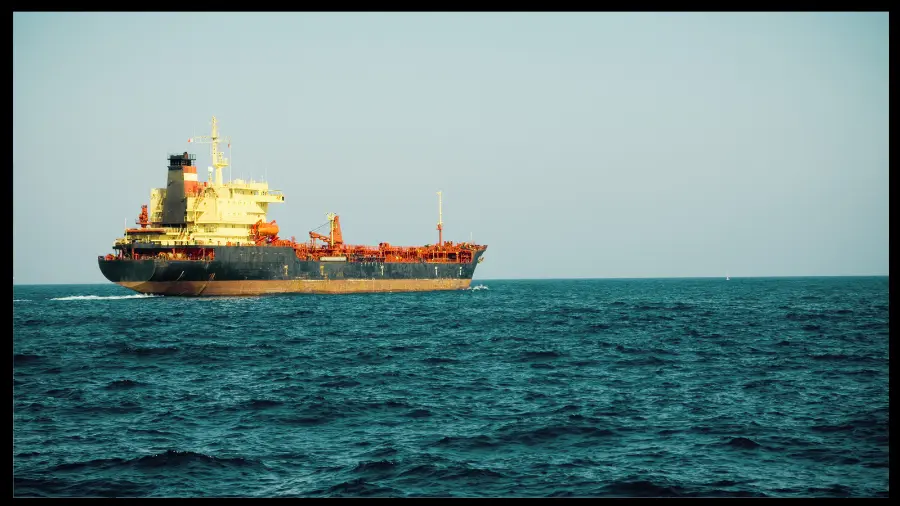
Tanker secondhand activity in 2026 is being driven by a simple mix: freight strength in parts of the market, heavy interest in mid-age crude tonnage, and a steady stream of owners selling older ships while prices remain firm. Hafnia’s confirmation of a 10-ship package sale is a clean example of the theme: portfolio renewal through disposals, even while charter markets stay active.
Subscribe to the Ship Universe Weekly Newsletter
Click here for 30 second summary ▶
Secondhand tanker sales accelerate as owners recycle capital
2026 tanker sale and purchase activity is active across crude and product segments, with pricing supported by strong earnings in parts of the market and demand for mid-age ships. Hafnia confirmed a package sale of 10 ageing tankers to external buyers as part of fleet renewal, with deliveries pending. At the crude end, large-scale buying interest and rising benchmark values are being cited by shipbrokers in weekly market reports.
- Headline deal
Hafnia confirmed the sale of 10 ageing tankers (four LR1, two MR, four Handy) to external parties, pending delivery. - Pricing marker
Shipbroker reports show secondhand VLCC values rising, with 10-year benchmarks cited around or above $100m in late February. - Deal tape reality
Broker weekly sheets in February list multiple tanker transactions and en-bloc packages, suggesting liquidity remains strong at current price levels.
| Deal lane | 2026 development | Ships and age profile | For buyers | Impact that shows up first | Next gates to watch |
|---|---|---|---|---|---|
| Hafnia sale package |
Hafnia confirmed sales to external buyers covering 10 ageing tankers as part of fleet renewal, with deliveries pending.
Products En-bloc flavor
|
Reported as four LR1, two MR, four Handy. Trade press listed LR1 names including Hafnia Shinano, Hafnia Seine, Hafnia Yangtze, Hafnia Zambesi among the package.
Aging profile concentrates in late-2000s and early-2010s builds.
|
Buyers are still paying for earning optionality on older product tonnage, especially when the ships have known trading histories and workable specs. | More owners copy the playbook: sell aging ships into a liquid tape while newer eco tonnage is delivered or on order. | Closing cadence and whether more public owners disclose similar disposal bundles during Q1 and Q2 2026. |
| Crude mega-buying appetite |
Broker commentary in late February highlights continued secondhand VLCC buying interest and rising price levels.
VLCC Price pressure
|
One broker report cites 10-year VLCCs going for more than $100m and compares that to mid-80s millions earlier in December. | Buyers appear comfortable paying for scale and optionality when freight is strong and availability of mainstream ships is tighter. | Owners get firmer on price, especially for tier-one crude tonnage that can trade cleanly with top charterers. | Whether high crude earnings persist long enough to keep secondhand prices elevated into mid-2026. |
| Printed deal tape, February |
Weekly shipbroker sheets show multiple tanker transactions and notable en-bloc trades, including 2022-built suezmaxes sold in a package and several older coated product tankers changing hands.
Multiple segments
|
Examples from broker reporting include a 2012-built VLCC sale print and multiple product tanker sales in the 2006 to 2010 build range. | The print suggests a mix of strategies: newer high-spec ships bought for longevity plus older ships bought for cash-flow optionality. | Higher turnover tends to tighten availability for “clean, tradable” ships and raises the value of well-positioned vessels with near-term employment. | Watch whether more sellers emerge as prices rise, and whether buyers shift down the age curve if pricing stretches. |
| Secondhand concentration story |
Market reporting highlights growing concentration in VLCC ownership and operation, alongside a surge in VLCC spot earnings in late February.
Availability Freight backdrop
|
Reuters reporting notes Sinokor’s emergence as a major VLCC operator and cites tight mainstream availability partly due to older vessels shifting into the sanctioned shadow fleet. | When large buyers accumulate crude tonnage, owners can gain negotiating power on both freight and asset prices. | Charterers care about compliance and insurability. That can widen the premium between mainstream ships and shadow-adjacent tonnage. | Any further sanctions moves, seizures, or legal pathways to scrap detained vessels that change the effective supply picture. |
| Value grid on brokers’ desks |
Broker value tables in late February show benchmark tanker value levels by age and class, offering a clean anchor for negotiation ranges.
Benchmarks
|
One weekly report lists indicative values such as VLCC 10-year and MR 10-year levels alongside newbuild and resale numbers. | In a liquid market, benchmark tables become negotiation shorthand and can speed up or harden pricing discussions. | Expect faster pricing convergence during bids, with less “wide spread” between buyer and seller expectations. | Whether freight cools, financing shifts, or supply changes enough to reset benchmark tables during 2026. |
In a busy secondhand market, operations often look normal until a few pressure points show up: billing clocks, data custody, insurance and vetting posture, and tighter commercial terms on older ships that still have earning optionality. Hafnia’s 10-ship package is a clear case of a large owner rotating capital out of aging product tonnage while the tape is liquid.
We welcome your feedback, suggestions, corrections, and ideas for enhancements. Please click here to get in touch.