Saudi Reopens the Red Sea Escape Route at Full Strength
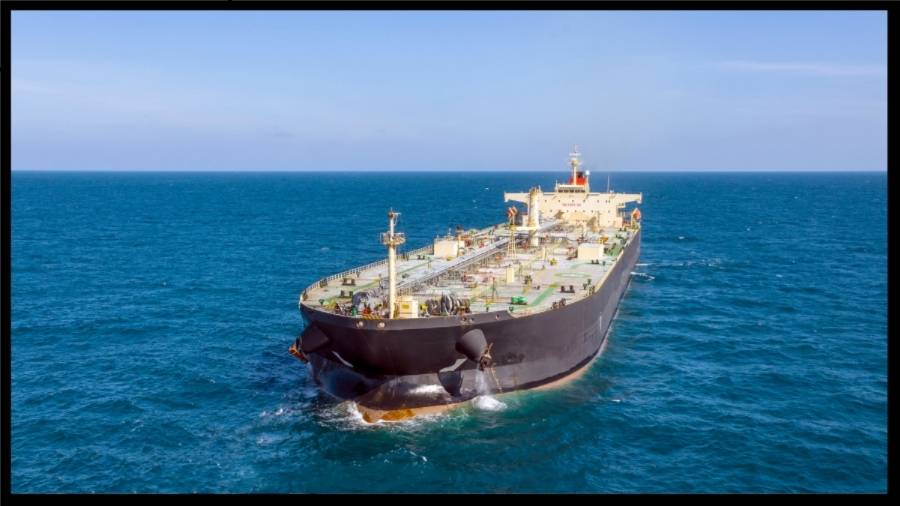
Saudi Arabia has restored the East-West crude pipeline to its full 7 million barrels per day capacity after attacks linked to the Iran conflict cut throughput and knocked out part of the kingdom’s upstream and midstream system. The restoration was announced on April 12 and follows several days in which the line had become even more strategically important than usual because it was Saudi Arabia’s only crude export route that bypassed the Strait of Hormuz during the blockade period. Officials said the earlier attacks had reduced pipeline throughput by about 700,000 barrels per day and cut national oil production by around 600,000 barrels per day, while recovery work also brought back output from the Manifa and Khurais fields.
Subscribe to the Ship Universe Weekly Newsletter
Click here for 30 second summary ▶
The bypass line is back at full force and the kingdom is leaning on it again
Saudi Arabia says the East-West Pipeline has been restored to its full 7 million barrels per day capacity, reversing the losses caused by recent attacks on energy infrastructure and re-strengthening the kingdom’s main Red Sea route out of the Gulf chokepoint. The restoration matters because the line has been carrying the strategic burden of moving crude away from Hormuz-linked risk, with Yanbu becoming the essential export outlet on the western side of the kingdom. The latest update also fits a broader recovery effort that included restoring output at Manifa and work continuing at Khurais, both of which had been hit in the same wider strike wave.
| Export lane | Latest marker | Immediate operating read | Why it matters now | Commercial consequence | Next checkpoint |
|---|---|---|---|---|---|
| Pipeline restoration | Saudi Arabia says the East-West pipeline is back at full 7 million bpd capacity. Full bypass throughput restored | The kingdom has recovered its main non-Hormuz crude artery after attacks cut throughput. | This route became the backbone of Saudi crude exports when Hormuz-linked flows were under extreme strain. | Restored capacity reduces the chance of a forced export squeeze if Gulf routing risk rises again. | Watch whether Saudi consistently keeps the line near full use or eases flows back if Hormuz stabilizes further. |
| Pipe capacity versus export capacity | The line can move 7 million bpd, but recent reporting says roughly 5 million bpd of crude was flowing out of Yanbu, plus product exports. Pipeline and port are not the same thing | Full pipe restoration does not automatically mean the export side can scale without terminal and scheduling constraints. | The real crisis value comes from combining pipe flow, refinery demand, terminal loadings, and tanker availability. | Traders watch not just the headline pipe number but how much actually leaves Yanbu on water. | Watch whether Yanbu crude loadings stay near recent highs or push even higher if rerouting remains necessary. |
| Attack aftermath | Earlier attacks cut pipeline throughput by about 700,000 bpd and total Saudi output by about 600,000 bpd. Recovery from real damage | This was not a precautionary slowdown. The system had absorbed measurable damage and output loss. | That makes the restoration more important because it shows the kingdom can recover strategically vital energy infrastructure quickly. | Recovery speed matters directly to market confidence in Saudi supply reliability. | Watch whether any new attacks shift the market from recovery confidence back to infrastructure fragility. |
| Yanbu as escape route | During the blockade phase, the East-West line was Saudi Arabia’s only crude route bypassing Hormuz. Red Sea outlet remains essential | The line is no longer just a diversification asset. It is the kingdom’s core emergency export bypass. | That raises the strategic value of every pumping station, terminal, and Red Sea loading slot tied to the route. | Tanker demand, freight patterns, and buyer confidence all shift once Saudi barrels can bypass the Gulf chokepoint at scale. | Watch whether Asia-bound flows continue favoring Yanbu loadings even after some Hormuz movement resumes. |
| Field restoration | Saudi restored 300,000 bpd at Manifa while work continued at Khurais after another 300,000 bpd loss there. Pipeline recovery plus upstream repair | Restoring the export line matters most when there are barrels available upstream to refill it. | The system story is therefore two-part: midstream recovery and upstream recovery. | The faster both recover together, the stronger Saudi Arabia’s ability to stabilize exports and calm market nerves. | Watch for a formal update on Khurais restoration to see whether the full production hit has now been reversed too. |
| Regional risk read | Even bypass routes proved vulnerable during the conflict, with both the East-West line and the UAE’s Fujairah route coming under pressure. No route is fully invulnerable | Saudi Arabia has restored the line, but the conflict also showed that alternative corridors themselves can become targets. | That changes the market’s long-run thinking from simple bypass confidence to layered infrastructure defense and redundancy. | Future planning may focus more on resilience stacks than on any single-route solution. | Watch whether Saudi and Gulf peers begin signaling additional hardening, redundancy, or export-route reinforcement projects. |
We welcome your feedback, suggestions, corrections, and ideas for enhancements. Please click here to get in touch.