Saudi Pushes Red Sea Loadings to Bypass Hormuz but Tanker Owners Hesitate
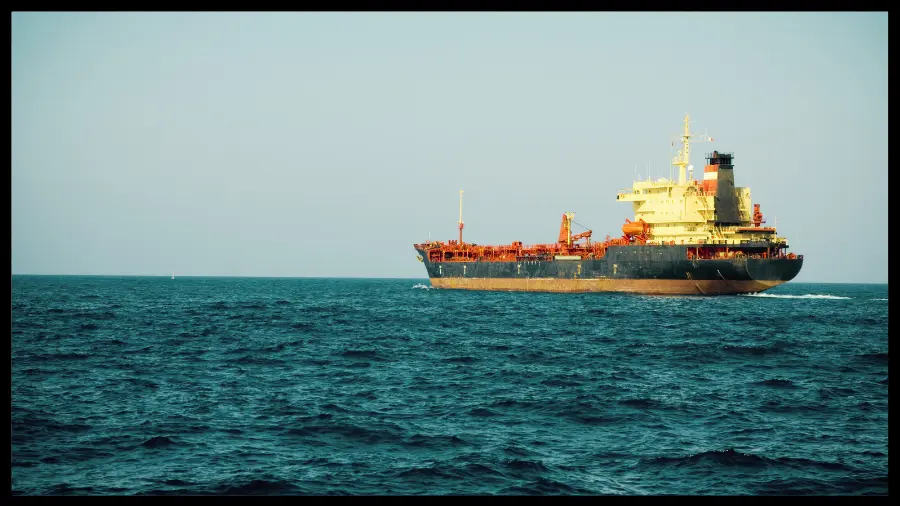
Saudi is trying to shift crude liftings away from the Strait of Hormuz by offering more loadings from Yanbu on the Red Sea via the East West pipeline, but the switch is proving harder than it looks. The corridor change can reduce Hormuz exposure for buyers, yet shipowners are still pricing the broader regional risk aggressively, and Yanbu’s real-world export rhythm has historically been far below the pipeline’s headline capacity, creating a bottleneck right when buyers want certainty.
Subscribe to the Ship Universe Weekly Newsletter
Click here for 30 second summary of the full piece ▶
Yanbu option expands but tanker supply is the limiter
Saudi is leaning on the East West pipeline to move crude to Yanbu and offer Red Sea liftings as Hormuz risk stays elevated. The challenge is that shipping confidence has not moved in sync with the routing plan. Spot freight for Yanbu loadings jumped sharply and some assignments were reported canceled as owners avoid the region or demand outsized compensation.
- Supply reroute lever: East West pipeline can move crude from eastern fields to the Red Sea, but Yanbu’s loading history and terminal rhythm set the near-term ceiling.
- Freight signal: Yanbu-related tanker costs were reported to have more than doubled, reflecting reluctance and limited prompt tonnage.
- Market consequence: even if crude can be moved inland, export continuity still depends on ships willing to show up at a price buyers accept.
Red Sea liftings can reduce Hormuz exposure, but the trade still runs through a narrow practical choke point: Yanbu loading capacity plus shipowner willingness, which is currently being priced like a high-risk corridor.
| Fast reader take | Reroute lever | Real constraint | Immediate shipping consequence | Shows up first | Closest stakeholders |
|---|---|---|---|---|---|
| Yanbu option expands for Asia buyers |
Buyers were offered the option of lifting from Yanbu as Hormuz risk escalated.
Yanbu loadings
Asia nominations
|
Nomination changes do not guarantee ships; owners still decide whether to accept the voyage and at what price. | Freight volatility increases and fixed programs can slip when ships are slow to commit. | Tender responses, shortening validity, higher subject lists. | Traders, refiners, chartering desks, brokers. |
| Pipeline capacity is headline large but terminal history is smaller |
East West pipeline capacity is widely cited near 5 million bpd, with historical surge capability under special conditions.
East West pipeline
Cross country crude moves
|
Yanbu’s past maximum load handling was reported far below pipeline capacity, creating a practical ceiling in a crisis. | Export continuity can still face throttling even when upstream supply is available. | Berth utilization, loading windows, and queue discipline. | Terminal ops, agents, masters, demurrage teams. |
| Freight becomes the real-time vote of confidence |
Yanbu-related tanker costs were reported to have more than doubled, and some assignments were canceled as owners hesitated.
Rates jump
Canceled stems
|
Owners price broad regional exposure and attack risk, not only the bypassed chokepoint. | Delivered cost rises and buyer willingness to lift can weaken if premiums do not stabilize. | Daily fixture cadence, widening bid ask, higher replacement risk. | Shipowners, underwriters, oil majors, refiners. |
| Red Sea exposure creates a second risk layer |
The reroute shifts the voyage map, but it does not eliminate security concerns for ships operating in regional waters.
Security posture
Route risk pricing
|
Owners compare risk adjusted economics versus waiting, repositioning, or alternative employment. | More conditional fixing, more cancellation risk, more schedule uncertainty. | Longer negotiation cycles, slower confirmations, higher cancel replace activity. | Legal, compliance, insurance, charter parties. |
| Buyer urgency meets shipowner optionality |
Some importers are already requesting Red Sea routing as a continuity measure for supplies.
Continuity requests
Emergency planning
|
Timing is tight: crude supply needs are immediate while ship positioning and approvals are not. | Increased probability of delayed arrivals, partial volumes, or rescheduled liftings. | Changes in lifting programs and downstream refinery run adjustments. | Refiners, energy ministries, traders, logistics planners. |
Why this reroute is hard in practice
The logistics story has two separate ceilings: crude can be pushed west across Saudi, but loading it out smoothly depends on Yanbu’s berth rhythm, storage and scheduling, and shipowner willingness to accept Red Sea exposure at a workable premium. In the latest disruption window, Yanbu freight was reported to have surged and some stems were pulled back as owners hesitated.
Key friction points that decide whether volumes actually move
- Terminal cadence: Yanbu has not historically loaded at anything close to the pipeline headline capacity, so scaling is not instant.
- Shipowner risk pricing: owners can demand a premium large enough that buyers delay, split parcels, or seek alternatives.
- Positioning and approvals: even willing ships need to be in the right place with coverage confirmed and clauses settled.
- Second order exposure: bypassing Hormuz reduces one risk, but the voyage still sits inside a broader security envelope.
Yanbu reroute feasibility and cost lens
This tool sizes two questions quickly: how many liftings are required to move a target volume via Yanbu, and what the added freight impact looks like if premiums spike.
The reroute lever is real, but the decisive variable is whether Yanbu can sustain higher loading cadence while shipowners accept Red Sea exposure at a price buyers will clear. If not, the bypass becomes a partial relief valve rather than a full replacement for Gulf exports.
We welcome your feedback, suggestions, corrections, and ideas for enhancements. Please click here to get in touch.