Russian Energy Export Revenues Hit Lowest Level Since Ukraine Invasion
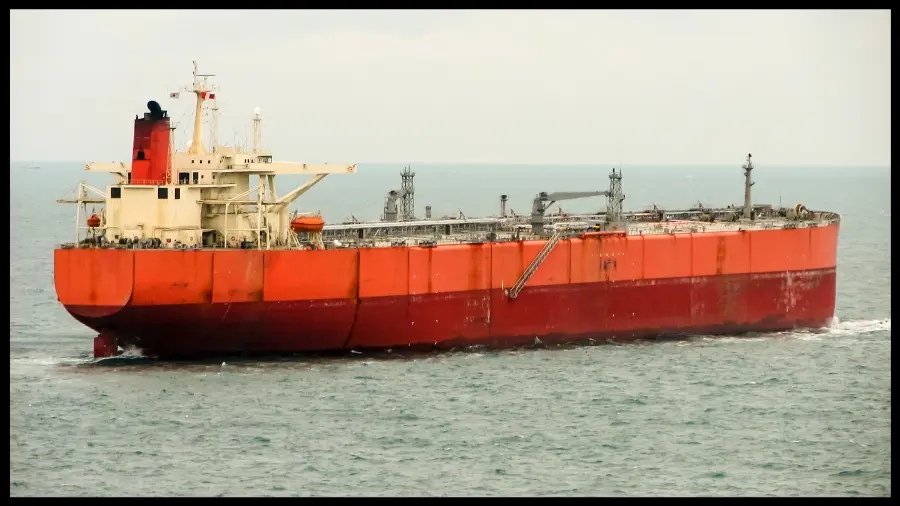
Russia’s fossil-fuel export earnings dropped to their lowest level since the start of the full-scale war in Ukraine, according to recent sanctions-tracking analysis, with weaker volumes and softer pricing combining into a smaller cash flow headline. The same period shows a notable shift in where barrels are clearing, with India-linked buying reported lower versus late-2025 patterns while China-linked intake remains a key outlet for discounted crude.
Subscribe to the Ship Universe Weekly Newsletter
Click here for 30 second summary
Russia energy export sales in one read
Recent sanctions-tracking analysis reports Russia’s fossil-fuel export earnings have fallen to their lowest level since the start of the full-scale war in Ukraine. The decline is described as driven by weaker sales velocity, softer pricing, and reduced liftings into some buyer outlets.
-
Earnings marker
Export revenues are flagged at a post-invasion low point versus the early-2022 baseline. -
Buyer mix shift
India-linked buying is highlighted as materially lower, while China remains a key clearing outlet for discounted crude. -
Bottom Line Impact
Lower export earnings raise the importance of discount depth, buyer mix, and clearance friction, because the trade leans more heavily on execution-heavy routes to keep volumes moving.
| Fast reader take | Latest data point | What moved the needle | Shipping read-through | Closest stakeholders |
|---|---|---|---|---|
| Earnings at post-invasion low |
Recent tracking puts Russian fossil-fuel export revenues at the weakest level since early 2022.
The reported decline is framed as both price and volume driven.
|
Softer pricing plus weaker clearing in some outlets reduces gross sales even when export logistics remain active. | Lower revenue intensity can tighten seller flexibility on freight and terms, while still keeping volumes moving through discounted channels. | Tanker and product tanker owners, charterers, traders, insurers, compliance teams. |
| India-linked buying flagged lower |
Declines to India are highlighted as a key driver in the earnings downshift.
Buyer mix change matters as much as headline volumes.
|
Fewer India-bound liftings plus more screening friction in the chain reduces effective sales velocity. | Alters voyage geography and ballasts, shifting demand between long-haul basins depending on replacement barrels. | Owners positioned for AG and Atlantic replacement flows, refiners and trading desks. |
| China stays central to clearance |
China remains a major sink for discounted Russian barrels in recent flow reporting.
Discount depth supports intake even when other buyers fade.
|
Discount economics plus refinery demand keeps a large share of export momentum pointed east. | Sustains Pacific-bound crude legs while pushing other buyers toward Middle East and Atlantic alternatives. | VLCC and Aframax/Suezmax owners, east-of-Suez chartering desks. |
| Seaborne exports show measurable softness |
Cargo-tracking reports show a month-on-month drop in seaborne crude exports in January.
Directionally consistent with weaker sales signal.
|
Fewer loadings reduce spot demand at the margin, even if rerouting and ship-to-ship work persists. | Can ease near-term tonnage demand in specific load areas while raising competition for cleaner, compliant employment. | Spot tanker owners, brokers, port agents, STS service providers. |
| Compliance risk premium remains embedded |
The story sits inside a broader pattern of enforcement, screening, and documentation pressure.
Cost shows up in time, not only freight.
|
Greater counterparty scrutiny and banking friction can slow execution and raise “time-to-clear”. | Longer cycle times tighten effective supply for ships involved in higher-friction trades, even with stable fleet counts. | P&I, banks, operators, cargo interests, flag and class stakeholders. |
$0
Estimated monthly impact from discount or friction
$0
A lower export cashflow headline tends to amplify the importance of buyer mix and execution friction, because the trade relies more heavily on discounted outlets and longer clearance chains to keep volumes moving.
We welcome your feedback, suggestions, corrections, and ideas for enhancements. Please click here to get in touch.