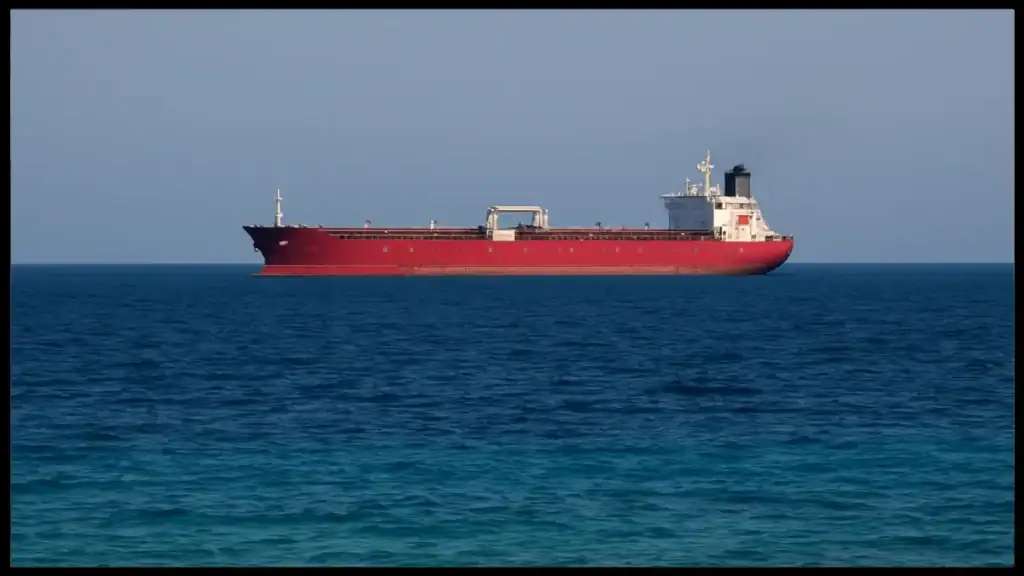
Houthi militants in Yemen have announced the start of a "fourth phase" in their maritime campaign, vowing to intensify attacks on vessels transiting the Red Sea, particularly those with ties to Israel or U.S.-aligned partners. This declaration follows a string of missile and drone strikes that already crippled commercial shipping in the Bab al-Mandeb corridor. As insurers raise premiums and navies reposition assets, Red Sea shipping lanes once again teeter on the edge of disruption.
Red Sea Maritime Security Flashpoints
Date / Incident
Target / Location
Impact on Shipping
Response / Status
July 28, 2025 – "Fourth Phase" Declaration
All Red Sea-bound vessels with Israeli or U.S. ties
Declared intent to target broader vessel classes, increasing threat level
Insurers expand war risk zones; Lloyd’s reissues high-alert guidance
July 21, 2025 – Israeli Airstrikes on Hodeidah
Suspected Houthi drone launch sites at port of Hodeidah
Escalation in military tension; no commercial vessels damaged in strike
UN Security Council emergency session; tensions flare regionally
July 13, 2025 – Sinking of *Magic Seas*
Bulk carrier in southern Red Sea
Ship sunk; crew rescued after Houthi drone and missile attack
Listed on maritime red-alert zones; flag states warn of rerouting
July 7, 2025 – Destruction of *Eternity C*
Cargo vessel near Bab al-Mandeb
Four crew killed, six abducted; ship lost to combined drone-RPG assault
International condemnation; salvage vessels and naval units dispatched
Ongoing – Drone & Speedboat Raids
Various Red Sea convoy routes
Disruption to container and tanker convoys; evasive routing observed
EU’s Aspides naval operation expands air and sea perimeter sweeps
Note: All events listed are based on verified maritime incident reports, official defense statements, and shipping industry alerts.
Industry Impact Overview:
The Houthis’ renewed escalation in the Red Sea is reshaping global trade logistics in real time. While direct vessel attacks are the most visible threat, the broader impact is unfolding in insurance underwriting, port contingency planning, naval budgeting, and cargo rerouting across multiple continents. Commercial and government stakeholders alike are scrambling to adjust to the evolving risk environment.
Key Impacts:
Insurance Repricing Expands: War-risk premiums for Red Sea and Suez-linked transits have now doubled or tripled for certain flag states.
Rerouting Drives Market Volatility: Vessels rerouting around the Cape of Good Hope are adding 9–14 days of transit time, shifting freight rates and causing container delays.
Port and Terminal Adjustments: Terminals in South Africa, Oman, and the UAE are seeing increased demand as alternative loading/unloading hubs.
Naval Escort Requests Rise: Commercial carriers are submitting more formal requests for convoys or naval presence along high-risk zones.
Strategic Reserve Recalibration: Oil importers are reevaluating stockpile strategy due to supply timing uncertainty across Asia and Europe.
Global Adjustments Triggered by Red Sea Escalation
Adjustment
Region Affected
Who’s Responding
Outcome / Forecast
Expanded War-Risk Premiums
Red Sea corridor, Gulf of Aden
Insurers, reinsurers
Up to 300% increase for vessels flagged under high-risk registries
Cape of Good Hope Rerouting
Global container and tanker trades
Maersk, Hapag-Lloyd, oil majors
Longer voyages, elevated emissions, disruption to supply chains
Port Load-Balance Shifts
South Africa, Oman, UAE
Port authorities, shippers
Spike in throughput at alternative hubs; berth congestion possible
Naval Deployment Expansions
Red Sea, Arabian Sea
EU NAVFOR, U.S. 5th Fleet, India
Joint patrols increased; air surveillance integration rising
Oil Inventory Adjustments
Europe, South Asia
Energy ministries, oil traders
Stockpile releases delayed or restructured to hedge delays
Note: All entries reflect actual ongoing developments based on shipping advisories, insurance circulars, port traffic data, and naval operation updates.