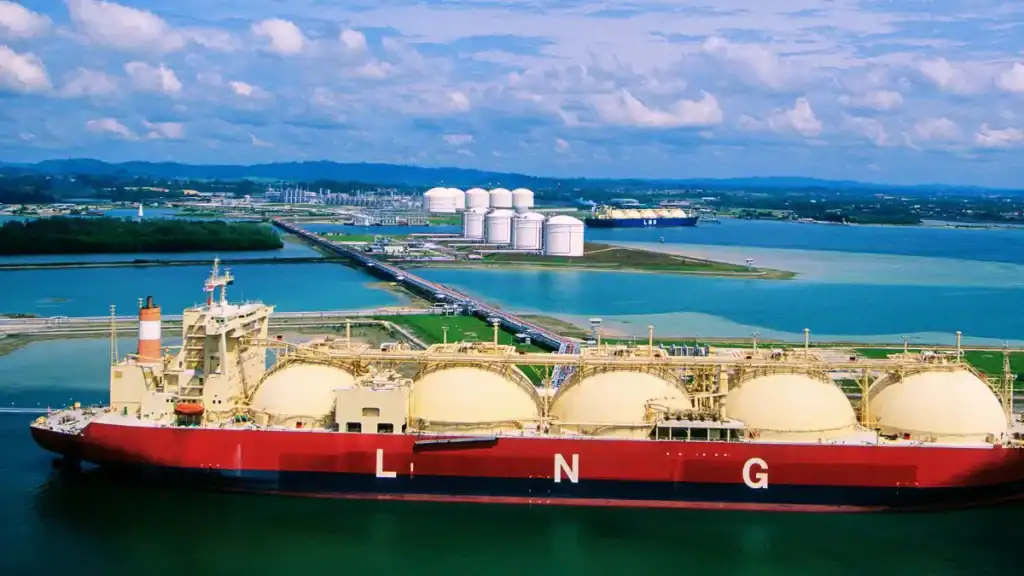
Spot LNG shipping rates have reached their highest point in eight months, reflecting a combination of growing demand, geopolitical instability, and a tightening pool of available vessels. Daily rates in the Atlantic region have surged to around $51,750, while Pacific routes have risen to approximately $36,750. These figures mark a sharp rebound from earlier lows and signal renewed volatility in the LNG maritime space.
This surge is not happening in isolation. A confluence of factors is reshaping how lng is transported across oceans. Both operators and charterers are now navigating a market that is once again tilting in favor of shipowners.
Multiple forces are converging to drive LNG shipping rates to eight-month highs. The surge is not just about demand it's about distance, disruption, and directional shifts in trade. Longer voyages, riskier routes, and large forward tenders are squeezing global vessel availability just as buyers in Asia and emerging markets ramp up their LNG intake.
LNG Freight Rate Drivers
Driver
Explanation
Impact on Rates
Longer Voyage Durations
More vessels are rerouting via the Cape of Good Hope to avoid Red Sea and Suez Canal risks, adding weeks to round trips.
Reduces global vessel availability, tightening the market.
Strait of Hormuz Insurance Premiums
Geopolitical tensions have pushed war-risk insurance rates sharply higher for ships transiting this critical chokepoint.
Increases total voyage cost and discourages shorter routes.
Egyptian LNG Tender
Egypt’s request for up to 160 LNG cargoes through 2026 has added a large new demand signal into the freight market.
Spot demand in Asia is increasing as utilities prepare for hotter-than-expected summer months and potential disruptions.
Boosts charter rates on Pacific-bound routes.
Fleet Utilization Pressure
The available global fleet is facing higher utilization as voyages stretch and turnaround times increase.
Squeezes spot market capacity, driving up prices.
Note: Data compiled from LNG market trends, ship operator reports, and insurance advisories. Trends subject to change based on regional stability and trade flows.
Market Context and Rate Trajectory
LNG freight markets have been on a rollercoaster throughout the past year. After reaching multi-year lows earlier in 2025, rates have now surged to their highest point since late 2024. This reversal highlights how quickly shipping dynamics can shift when geopolitical tension, regional demand, and vessel availability converge. The table below captures the turning points and key developments shaping LNG freight rate behavior over the past nine months.
LNG Freight Rate Evolution
Period
Key Developments
Rate Impact
Q4 2024
Strong LNG flows to Europe and short-haul routes kept freight availability high and rates modest.
Rates hovered near seasonal averages with minimal volatility.
Q1 2025
Mild winter weather and well-stocked European inventories reduced LNG cargo demand and vessel utilization.
Freight rates declined to five-year lows across Atlantic and Pacific basins.
April–May 2025
First signs of rebound as Asian buyers re-entered the spot market and global fleet repositioning began.
Gradual increase in daily rates, particularly for East Asia-bound voyages.
June 2025
Geopolitical risk in the Middle East, route lengthening, and new demand from Egypt accelerated the market turnaround.
Daily rates spiked to $51,750 (Atlantic) and $36,750 (Pacific), highest levels in 8 months.
Looking Ahead
Operators continue to reposition vessels, and risk premiums remain elevated in chokepoints.
Rate pressure expected to persist through Q3 unless regional tensions ease significantly.
Note: Data reflects industry shipping reports, rate indexes, and routing analytics. Subject to change with cargo trends, conflict zones, and macroeconomic demand.
Implications Across the Shipping and Energy Sectors
The surge in LNG freight rates is having broad ripple effects, not just for shipowners and charterers, but across the entire global energy value chain. As voyage costs climb and routing patterns shift, every stakeholder, from cargo traders and terminal operators to insurers and utility buyers, is recalibrating strategy. The realignment in LNG logistics is shaping commercial decision-making for both short-term planning and long-term contracting. The following table outlines key implications for different sectors.
LNG Rate Surge Impacts by Sector
Sector
Implication
Strategic Response
Shipowners and Operators
Higher rates improve short-term earnings for spot fixtures, especially for owners with uncommitted tonnage.
Leverage market strength to secure longer-term contracts or invest in fleet optimization.
Charterers and Traders
Rising costs on short-term or unhedged routes squeeze margins, especially on Asian lanes.
Increase use of forward fixtures and consider risk-hedging for Q3 and Q4 positions.
Energy Importers (Utilities)
LNG landed prices climb, affecting cost of power generation in fuel-switching countries.
Diversify suppliers and negotiate fixed-price transport clauses to cap exposure.
Port and Terminal Operators
Changing voyage patterns and vessel congestion can alter berth usage and tug allocation.
Optimize turnaround scheduling and prepare for increased Asia-bound arrivals.
Marine Insurers and Brokers
High-risk zones like the Strait of Hormuz are driving up premiums for LNG tankers.
Reassess pricing models and update underwriting guidance for key lanes.
Policy and Trade Analysts
Rate volatility exposes fragility in global LNG supply chains amid geopolitical stress.
Monitor trade realignments and support route diversification policies.
Fleet Maintenance and Supply Chain Vendors
Longer voyages and higher utilization accelerate wear and increase demand for mid-cycle maintenance.
Anticipate higher parts usage and reposition service teams near key turnaround ports.
Note: Strategic insights compiled from shipping line bulletins, LNG delivery analytics, and marine insurance market updates.
LNG freight markets remain tight heading into the second half of 2025. While some drivers may ease, others are likely to keep pressure on rates. A few things to watch:
Tensions in the Strait of Hormuz could keep insurance costs high and limit route options.
Asian demand is rising as summer energy needs grow.
Vessels are tied up longer on rerouted voyages, limiting global availability.
Charterers are shifting to longer contracts to avoid spot market volatility.
Port congestion is increasing, especially at key Asian terminals.
Freight costs for LNG are now shaped by more than supply and demand. Route risk, fleet pressure, and shifting buyer behavior all matter.
Owners with available vessels are seeing strong returns.
Charterers are under pressure to secure capacity early.
Strategic planning is now essential for managing cost and reliability.
The months ahead will reward flexibility and preparation. Those who act early will be in a better position to manage both risk and opportunity.
News Summary
Category
Details
Current Status / Impact
Freight Rates
Spot rates hit 8-month highs: Atlantic at $51,750/day and Pacific at $36,750/day.
Strong upward pressure continues into Q3.
Route Adjustments
Vessels rerouting around the Cape of Good Hope to avoid high-risk regions.
Voyages take longer, reducing fleet availability.
Insurance Costs
War-risk premiums rising for Strait of Hormuz transits.
Discourages use of shorter routes; raises total voyage cost.
Demand Signals
Increased buying from Asia and Egypt tendering 160 cargoes.
Demand growth supports firm rate environment.
Fleet Utilization
Longer trips and fewer idle vessels on the market.
High utilization keeps spot availability low.
Charterer Strategy
Shift from spot to multi-month charters to control exposure.
Longer-term deals gaining appeal.
Port Activity
Turnaround pressure increasing in key Asian terminals.
Congestion may worsen if rate strength continues.
Shipowner Position
Owners with uncommitted tonnage benefiting from rate spikes.
Higher margins for spot or short-term fixtures.
Energy Importers
Facing higher landed LNG costs from freight and risk premiums.
Increasing interest in supplier and transport diversification.
Outlook for Q3
Dependent on political stability, fleet movement, and demand spikes.
Rates likely to stay firm without major easing in risk zones.
Note: Summary compiled from LNG freight analytics, vessel tracking data, and geopolitical risk assessments.