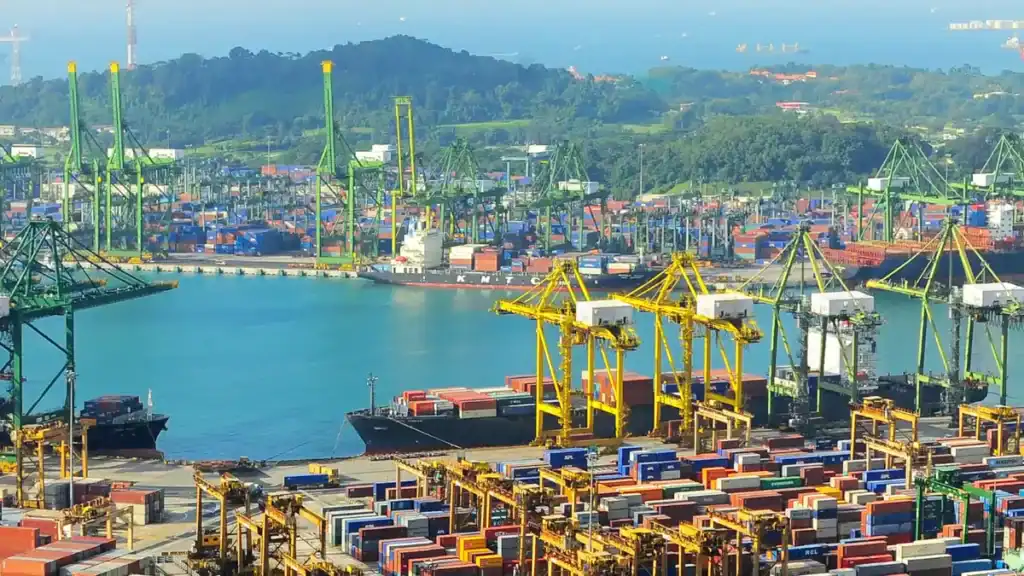
Global ports are navigating a complex set of challenges, seasonal volume spikes, geopolitical pressures, and shifting trade routes, all contributing to uneven capacity and emerging pinch points.
Recent industry data shows congestion spiking sharply in June, with nearly all major terminals reporting operational slowdowns. Vessel berth wait times are frequently stretching into multiple days, affecting supply chain reliability. Ports in Europe, Southeast Asia, and Africa are seeing the greatest impact, with vessels queuing offshore and inland hubs grappling with container build-up.
Regional Pressure Points
Port activity across different regions is experiencing varying levels of disruption. While some hubs are managing seasonal volume with moderate impact, others are facing acute congestion due to infrastructure strain, weather events, or rerouted trade flows. The following highlights outline where pressures are building and what’s contributing to the operational slowdowns.
Europe: Northern ports are under increased strain this summer. Rotterdam, Hamburg, and Antwerp are experiencing delays between two and three days during peak periods. Congestion appears to be easing in select locations, but industry sources warn it may return quickly .
Asia–Oceania: Singapore and Ningbo remain key congestion hotspots. Singapore’s anchorages are overrun, supporting backlog that is spilling into feeder ports. Mainland Chinese hubs are contending with export surges and equipment shortages.
Africa: Several Mediterranean and southern African ports are reporting days-long queuing. Affected ports include Tanger Med, Algiers, Cape Town, Djen-Djen, and Douala—all with average anchor delays of several days.
Americas: Key North American and Latin hubs—Vancouver, Savannah, Manzanillo, and Guatemala's Santo Tomás de Castilla—are reporting mounting queues and dock delays for import and export cargo.
Congestion Trends by Region
Region
Average Wait Times
Contributing Factors
Europe
2 to 4 days
Rotterdam, Hamburg, and Antwerp are seeing terminal congestion tied to labor shortages, Rhine River capacity constraints, and pre-summer inventory surges. Some relief from blank sailings has helped, but delays persist.
Asia
4 to 6 days
Singapore and Ningbo are experiencing significant yard congestion, with high transshipment traffic and tight container availability. Increased export demand and rerouted Red Sea traffic are straining major Asian hubs.
Africa
5 to 10 days
Cape Town, Algiers, Djen-Djen, and Tanger Med are facing seasonal backups and infrastructure limits. Strong winds in southern Africa have worsened berth availability, while growing regional demand stresses inland connectivity.
Americas
2 to 5 days
Savannah, Vancouver, and Manzanillo report equipment delays and shifting traffic flows. Some ports are absorbing spillover from rerouted vessels avoiding conflict zones, adding pressure to inland rail and yard operations.
Based on port call data, traffic monitoring, and terminal reports across key regions as of June 2025. Actual wait times may vary based on vessel size, cargo type, and berth priority.
Other Emerging Maritime Themes
Beyond congestion, several broader developments are shaping port operations and maritime logistics. These include shifting carrier strategies, increased security investments, and evolving trade flows driven by global events. Together, they highlight how the industry is adjusting to a more dynamic and uncertain environment.
Port Security Investment: Europe is investing in port cybersecurity and dual-purpose infrastructure. Up to €75 billion is being earmarked for enhancements across Poland, Lithuania, Latvia, and elsewhere—aimed at balancing resilience with commercial efficiency.
Blank Sailings Pattern: Container carriers are canceling scheduled voyages—especially to the U.S. West Coast—as demand softens, even amid congestion elsewhere. The practice, which surged 13 % in May, serves as a barometer for shifting trade volumes.
Trade Flow Reconfiguration: Regional tensions, such as in the Red Sea, have prompted rerouting. Vessels are avoiding high-risk zones, which shifts demand to alternative hubs and aggravates congestion in ports along new corridors.
Top Port Security Investments in Progress
Port
Upgrade Focus
Operational Impact
Klaipėda (Lithuania)
Expanded surveillance zones, digital threat detection, military-civilian response systems
Improved situational awareness for both trade and NATO-aligned readiness operations. Strengthens resilience to cyber and physical incursions.
Gdańsk (Poland)
Dual-use logistics infrastructure, maritime radar systems, and physical access controls
Enables coordination between military and commercial traffic during emergencies. Improves cargo flow security and strategic logistics handling.
Antwerp (Belgium)
AI-based monitoring systems, drone surveillance, and perimeter defense automation
Boosts real-time detection of unauthorized movements. Enhances compliance with evolving EU and NATO security protocols.
Riga (Latvia)
Port-wide cyber resilience upgrades and container scanning integration
Reduces risk of digital infrastructure disruption. Enhances container verification and customs integrity at border ports.
Constanța (Romania)
Integrated satellite tracking and secure communications overlay with Black Sea response nodes
Improves strategic surveillance near conflict zones and helps maintain secure flow of grain, energy, and defense-linked cargo.
Note: Based on confirmed development plans, infrastructure tenders, and EU–NATO port modernization efforts. Timelines and scopes may evolve based on regional security priorities.
How Supply Chains Are Responding
Logistics providers and shippers are taking proactive steps to mitigate disruptions:
Lining up contingency plans, such as alternate ports and feeder routes, to avoid backups.
Exploring intermodal options like rail or air for time-sensitive cargo.
Deploying buffer periods in schedules to absorb delays without cascading downstream.
Collaborating more closely across carriers, terminals, and customs to anticipate space bottlenecks.
Top Port Security Investments in Progress
Port
Upgrade Focus
Operational Impact
Klaipėda (Lithuania)
Expanded surveillance zones, digital threat detection, military-civilian response systems
Improved situational awareness for both trade and NATO-aligned readiness operations. Strengthens resilience to cyber and physical incursions.
Gdańsk (Poland)
Dual-use logistics infrastructure, maritime radar systems, and physical access controls
Enables coordination between military and commercial traffic during emergencies. Improves cargo flow security and strategic logistics handling.
Antwerp (Belgium)
AI-based monitoring systems, drone surveillance, and perimeter defense automation
Boosts real-time detection of unauthorized movements. Enhances compliance with evolving EU and NATO security protocols.
Riga (Latvia)
Port-wide cyber resilience upgrades and container scanning integration
Reduces risk of digital infrastructure disruption. Enhances container verification and customs integrity at border ports.
Constanța (Romania)
Integrated satellite tracking and secure communications overlay with Black Sea response nodes
Improves strategic surveillance near conflict zones and helps maintain secure flow of grain, energy, and defense-linked cargo.
Note: Based on confirmed development plans, infrastructure tenders, and EU–NATO port modernization efforts. Timelines and scopes may evolve based on regional security priorities.
Strategic Implications
These developments reflect deeper structural trends:
Port Resilience Testing: Transport infrastructure is being redefined to meet both commercial throughput and emerging security standards.
Cost Impact: Demurrage and detention fees are mounting, while freight rate fluctuations complicate budgeting without guaranteed shipping capacity.
Trade Diversification: Blank sailings are symptomatic of a broader rethinking of trade network viability, especially under tariff and geopolitical pressures.
Infrastructure Needs: The persistent strain highlights gaps in terminal equipment, automation, and workforce flexibility.
Ports are expected to remain strained through the summer and possibly beyond, unless new capacity measures and operational adjustments begin to take hold. The interplay of seasonal peaks, route flows, and geopolitical pressure points could make 2025 a defining year for maritime logistics adaptation.
News Summary
Theme
Key Highlights
Impact
Port Congestion
Significant delays reported globally; wait times ranging from 2 to 10 days depending on the region
Extended vessel turnaround times, higher logistics costs, rerouting of cargo
Regional Pressure Points
Europe, Asia, Africa, and the Americas each face unique port-side challenges
Operational slowdowns due to labor shortages, equipment strain, and weather-related delays
Security Investments
Ports in the EU upgrading cybersecurity, drone monitoring, and dual-use defense infrastructure
Enhanced surveillance, risk mitigation, and resilience against geopolitical disruptions
Blank Sailings and Rerouting
Carriers adjusting schedules and skipping calls due to demand shifts and regional tensions
Traffic displaced to secondary ports, increasing delays and logistical complexity
Shipper Response
Advance booking, alternate port use, modal shifts to rail and air, visibility tools deployed
Improved agility and supply chain continuity despite rising uncertainty
Note: Based on terminal reporting, vessel movement data, and maritime logistics updates. Conditions subject to regional changes and seasonal demand cycles.