Phillips 66 and Citgo Move Toward Direct Venezuelan Crude Purchase
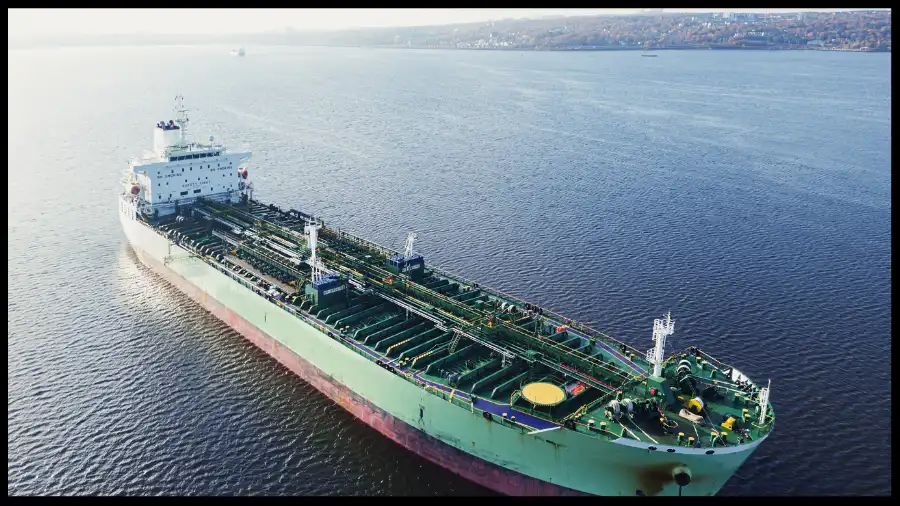
Phillips 66 and Citgo are reported to be moving toward direct purchases of Venezuelan heavy crude from PDVSA, aiming to bypass intermediaries and capture more of the discount economics as US policy loosens the flow of sanctioned barrels. The near-term hinge is licensing and execution capacity: buyers still need the right US Treasury authorizations and PDVSA has practical constraints on shipping and loading that can slow any ramp, even if the commercial pull is strong.
Subscribe to the Ship Universe Weekly Newsletter
Click here for 30 second summary
Phillips 66 and Citgo, direct PDVSA buying shift
Reporting says Phillips 66 and Citgo are seeking to buy Venezuelan heavy crude directly from PDVSA rather than via intermediaries. The gating factor is licensing and compliance clearance, and the practical limiter is PDVSA export execution capacity including shipping and loading control.
-
Core move
Direct contracting is intended to capture more of the discount economics versus trader routed barrels. -
Gate
Scaling depends on the right US Treasury authorizations and counterparty clearance. -
Bottom Line Impact
If direct liftings expand, shipping impact is driven by load slot control and scheduling, because delays convert into extra days and tighter tanker availability.
| Reader shortcut | Moving | Approval gate | Execution reality | Shipping read through |
|---|---|---|---|---|
| Direct purchase push |
Phillips 66 and Citgo are reported to be seeking direct purchases of Venezuelan heavy crude from PDVSA, aiming to bypass intermediaries.
Reported as a margin and cost capture move.
|
Individual US Treasury authorization remains a key dependency before scaling activity. | PDVSA export operations and trade documentation tend to create longer lead times than a simple spot cargo swap. | More direct liftings can tighten vessel scheduling around Venezuelan load windows and term programs. |
| Middleman compression | The reported intent is to reduce reliance on Chevron and trading houses for supply access. | Sanctions compliance and counterparty clearance determine who can contract directly and on what terms. | Pricing tends to show up as heavier discounts to Brent when risk and friction are high. | Cargo routing can shift as buyers lock specific grades and loading patterns. |
| Citgo demand signal | Citgo has indicated plans to process Venezuelan crude at its US Gulf Coast refineries as flows restart. | Buyer eligibility and payment pathways are part of the licensing conversation. | Blending, documentation, and port logistics can become bottlenecks when multiple buyers re enter together. | Steadier Gulf Coast pull supports recurring Aframax and Suezmax style scheduling depending on parceling. |
| PDVSA constraints | Reporting highlights PDVSA limits, including constrained shipping capacity, as a practical cap on how fast volumes can ramp. | Even with approvals, operational capacity can cap execution speed. | Loading nominations and vessel availability may be more decisive than headline policy statements. | Delays convert into extra days, which effectively tightens available tonnage. |
| Scale context |
Before 2019 sanctions, US Gulf Coast refineries processed up to about 800,000 bpd of Venezuelan heavy crude in some periods.
Historical ceiling, not current run rate.
|
The ramp is policy driven and license driven, not just commercial. | A multi buyer return tends to re price logistics and schedule buffers. | If imports rise materially, voyage counts and positioning patterns can shift for Atlantic basin crude tankers. |
Reporting says the direct purchase effort is oriented toward liftings starting as early as April, subject to clearances.
Direct contracting concentrates responsibility for compliance steps, shipping, and documentation with the buyer and PDVSA.
PDVSA shipping and export operational limits are cited as a constraint that can slow a multi buyer restart.
We welcome your feedback, suggestions, corrections, and ideas for enhancements. Please click here to get in touch.