Oil Whiplash Rewrites Voyage Economics in Real Time
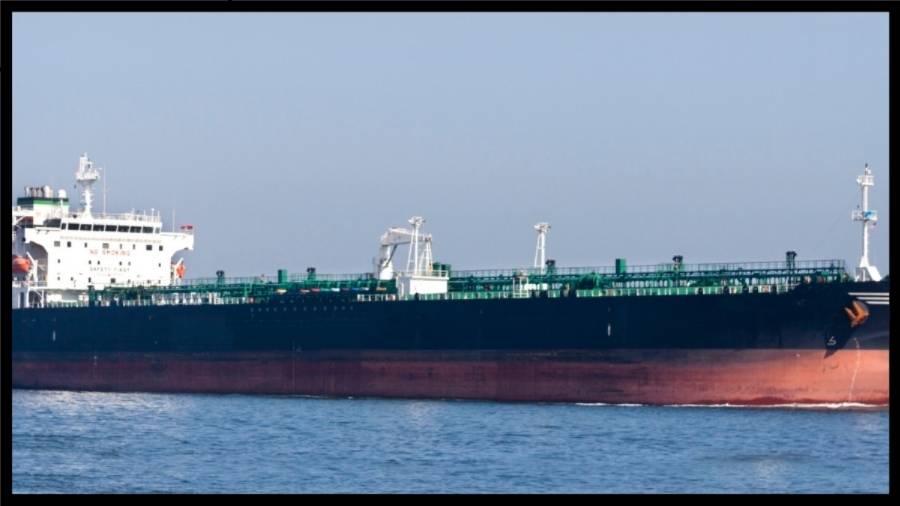
Over the last 48 hours, crude went from fear-driven highs to a sharp pullback, and maritime feels that swing immediately because it hits bunkers, freight behavior, and the cost of uncertainty at the same time. Brent pushed to an intraday high around $119.50/bbl on March 9, 2026, then fell hard on March 10, 2026 with reporting showing Brent around $91 to $92/bbl and WTI around $88/bbl.
Subscribe to the Ship Universe Weekly Newsletter
Click here for 30 second summary of the full piece ▶
Crude whipsaw turns into bunker and freight whiplash
Brent surged to about $119.50 per barrel intraday on March 9, then reversed sharply on March 10 with prices reported around $91 to $92. This kind of swing hits shipping fast because it changes bunker expectations, widens bid-ask spreads, and increases the value of certainty in fixture and stem timing.
- Fast tape: spike day followed by a large pullback within 24 hours.
- First maritime symptom: bunker quotes and freight negotiations get shorter validity and more exceptions.
- Next symptom: routing, buffers, and inventory windows tighten because counterparties hesitate to commit during whipsaw pricing.
Even when oil retraces, volatility itself raises the cost of execution by forcing re-quotes, creating timing lumps, and reducing effective capacity through replanning and missed windows.
| Fast reader take | Price tape marker | Maritime channel that moves first | Negative shipping consequence | Shows up first | Closest stakeholders |
|---|---|---|---|---|---|
| Volatility becomes the cost driver |
Brent spiked near $119.50 intraday (Mar 9) then reversed to $91 to $92 (Mar 10).
48-hour swing
wide range
|
Bunker quotes and freight negotiations reprice faster than published indexes, especially on prompt stems and prompt fixtures. | Shorter quote validity, wider bid-ask spreads, and higher cancellation or replacement risk when timing slips. | Stem confirmations, bunker barge slot availability, fixture subject lists, insurance timing. | Owners, chartering desks, bunker buyers, brokers, ops control towers. |
| Fuel budgets swing before voyages can react |
Large intraday moves can translate into rapid bunker premium widening in key hubs.
bunker repricing
premium widening
|
Delivered fuel markets move quickly as suppliers add cushion during uncertainty. | Higher probability of re-stemming, revised bunker ports, and schedule friction around bunkering windows. | Fujairah, Singapore, Zhoushan quote spreads and delivery-slot congestion. | Bunker suppliers, traders, port agents, masters, technical managers. |
| Freight reacts through “pay up or wait” behavior |
Spikes trigger urgency; pullbacks trigger hesitation, but volatility tends to keep premiums embedded.
urgency then pause
premium stays
|
Owners price uncertainty into availability, especially on routes exposed to higher risk or longer detours. | More rolled cargo, delayed stems, and compressed port windows when arrivals bunch up after hesitations. | Prompt tonnage lists, fixture counts per day, and “subjects lifted” timing. | Tanker and container operators, shippers, forwarders, terminals. |
| Inventory and buffers become expensive |
When price ranges widen, buyers increase safety buffer behavior to avoid missed windows.
buffer expansion
window risk
|
Transit-time variability and schedule reliability matter more than directional price. | Higher working-capital cost and more exceptions handling across supply chains. | Cutoff adjustments, warehouse appointment pressure, revised ETAs. | Cargo owners, procurement, inventory planners, 3PLs, inland carriers. |
| Execution stability becomes a differentiator |
A whipsaw tape often produces low confidence even after prices fall.
confidence shock
re-quote cycles
|
Networks perform worse when everyone is trying to avoid being last to price. | More rework, more delays, and tighter capacity as operations absorb changes. | Customer advisories, exception tickets, and dwell time at chokepoint ports. | Customer service, claims, commercial teams, risk desks. |
Turning oil volatility into voyage-level numbers
In whipsaw periods, operators often get hit twice: fuel reprices and execution slows. The tool below sizes both effects using your assumptions, and also shows a simple per-unit impact if you want to allocate cost across TEU, tons, or barrels.
Two maritime mechanics that amplify a price swing
- Quote validity shrinks: bunker and freight offers expire faster, raising rework risk and increasing the value of confirmed slots.
- Time becomes expensive: even small delays around stem windows, approvals, or reroutes reduce effective capacity and add real dollar cost.
- Premiums can linger: after a pullback, suppliers and owners often keep extra padding until the tape stabilizes.
Volatility to voyage cost tool
Enter a fuel price swing per metric ton and the fuel to be burned in the impacted window. Add optional time-cost and optional risk add-ons to reflect real execution friction.
Wild oil swings raise total maritime cost even after prices fall because volatility forces replanning and shortens decision windows. The freight and bunker market tends to price the uncertainty itself until execution stabilizes.
We welcome your feedback, suggestions, corrections, and ideas for enhancements. Please click here to get in touch.