New Zealand sanctions 100 Russia-linked vessels in largest package yet, tightening shadow-fleet friction
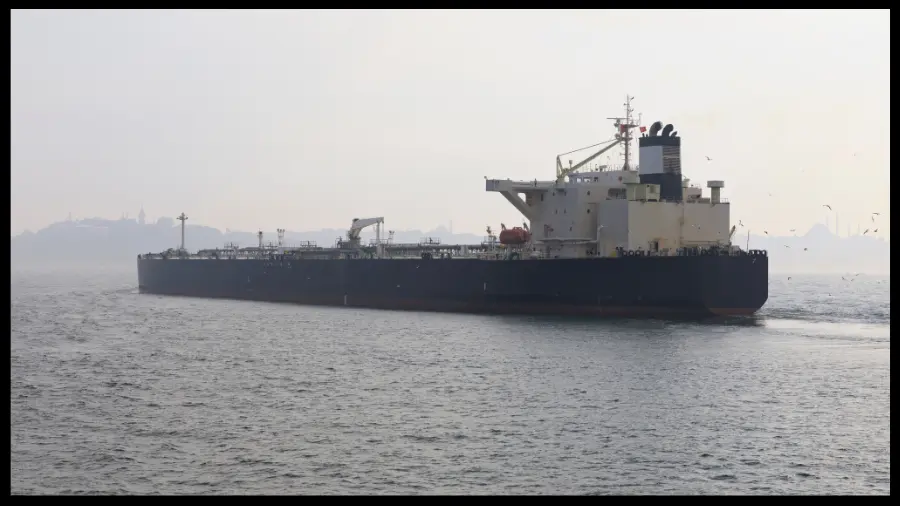
New Zealand has announced its largest Russia sanctions package to date, adding 100 vessels alongside new designations of 23 individuals and 13 entities. In the same update, New Zealand also lowered its crude oil price cap for Russian-origin crude (HS 2709) to USD $44.10. For shipping, the headline is not only the number of hulls, but the compliance ripple: a larger named-vessel list increases counterparty screening load, raises the chance of “no-go” decisions by insurers and service providers, and tightens operational flexibility for any trade with shadow-fleet adjacency.
Subscribe to the Ship Universe Weekly Newsletter
Click here for 30 second summary
New Zealand expands Russia-linked shipping sanctions
New Zealand amended its Russia sanctions regulations to designate 23 individuals, 13 entities, and add 100 vessels to its sanctions list. In the same update, New Zealand lowered its crude oil price cap for Russian-origin crude oil (HS 2709) to USD $44.10.
-
Action snapshot
100 named vessels added in one tranche, the largest NZ vessel addition so far. -
Documentation pressure
A lower oil price cap typically increases the amount of pricing and invoice evidence demanded through service and payment chains. -
Execution reality
Friction usually forms at approvals points: insurer comfort, vendor service decisions, and payment clearance timing.
Larger vessel lists raise the probability of screening hits and service denials on shadow-fleet-adjacent trades, increasing delay risk even when the voyage plan looks routine on paper.
| Reader shortcut | Package signal | Compliance trigger | Where friction lands first | Watchlist items |
|---|---|---|---|---|
| Named-vessel expansion |
100 vessels added in a single update.
Largest NZ vessel tranche to date.
|
More hulls become explicitly screenable in vendor tools and internal “do not service” policies. | Chartering, agency, bunkers, insurance placement, and finance checks can slow when a voyage has any shadow-fleet adjacency. | Whether counterparties require “clean AIS history” attestations and fuller beneficial ownership disclosure as a default. |
| Price-cap reset |
NZ lowered the Russian-origin crude oil price cap to USD $44.10.
Applies to HS Code 2709 in NZ measures.
|
Tightens documentary standards for any service chain touching Russian-origin crude, especially price and invoice support. | Compliance teams can push more “prove it” requests into fixture and voyage execution, not only at payment time. | Whether service providers widen the scope of “price-cap evidence packs” they require to stay comfortable. |
| Broader designation set | 23 individuals and 13 entities designated alongside vessels. | Adds additional counterparties and facilitators to screening, including entities linked to shipping and trade enablement. | KYC refresh cycles and counterparty onboarding timelines can lengthen for trades with multi-layer intermediaries. | Whether contracts add stricter sanctions reps for “managers, operators, and beneficial owners,” not only charterers. |
| Momentum context |
NZ has repeatedly expanded shadow-fleet vessel listings since 2025, including prior additions of 27, 19, and 64 vessels.
June 2025, September 2025, October 2025 updates.
|
“List growth risk” becomes a standing risk factor for any counterparty that depends on flag changes, management swaps, or opaque ownership. | Operators can see more conservative insurer posture on borderline voyages, even when the specific hull is not yet named. | Whether screening is expanded to “associated vessels” in the same management cluster, beyond the exact named hull. |
| Operational choke points | Vessel-specific lists pressure the service layer. | Denials or pauses can occur at routine points like P&I placement, bunkering, port services, and payments. | Schedule reliability takes the hit: delayed clearances can become extra days and missed windows. | Whether vendors require additional documentation earlier in the chain to avoid last-minute stoppages. |
Vessel-specific sanctions lists usually tighten vendor posture first, including P&I placement, port services, bunkers, and payments screening.
A lower NZ crude oil price cap can pull more pricing and invoice evidence into voyage workflows, not only into back-office settlement.
NZ has been expanding its vessel designations in repeated tranches since mid-2025, shifting this from episodic to systematic enforcement posture.
Typical execution feel: standard review cadence
We welcome your feedback, suggestions, corrections, and ideas for enhancements. Please click here to get in touch.