MSC keeps buying as secondhand spree tightens charter supply while rates cool
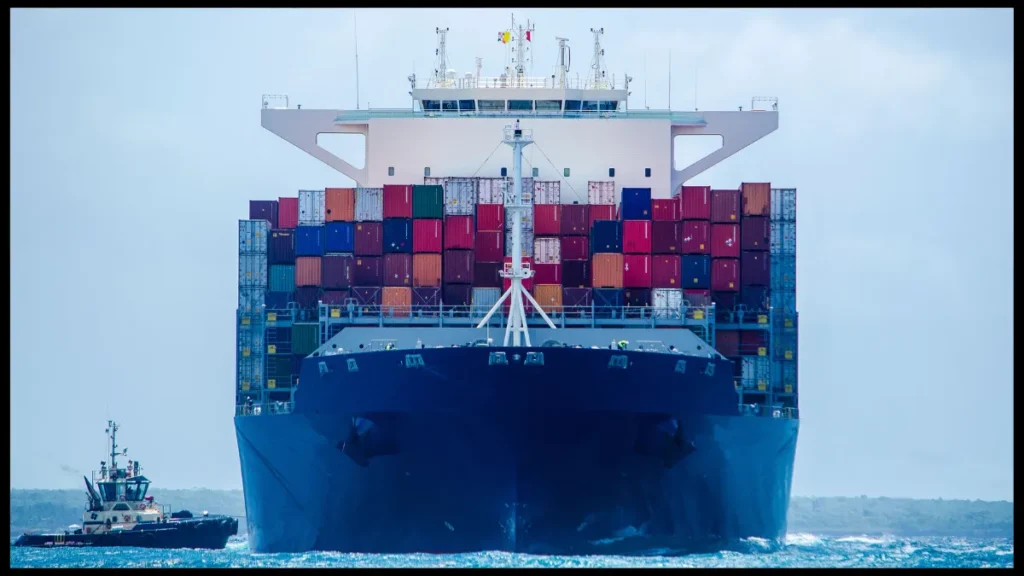
Fresh market reporting continues to link MSC to steady secondhand acquisitions across sizes, including mid-size ships that matter for weekly network coverage. The practical effect is less about one headline purchase and more about pace: ships that might have recycled through the charter pool are being absorbed into an end-user fleet, which can firm availability and keep asset values supported even when freight sentiment softens.
Subscribe to the Ship Universe Weekly Newsletter
Click here for 30 second summary
MSC keeps buying ships, and the charter market feels it later
Recent reporting links MSC to continued secondhand container ship acquisitions, including workhorse mid-size tonnage. The shipping impact is less about the headline count and more about what happens at redelivery: ships purchased with charters attached can roll straight into MSC deployment instead of returning to the open charter pool.
-
The mechanism that tightens availability
When end-users absorb secondhand ships, fewer units circulate back into “prompt” availability, which can firm charter terms in specific size bands. -
Network planning
Mid-size ships are the practical building blocks for weekly strings and regional relay, so absorption can reduce flexibility for carriers and charterers who rely on the open market. -
What to watch next
The tell is pace plus mix: how many buys continue, what sizes they target, and whether those ships reappear externally at charter expiry or stay inside owned fleets.
MSC’s secondhand spree is best read as a “circulation” story: the more ships pulled into a controlled fleet, the fewer ships re-offer into the charter market, shaping availability and pricing even when freight sentiment softens.
MSC’s secondhand pace is changing the feel of “available” ships
A steady run of purchases does two things at once: it locks tonnage into an end-user fleet, and it reduces the amount of optionality that normally returns to the charter pool after a time charter ends. The market effect is most visible in the practical size bands that keep weekly service strings together.
Deal markers from recent reporting
The story is momentum plus mix. Recent coverage has pointed to December purchases continuing, and separate analyst summaries have highlighted specific feeder and panamax acquisitions with existing charters attached, plus a large newbuilding novation into an MSC-owned entity.
Recent pace indicator
At least 8 ships in December (reported)
A pace signal, not a full census. Use it as “how active is the buyer” rather than a final total.
Year-to-date marker (at the time cited)
43 secondhand buys since January (analyst-cited)
Helps explain why prompt ships feel scarcer even when freight tone softens.
Example: panamax deal terms
Navios Magnolia: ~4,730 teu, ~US$35m
Reported as staying on time charter until H2 2026, which delays any “re-offer” to the open market.
Example: feedermax deal terms
Charm C: ~2,500 teu, ~US$25m
Reported as entering MSC service after an existing charter concludes in early 2026.
How a purchase tightens availability without “new demand”
Buy a ship that is already chartered
Cash changes hands, but the ship keeps trading. Market impact shows up later, at charter expiry.
Charter expiry becomes a decision point
Owner optionality shifts. A ship that might have been re-fixed externally can be pulled directly into the owner’s network.
Less tonnage re-enters the “open” pool
Fewer ships circulate. Charterers see fewer prompt options, especially in workhorse sizes.
Values can stay firm longer
Scarcity supports pricing. Even with softer freight expectations, the asset market can remain resilient if end-users keep absorbing supply.
Large-ship angle
A separate disclosure-driven case shows how “instant capacity” can also arrive via novation: a 14,000 teu ship under construction was novated to an MSC-owned entity at a total consideration of US$170m, including a reported premium above the original contract price.
Charter Pool Absorption Calculator
Translate secondhand buying into a simple “availability squeeze” lens for a specific size band. Defaults are placeholders so you can tune them to your lane, vessel class, and what you see in the market.
Expected ships removed from re-offer
3.4
Acquired × chartered share × re-offer share.
TEU withheld from re-offer
15,300
Removed ships × average teu.
Tightness index
17
Removed ships as % of your estimated open pool.
Quarterly “return window” estimate
1.1
How many might have returned each quarter, before absorption.
Availability feel
Firmer
A plain-language indicator derived from the index.
Time factor
9 months
Longer time pushes effects out, but it can still shape forward cover.
Bars: open pool vs “withheld from re-offer” (your assumptions)
MSC’s secondhand campaign is being watched less as a single set of deals and more as a sustained pattern: ships bought with charters attached can quietly reduce how much tonnage returns to the open market at redelivery, and that can keep “prompt availability” feeling tighter in practical mid-size segments. Recent analyst-cited reporting has also highlighted named feeder and panamax purchases with redelivery timing baked in, while corporate disclosures show MSC-linked entities continuing to take large capacity via novation, reinforcing the view that the group is still prioritizing fast control of tonnage across multiple size bands.
We welcome your feedback, suggestions, corrections, and ideas for enhancements. Please click here to get in touch.