MSC Ends Gulf Voyages: Nearest Safe-Port Discharge and $800 Per Container Surcharge
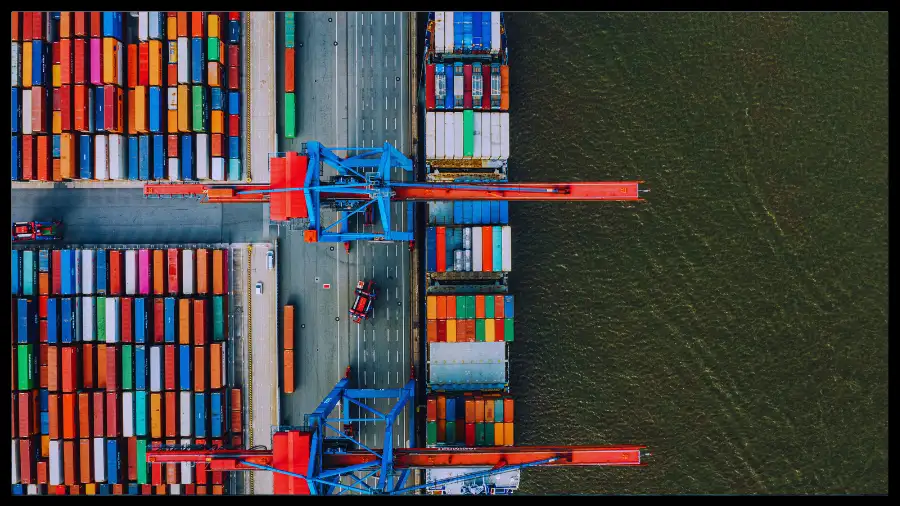
MSC has taken the rare step of declaring an “End of Voyage” for Arabian Gulf bound cargo under its custody, meaning shipments already on the water and even units still ashore will be routed to a designated nearest safe port for discharge, then placed at the customer’s disposal for local recovery. The decision shifts the operational problem from sailing reliability to cargo recovery, paperwork, and onward transport, with an across-the-board $800 per container deviation surcharge plus local discharge-related costs now falling to shippers.
Subscribe to the Ship Universe Weekly Newsletter
Click here for 30 second summary ▶
MSC declares End of Voyage for Gulf-bound cargo
MSC is ending carriage for Arabian Gulf bound shipments and diverting affected containers to the nearest safe discharge port. Cargo will be discharged there and made available to customers for local recovery. A mandatory USD 800 per container surcharge is being applied to cover deviation costs, and customers carry local discharge, storage, and onward transport costs at the safe-port location.
- What changes immediately
Destination shifts from the Gulf port to a safe-port discharge and handoff to the shipper. - Who is covered
Shipments under MSC custody (ashore or at sea) and empties already released for stuffing for the affected destinations. - Cost headline
USD 800 per container surcharge, plus local port and handling charges and any onward movement arranged after discharge.
| Reader shortcut | What MSC is doing | What happens to the container | New cost stack | Operational friction points | Next gates to watch |
|---|---|---|---|---|---|
| Safe-port discharge |
Gulf-bound shipments are diverted and discharged at the nearest safe port, then placed at the customer’s disposal.
Custody shifts at discharge
|
The container is made available for local recovery at the discharge port, which becomes the functional new endpoint for the original move.
Onward movement requires new arrangements after discharge.
|
Mandatory USD 800 per container deviation surcharge, plus handling, storage and other local port charges at discharge.
Local invoices often start immediately at availability.
|
The first bottlenecks tend to be documentation alignment, appointment systems, and securing drayage or onward space during volume surges. | Confirmation of designated discharge ports by trade lane, plus any updates expanding or narrowing destination scope. |
| Who is included |
Applies to shipments under MSC custody and care whether ashore or at sea.
Broad scope
|
Cargo not yet loaded can still be disrupted if the booking or equipment chain is tied to affected Gulf destinations. | Costs can start before loading if equipment is repositioned, held, or requires rebooking to alternate destinations. | Customer communication load spikes: revised ETAs must be anchored to the discharge-port plan, not the original Gulf port schedule. | Whether additional carriers follow with similar discharge-at-safe-port policies or broader booking suspensions. |
| Empty equipment exposure |
Empty containers released for stuffing for export to the affected destinations are included.
Export plans disrupted
|
Stuffed export plans may need to be paused, redirected, or rebooked depending on where the box is staged and which service is available. | Yard and depot charges can appear if the box sits while new routing decisions are made. | The operational fix is speed: confirm box status and move quickly to either rebook or recover to avoid storage and rehandling. | Depot release policies, cutoffs, and whether equipment becomes scarce in certain origin markets. |
| Forwarding option |
Forwarding to an alternate destination is not automatic and requires a new booking after discharge.
Two-stage shipment
|
The original move ends at the safe port; a second-stage move begins under a new booking with new terms and pricing. | New booking adds new freight and potential surcharges, plus onward handling and documentation work. | Securing capacity from the safe port can be the constraint if multiple carriers route cargo into the same “safe gateway.” | Availability of feeder capacity, transshipment windows, and whether congestion at the safe port grows. |
| Claims and audit posture |
The event shifts liability and timing sensitivity to the discharge-port handoff and local recovery chain.
Paper trail matters
|
Discharge receipts, timestamps, condition notes, and gate-out proof become essential for avoiding disputes. | Storage clock disputes and invoice mismatches are common when volumes surge and processes change fast. | Treat recovery like a controlled transfer, with a single internal owner responsible for documentation completeness. | Follow-on advisories clarifying discharge practices, dispute handling, and standardized port lists. |
End of Voyage changes the economics because it adds a mandatory deviation charge and shifts control to the shipper at the discharge port. The estimator below lets teams model the incremental cost stack quickly and compare three recovery paths. The goal is speed: reduce storage time, lock a clear recovery route, and avoid invoice surprises.
We welcome your feedback, suggestions, corrections, and ideas for enhancements. Please click here to get in touch.