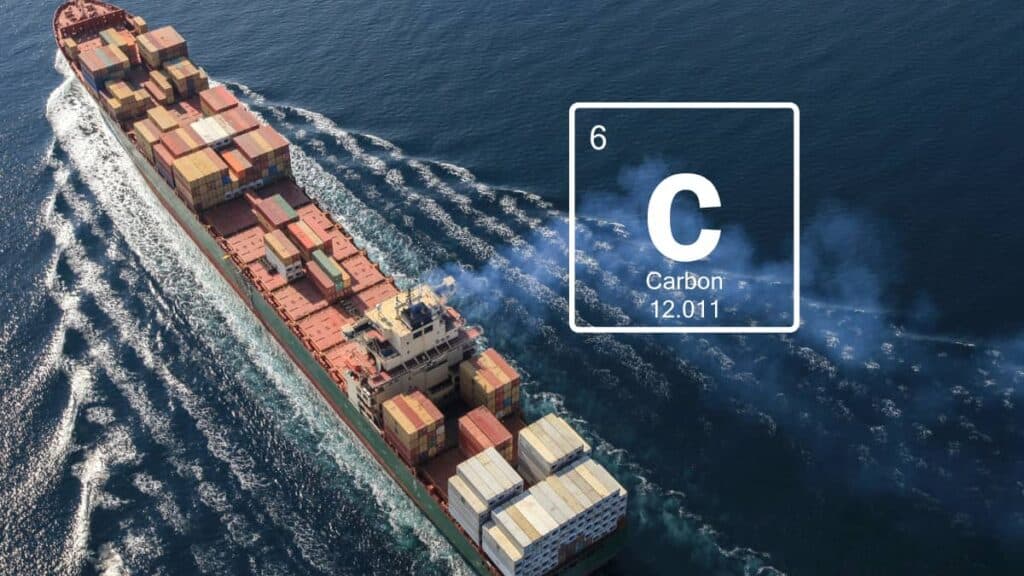
The push to cut shipping emissions is entering a decisive phase as global regulators introduce carbon pricing schemes and operators invest in low-emission technologies. With mounting pressure to meet international climate targets, the maritime industry is seeing a sharp rise in pilot projects, fuel transitions, and regulatory enforcement across key regions.
Recent Policy Developments in Maritime Decarbonization
New policies across global institutions are rapidly redefining how maritime shipping must address carbon emissions. From binding carbon taxes to trading schemes and clean fuel mandates, these frameworks are forcing fleet owners, ports, and shippers to accelerate their decarbonization plans. The table below outlines the top policy actions influencing the industry’s trajectory.
Global Maritime Policy Developments
Policy
Region/Authority
Summary
IMO Net-Zero Framework
International Maritime Organization (UN)
Mandates GHG intensity cuts for ships over 5,000 GT. Includes carbon pricing and a Net-Zero Fund to support climate-aligned shipping, to be enforced from 2027.
Global Carbon Tax
IMO Member States
Approved in April 2025, a carbon tax on international shipping emissions will begin in 2027 to fund clean tech and resilience efforts globally.
EU ETS Extension
European Union
Shipping is now included in the EU Emissions Trading Scheme. Coverage ramps from 40% in 2025 to 100% by 2027, requiring carriers to buy carbon allowances.
FuelEU Maritime Regulation
European Union
Mandates reductions in onboard fuel GHG intensity starting 2025. Aims for 6% GHG cut by 2030, scaling to 80% by 2050.
Carbon Border Tariff Study
Australia
Australia is evaluating carbon tariffs on high-emission imports such as cement and steel, potentially impacting maritime cargo policies and pricing.
Note: Data reflects developments from verified regulatory and news sources.
Technological Innovations
As the global maritime sector accelerates its transition to low- and zero-emission operations, technological innovation continues to lead the charge. In just the past few weeks, groundbreaking advancements have emerged across key categories—from alternative fuels and digital optimization to large-scale battery-powered vessels and carbon capture solutions. Together, these initiatives signal a profound shift in how shipping companies are approaching compliance, efficiency, and environmental responsibility.
Recent breakthroughs include:
Commercial-scale e-methanol production to support green fuel demand
Record-setting fully electric ferries entering active service
Carbon capture systems designed for real-world maritime use
Digital queueing systems that cut idle time and emissions
These developments reflect a fast-evolving landscape, where climate imperatives and shipping innovation are now inseparably linked.
Technological Innovations in Maritime Decarbonization
Technology
Description
Impact
E-Methanol Production
European Energy and Mitsui opened the world’s first commercial e-methanol facility in Denmark, producing 42,000 tons annually using renewable power and captured CO₂. Maersk is a key offtaker for its dual-fuel fleet.
Enables scalable supply of green methanol fuel, reducing lifecycle emissions for long-haul shipping.
Fully Electric Ferry
Incat launched the world’s largest fully electric ship (Hull 096), a 400-foot catamaran ferry for Buquebus, powered by 250 metric tons of batteries.
Represents a breakthrough in zero-emission high-capacity ferry transport; no fossil fuels used in operation.
Onboard Carbon Capture
Wärtsilä released a carbon capture system for maritime engines capable of removing up to 70% of CO₂ emissions during voyages.
Provides retrofit options for existing fleets facing upcoming emission regulations.
Solar-Powered Synthetic Diesel
Swiss firm Synhelion created synthetic diesel from sunlight, CO₂, and methane using a high-temperature solar reactor, successfully powering a test vessel.
Demonstrates potential for carbon-neutral fuel with no need for engine modification.
Digital Queueing Systems
Los Angeles and Long Beach ports implemented appointment-based systems to optimize vessel arrivals. Studies show up to 24% emissions reduction from reduced idling.
Low-cost, high-impact emissions reduction strategy already deployable across global ports.
Note: Based on confirmed announcements and commercial rollouts.
Technological Innovations
Industry Challenges in Maritime Decarbonization
Despite the promising surge in alternative fuels, carbon-reducing technologies, and regulatory frameworks, the maritime industry faces a web of challenges slowing its path to net-zero. These challenges are structural, financial, operational, and even political in nature, often intersecting across international waters.
Key obstacles include:
Inconsistent global regulations that complicate compliance.
High capital costs for retrofitting or replacing existing vessels.
Infrastructure gaps at ports and bunkering hubs.
Technology readiness mismatches.
Industry hesitation due to uncertain ROI and fuel availability.
Below is a detailed breakdown of the most pressing issues:
Maritime Decarbonization – Key Industry Challenges
Challenge
Description
Impact on Decarbonization
Infrastructure Gaps
Limited availability of bunkering infrastructure for alternative fuels such as methanol, ammonia, and hydrogen at key global ports.
Restricts scalability of green fuel-powered vessels and discourages investment in next-gen ships.
Uncertain Fuel Availability
Lack of consistent global supply chains for green fuels creates uncertainty in voyage planning and long-term operations.
Delays transition as shipowners are reluctant to invest in vessels with uncertain fuel sources.
Fragmented Regulations
Different regions and countries implement their own carbon pricing, emissions standards, and compliance timelines.
Increases compliance costs and operational complexity, especially for international shipping lines.
High Retrofit Costs
Installing carbon capture or alternative propulsion systems on existing vessels requires multimillion-dollar investments.
Financial barrier for smaller operators and slows retrofitting across older fleets.
Technology Maturity
Some promising technologies like hydrogen propulsion and onboard carbon capture are still in pilot or early deployment stages.
Makes it risky for large-scale adoption without more data on operational viability and ROI.
Skilled Labor Shortage
New fuel systems and digital tools require updated training for seafarers, port operators, and ship technicians.
Delays implementation and increases the risk of operational errors or safety concerns.
Note: Compiled from official IMO briefings, market reports, and port authority assessments.
The maritime industry's journey toward decarbonization is marked by significant advancements in policy and technology. However, as highlighted in recent reports, substantial challenges persist that could impede progress. These include infrastructure limitations, regulatory fragmentation, and financial constraints, among others.
To fully realize the potential of decarbonization efforts, a coordinated global approach is essential. This involves harmonizing regulations, investing in infrastructure, and fostering innovation to overcome existing barriers. The coming months will be crucial in determining whether the maritime sector can navigate these challenges and set a definitive course toward a sustainable future.