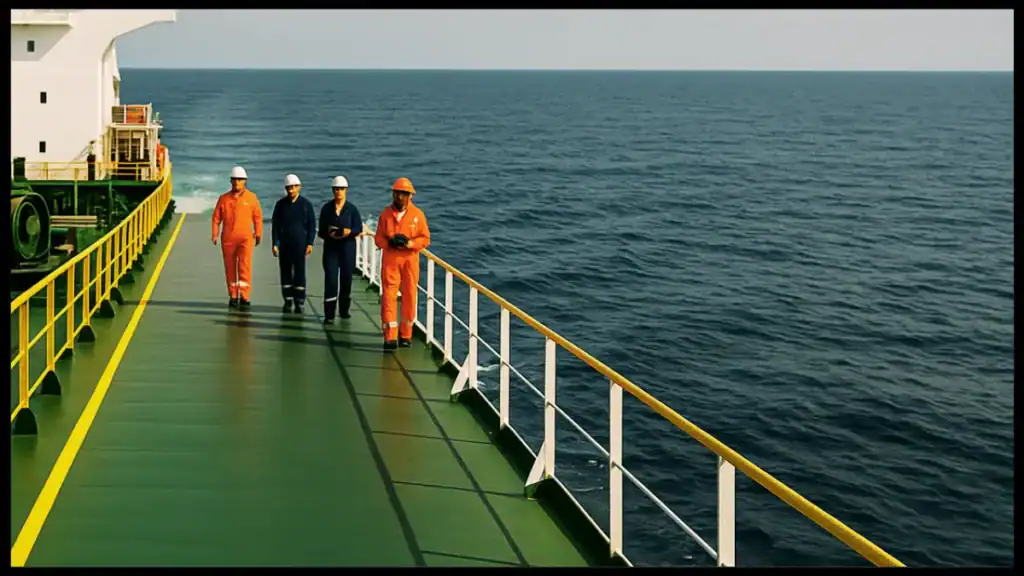
From high-tech simulation centers in Southeast Asia to financial aid programs for future cadets in the U.S., this new wave of workforce initiatives highlights a shared urgency: replenish the aging crew base, modernize training systems, and prepare mariners for tomorrow’s green and digital fleet. Recent developments are shaping maritime career pathways worldwide.
Major Maritime Workforce & Training Updates
Initiative
Region
Key Developments
Industry Impact
Advanced Maritime Simulation Center
Malaysia (Wärtsilä)
Launch of state-of-the-art simulation facility for advanced crew training
Enables realistic and scalable seafarer preparation for next-gen ships
Joint Training Vessel Donation
Japan (MOL, NYK, K Line)
New JMETS training ship project launched, delivery slated for 2030
Addresses aging infrastructure and increases cadet berths
Canadian Crew Gap Forecast
Canada
43% of marine workforce to retire within 10 years, 19,000+ openings projected
Urgent need for recruitment and technical training investments
Pay-It-Forward Sea Term Fund
United States (SUNY Maritime)
Income-contingent fund launched for at-sea training costs
Improves access and retention for lower-income cadets
Trainer Upskilling for Green Fuels
Global (IMO + GIZ)
New ToT programs launched on PtX fuels and decarbonization training
Helps create a qualified pipeline for zero-carbon fleet operations
Note: Table based exclusively on verified maritime workforce announcements and training sector developments.
Industry Impact Overview:
Maritime careers are experiencing a pivotal transformation driven by generational turnover, evolving skill demands, and infrastructure modernization. Recent developments reflect a growing urgency across regions to strengthen training pipelines and ensure continuity of maritime expertise.
Key Points:
Major fleet operators are now investing directly in training infrastructure to address skill shortages and aging vessels.
Government and academic programs are emerging to reduce financial barriers for cadets, aiming to attract more diverse talent.
The shift toward green fuels is placing pressure on institutions to rapidly upskill trainers in emerging propulsion technologies.
Workforce retirement trends in regions like Canada and parts of Europe signal an upcoming global talent gap that must be addressed now.
Core Maritime Career Challenges Identified
Challenge
Current Impact
Root Cause
Focus Area
Aging Maritime Training Fleets
Limited sea-time availability for cadets in major nations
Delayed replacement of aging training vessels and reduced government funding
Public-private shipbuilding partnerships for cadet ships
Low Cadet Enrollment in Advanced Fuel Skills
Mismatch between fleet decarbonization goals and crew readiness
Lack of curriculum and instructors for ammonia, methanol, and hydrogen systems
Accelerate “Train-the-Trainer” and digital module rollouts
Seafaring Job Dropout Post-Certification
Qualified individuals leaving before first sea contract
High personal cost, perceived lifestyle hardship, and isolation
Mentorship programs and better onboard conditions
Regional Gaps in Simulation Access
Many cadets lack access to full-mission bridge or engine room simulators
Technology concentration in wealthier port regions
Decentralized, mobile training centers in underserved areas
Slow Integration of Soft Skills
Crew cohesion and onboard leadership issues reported by operators
Training focused only on technical certification paths
Include communication, conflict resolution, and DEI modules in cadet programs
Note: Table based exclusively on maritime workforce reports, maritime academy benchmarks, and crew training data across major economies.