Marinera Escort Escalation Puts Shadow Fleet Risk Back on the Radar
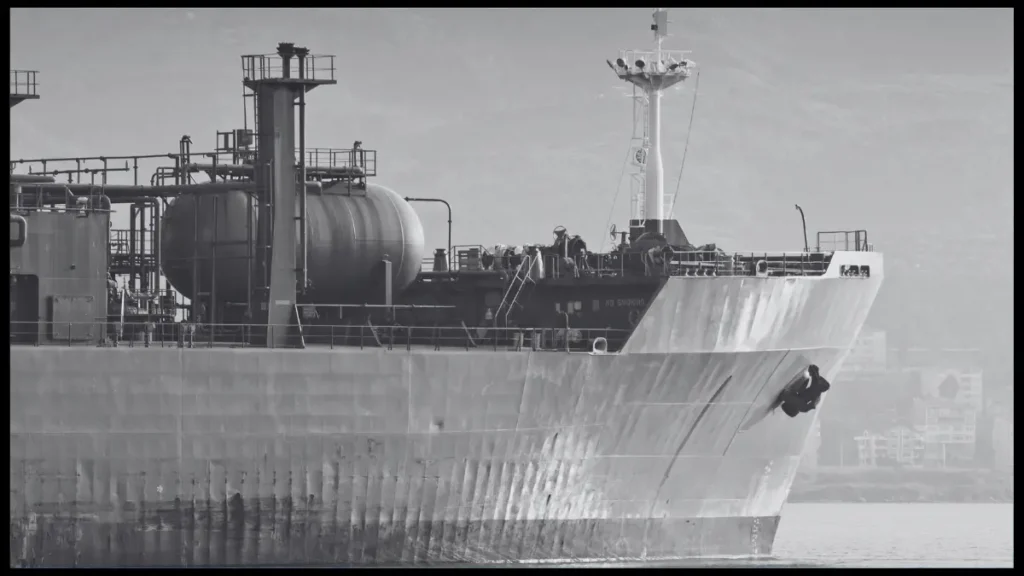
The pursuit of the tanker Marinera has escalated from an enforcement chase into a state-signaling episode after reporting said Russia dispatched naval assets, including a submarine, to escort the vessel while U.S. forces continued to track it. The case matters beyond one ship because it tests how quickly a targeted tanker can try to “re-label” itself through reflagging and registry protection, and how that can raise the perceived political and legal cost of any boarding or seizure attempt at sea.
Subscribe to the Ship Universe Weekly Newsletter
Click here for 30 second summary
The Marinera pursuit in one read
Reporting says the tanker Marinera, linked in coverage to shadow-fleet patterns, was pursued while Russia-linked naval assets moved to escort it, raising the stakes around any at-sea action. The episode also featured identity and flag-signaling behavior during the chase, which tends to trigger heavier scrutiny from insurers, ports, and service providers well beyond the single vessel.
-
Escalation marker
Escorting assets change the risk calculus and make enforcement outcomes harder to predict. -
Friction travel path
Once a case becomes high-profile, approvals slow first: underwriting, port acceptance, and service confirmations tighten rapidly. -
Behavior shift risk
Expect more reflagging attempts, more documentation challenges, and more caution around routing and visibility management for similar voyages. -
Next detail to watch
Where the ship ultimately calls and whether follow-on actions broaden screening to linked parties and adjacent routes.
The headline is the chase, but the industry impact is the spillover: higher compliance friction and tighter operating conditions for voyages that resemble the same playbook.
Escalation signal
An enforcement pursuit became a state-signaling episode once escorting naval assets entered the picture.
Identity and flag behavior
A reflag and registry posture change can shift optics and legal complexity, even if sanctions exposure remains the commercial issue.
Where costs land first
Insurers, ports, and service providers tend to slow decisions when a ship’s track history or identity signals change mid-voyage.
Escalation mechanics in shipping terms
Screening teams treat the vessel and any close analogs as “high touch,” which increases manual review time and the chance of holds.
Counterparties re-check registry status, ownership signals, and track consistency, with less reliance on automated “green light” workflows.
The perceived cost of interdiction rises, and the commercial system reacts by widening exclusions and tightening clauses for similar routes and patterns.
Voyages that resemble the pattern can face slower approvals, extra documentation requests, and higher risk premiums even without direct involvement.
Diversion time
0.00 d
Diversion fuel cost
$0
Delay days if triggered
0.00 d
Delay cost if triggered
$0
Added premium
$0
Expected added cost
$0
Expected extra days
0.00
Expected cost per barrel
$0.00
This is a simplified model to visualize friction. It treats extra reviews as time, and time as cost through daily hire or TCE.
The Marinera pursuit is being watched as a test case for how far sanctions enforcement at sea can be pushed once a targeted tanker shifts its flag posture and an escort narrative enters the public record. The nearer-term market effect is less about spot rates and more about transaction speed, with insurers, ports, and service providers typically tightening review and acceptance standards for voyages that resemble the same playbook.
We welcome your feedback, suggestions, corrections, and ideas for enhancements. Please click here to get in touch.