Key Insurance Rates Double Amid Rising Conflict Zones
Subscribe to the Ship Universe Weekly Newsletter
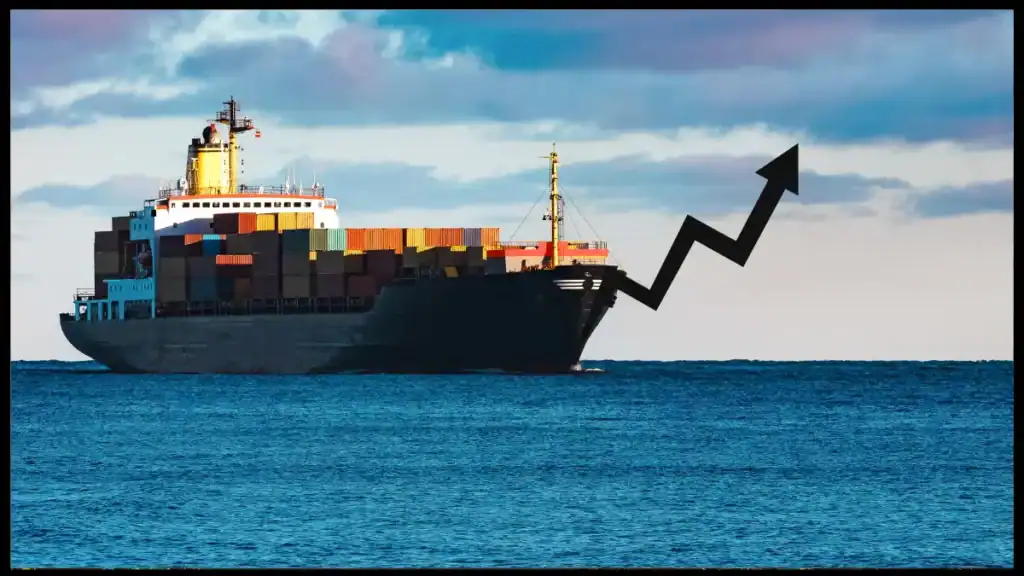
According to multiple industry sources, war-risk insurance premiums for ships transiting the Red Sea have more than doubled in just days following recent Houthi attacks, including hits on the Magic Seas and Eternity C. Premiums surged from approximately 0.3% to a range of 0.7–1.0% of vessel value, translating to tens or hundreds of thousands of dollars extra per voyage, prompting some underwriters to pause coverage entirely for certain flagged ships
Industry Impact Overview:
The dramatic increase in war-risk insurance premiums is forcing global shipowners to make costly operational shifts, reroute vessels, and reevaluate financial exposure. With some underwriters pausing coverage and others charging nearly triple previous rates, maritime stakeholders are confronting both elevated voyage costs and geopolitical uncertainty. The premium spike has become one of the clearest economic signals of escalating instability in the Red Sea corridor.
Key Impacts:
- Surge in Operating Costs: Vessels transiting the Red Sea are now paying hundreds of thousands more in war-risk coverage, directly affecting profit margins.
- Rerouting to Avoid Coverage Gaps: With certain underwriters pulling coverage entirely, operators are diverting ships around the Cape of Good Hope despite fuel and time penalties.
- Underwriter Repositioning: Insurance providers are tightening route declarations, implementing stricter scrutiny, and demanding vessel flag transparency before issuing policies.
- Regional Premium Disparities Grow: Rates remain relatively stable in the Indian Ocean or Southeast Asia, incentivizing route and port changes to avoid the Red Sea.
- Pressure on Charterers & Clients: The increased insurance burden is being passed on in freight rates, forcing charterers and shippers to renegotiate contracts and logistics schedules.
We welcome your feedback, suggestions, corrections, and ideas for enhancements. Please click here to get in touch.