Iraq’s Export Engine Stalls as Tankers Stop Arriving and Storage Hits the Ceiling
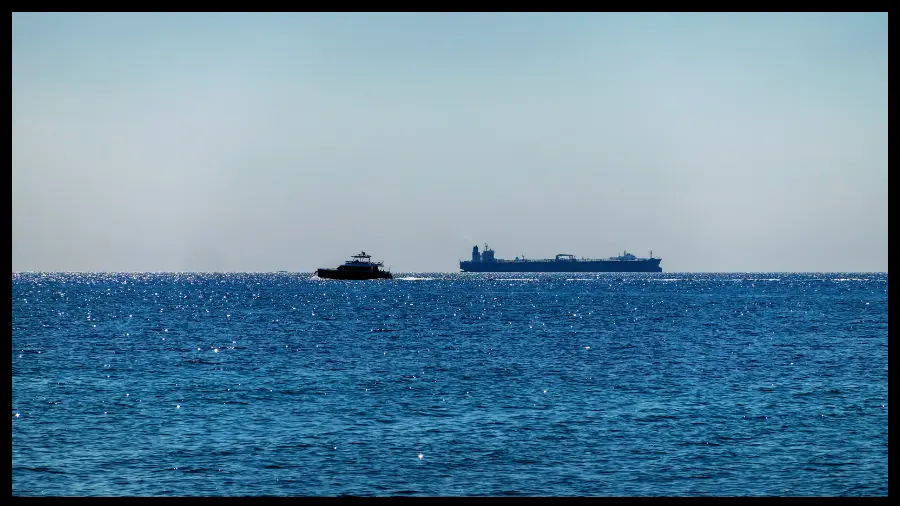
Iraq’s southern oil system is sliding into a forced slowdown because the export chain is breaking at the last link. With tanker movements constrained and new liftings failing to materialize at Basra-area terminals, crude that normally flows out at scale is backing up into storage, pushing operators to cut production sharply and divert the remaining barrels toward domestic refineries. The immediate shipping signal is simple and brutal: when the queue of lifting tankers disappears, exports collapse within hours.
Subscribe to the Ship Universe Weekly Newsletter
Click here for 30 second summary of the full piece ▶
Iraq output and exports drop hard as liftings fail
Iraq’s southern oil output has fallen by roughly 70% to about 1.3 million bpd from around 4.3 million bpd as exports through Basra-area terminals slow sharply due to the tanker shortage and movement constraints. Exports were reported around 800,000 bpd, with only two tankers loading before activity stalled, and officials warned exports could halt entirely if no new tankers arrive.
- Scale of the hit: output down about 70%; exports down from February levels above 3.3 million bpd to about 0.8 million bpd.
- Immediate mechanism: storage fills, terminals lose outbound liftings, and production gets cut to protect the system.
- Next signal to watch: whether a new wave of tankers can safely reach the southern terminals, restarting the lifting rhythm.
When liftings stop, Iraq’s system hits a hard physical limit fast: production must be cut, exports fall within hours, and the restart depends on tanker access and terminal rhythm, not upstream reservoir capacity.
| Fast reader take | Hard numbers moving | Operational choke point | Negative shipping consequence | Shows up first | Closest stakeholders |
|---|---|---|---|---|---|
| Production is being throttled to protect the system |
Output reported down about 70% to roughly 1.3 million bpd from around 4.3 million bpd.
4.3 to 1.3 mbpd
System protection cuts
|
Storage is filling faster than it can be drawn down when outbound liftings fail. | Less prompt crude available for term and spot buyers, plus unstable program timing and rescheduling pressure. | Field-by-field cut announcements, refinery diversion volumes, and slower terminal nominations. | SOMO counterparties, producers, refinery planners, crude schedulers. |
| Exports drop sharply when the tanker queue vanishes |
Exports reported around 800,000 bpd versus February levels above 3.3 million bpd.
3.3 to 0.8 mbpd
Feb reference
|
New tankers cannot reach the southern terminals in sufficient numbers to sustain normal lifting cadence. | Buyers face delayed cargoes, substitution needs, and higher delivered-cost uncertainty. | AIS arrival patterns and daily loading count at Basra-area terminals. | Oil majors, traders, Asian refiners, freight desks. |
| A couple of liftings can be the difference between flow and stop |
Only two tankers were reported to have loaded before activity stalled.
Two liftings
Stop behavior
|
Terminal throughput depends on a steady stream of compliant vessels, approvals, and safe movement corridors. | Once liftings break, exports can fall to near zero rapidly, amplifying price moves and freight spikes. | Sudden gaps in loadings, anchorage build-up, and revised terminal ETAs. | Terminal operators, pilots, agents, insurers, P&I and war-risk. |
| Domestic refinery diversion becomes the pressure release |
Officials described redirecting remaining output to supply domestic refineries as exports falter.
Domestic draw
Export shortfall
|
Refinery intake is the fastest outlet when exports are constrained, but it is not sized to replace full export flow. | Less exportable crude means less cargo availability and more uncertainty for overseas buyers. | Product balances, local supply priority decisions, and reduced export nominations. | Iraq domestic market stakeholders, product traders, regional supply chains. |
| Financial stress rises quickly because oil pays for the state |
Iraq relies on oil for more than 90% of income and nearly all public spending in cited reporting.
Fiscal dependency
Revenue shock
|
Export stoppage is not just a logistics issue; it becomes a cashflow constraint rapidly. | Higher counterparty risk sensitivity and tighter terms across the trade chain. | Payment timing, credit terms, and insurance posture on Iraq-linked trades. | Banks, insurers, traders, government finance, risk desks. |
Export stoppage math that ops teams can use immediately
When liftings fail, the two questions that matter operationally are volume lost and how quickly it becomes a storage problem. This tool sizes lost export volume, rough revenue exposure, and the number of VLCC-equivalent liftings needed to clear a backlog once access resumes.
Near-term operating picture
- Output cut depth: reporting described a drop to roughly 1.3 million bpd from about 4.3 million bpd.
- Export collapse: reporting cited exports around 800,000 bpd after only two liftings, with warnings exports could cease if no new tankers arrive.
- System behavior: once storage fills, remaining barrels get redirected to domestic refineries and production is throttled.
Export halt impact sizer
Use your own assumptions. Defaults are set to match the reported scale of the disruption, but you can change everything.
The export system does not degrade gracefully. Once liftings fail, the constraint becomes physical storage and terminal cadence, forcing sharp production cuts and making the restart dependent on how quickly tankers can return and how many parcels can be loaded per day.
We welcome your feedback, suggestions, corrections, and ideas for enhancements. Please click here to get in touch.