Iran temporarily closes parts of the Strait of Hormuz for live fire drills, shipping transits disrupted for hours
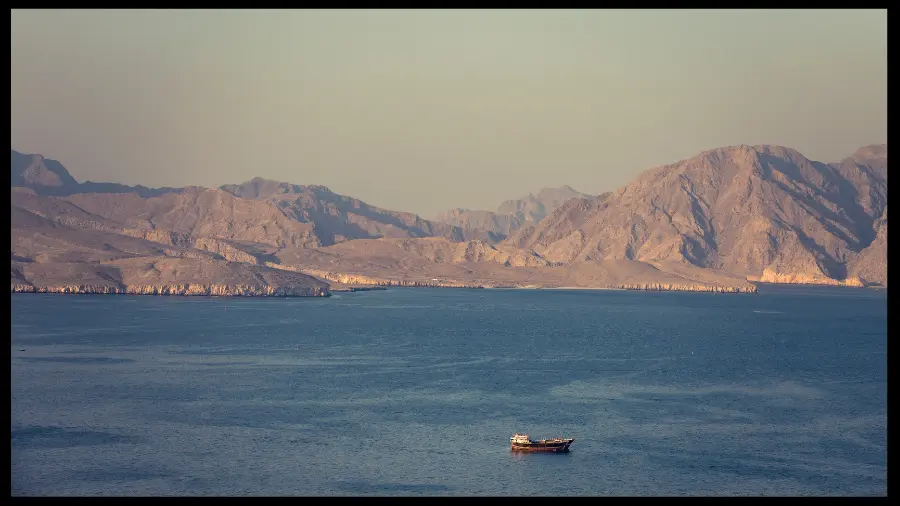
Iran temporarily closed parts of the Strait of Hormuz for several hours on Tuesday, February 17, 2026, citing safety and security precautions during Revolutionary Guard live fire drills, according to Iranian media and multiple international reports. The Strait is a core chokepoint for crude and product exports, so even a short interruption can ripple quickly through tanker sentiment, war risk posture, and near term fixture behavior.
Subscribe to the Ship Universe Weekly Newsletter
Click here for 30 second summary
Hormuz hours-closure in one read
Iran temporarily closed parts of the Strait of Hormuz for several hours on Tuesday, February 17, 2026, with Iranian media describing the move as a safety and security precaution during live fire military drills by the Revolutionary Guard. Reports frame the action as a rare, time-limited disruption at a chokepoint that is central to Gulf crude and product exports.
-
What happened
Multiple reports say parts of the Strait were shut for hours while drills were conducted, rather than an open-ended closure. The stated rationale in coverage was maritime safety during the exercise window. -
Why hours still matter
Even short closures can create a queueing pulse that compresses schedules and delays passages, which then becomes visible in chartering decisions and how quickly counterparties discuss risk clauses and transit posture. -
What to watch next
The key follow-on signal is repetition or escalation. Markets typically respond more to a pattern of interruptions, new guidance, or wider restrictions than to a single short stoppage.
A short Hormuz disruption is a fast sentiment event for tankers and Gulf-linked supply chains. The immediate mechanism is queueing and timing risk, and the broader watch is whether this remains a one-off drill window or becomes a repeatable chokepoint risk pattern.
| Event summary | Timing and trigger | Operational choke effects | Fast market transmission | Closest stakeholders |
|---|---|---|---|---|
|
Temporary closure for drills
Iran said it shut parts of the Strait for several hours.
|
Reported on Tue, Feb 17, 2026, tied to live fire military exercises and safety precautions.
Reports cite Revolutionary Guard drills and a maritime safety rationale.
|
Short stoppages can create a queueing wave at a narrow transit lane, with knock-on timing impacts for vessels staged for passage.
The immediate friction is waiting time and convoy style sequencing.
|
Sentiment can move before fundamentals: fixture hesitation, risk premium discussions, and higher focus on transit advisories.
Pricing response often appears first in short dated inquiries and positioning.
|
Tanker operators, chartering desks, marine insurers, P and I, ship managers, and security advisers supporting Gulf transits. |
|
Chokepoint sensitivity
Hormuz is a global oil transit gate.
|
The closure coincided with heightened regional tensions and ongoing diplomacy headlines in parallel coverage. | Even partial closures can change effective capacity by stretching voyage time with waiting and re-sequencing. | War risk posture can reprice quickly when there is a visible signal, even if physical disruption is brief. | Crude and product charterers with Gulf load ports, terminals, and scheduling teams coordinating laycans. |
|
What was said publicly
Safety and security precautions were cited.
|
Iranian media references included closure language for hours and live fire activity. | Traffic management, VHF instructions, and routing constraints can raise navigational workload and compliance requirements. | Short disruptions often show up as: higher optionality demands in voyage planning and faster escalation to security protocols. | Masters and bridge teams, port agents, and voyage operations teams responsible for transit windows. |
|
The key question after reopening
Duration matters less than follow-on pattern.
|
The market watch is whether closures repeat, expand, or come with new guidance for transiting vessels. | Repeated short closures can be more disruptive than a single event because they break schedule reliability and compress arrival bunching. | Traders and charterers watch for sustained risk premium, not just a one-day headline. | Cargo owners, refiners, and product exporters exposed to Gulf loading windows and downstream inventory timing. |
Short closures tend to produce an operational pulse: vessels slow down or wait, passages bunch, and downstream schedules compress. The bigger market signal is whether there is repetition, expansion, or new transit guidance.
This converts a short closure into a structured impact lens: waiting time, delay cost, bunker burn on delay, optional speed-up bunker uplift, and optional war-risk add-on.
The Strait reopened after the reported hours long disruption, but the shipping signal is the same: chokepoints do not need to be closed for long to change behavior in the very near term. The next hard tells will be whether similar drill windows recur, whether any new transit guidance or advisories appear for Gulf traffic, and whether counterparties start pricing a higher risk cushion into short dated fixtures and insurance posture.
We welcome your feedback, suggestions, corrections, and ideas for enhancements. Please click here to get in touch.