Iran frees St. Nikolas quietly as the two-year detention ends without fanfare
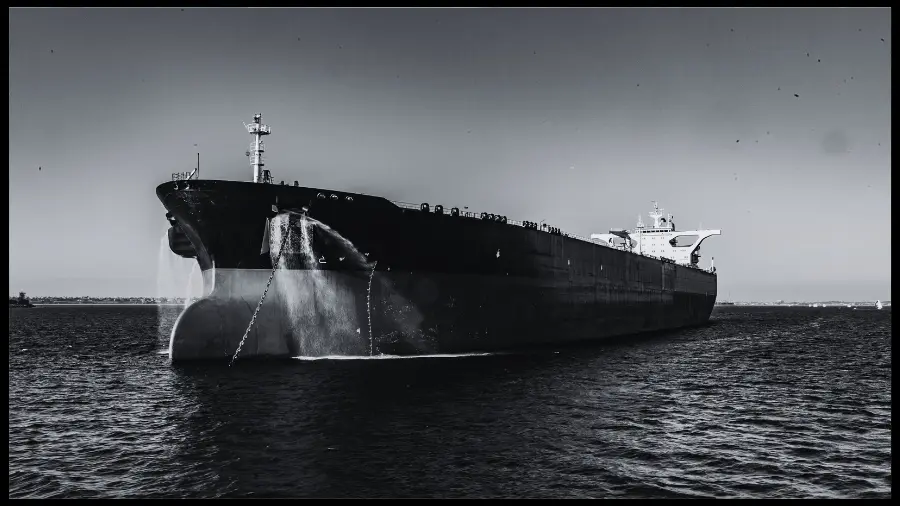
Iran appears to have released the Greek-owned Suezmax St. Nikolas, which it seized in January 2024, after a maritime monitoring service reported the release on January 12, 2026. The low-profile nature of the release matters in shipping because it changes the “detention risk” assumptions owners and charterers bake into Gulf transits, and it can influence how quickly underwriters relax heightened scrutiny that builds up around politically-linked seizures.
Subscribe to the Ship Universe Weekly Newsletter
Click here for 30 second summary
St. Nikolas is released, but Gulf detention risk stays in the math
Reuters reported a monitoring service said Iran has “secretly released” the Greek-owned tanker St. Nikolas after about two years. The ship was seized in Jan 2024 in a dispute tied to a prior U.S. confiscation when the vessel sailed as Suez Rajan.
-
Tail-risk eases, friction lingers
A long hold ending quietly can soften worst-case assumptions, while screening and clause discipline often remains tight. -
Cost is mostly time
Detention economics are dominated by duration, because daily vessel cost keeps running even when cargo outcomes are resolved earlier. -
Market reaction is conditional
Counterparties tend to look for repeatability, one case closing out helps, but a new incident would tighten posture quickly.
The St. Nikolas release reduces one high-profile overhang, but it does not remove the region’s detention premium. The near-term effect is likelier in terms, documentation cadence, and scheduling buffers than in any single headline rate print.
| Focus | Verified tape | Shipping mechanics that change first | Commercial knock-on |
|---|---|---|---|
| Release | Vessel-monitoring service said Iran appears to have released the Greek-owned Suezmax St. Nikolas (reported Jan 12, 2026). | Reduces the “tail-risk” of an indefinite hold for that specific case, but does not remove regional seizure risk. | Underwriters and charterers may treat it as a de-escalation datapoint, while keeping elevated documentation standards. |
| Why it was held | Iran seized the tanker in Jan 2024 while carrying Iraqi crude bound for Turkey; Iran linked it to retaliation for a 2023 U.S. confiscation. | Shows how quickly cargo, flag, and ownership links can become a detention trigger in Gulf/Oman-area transits. | Charterparty language can tighten around deviation, termination, and risk allocation when “retaliation logic” is in play. |
| Sanctions enforcement link | Reuters said the ship had previously sailed under a different name (Suez Rajan) when the U.S. action occurred. | Name/asset history becomes an operational factor: counterparties re-check vessel background and trade patterns. | Compliance screening intensity rises after high-profile cases, affecting fixture speed and acceptable counterparties. |
| “Quiet” release effect | Reporting described the release as low-profile, with limited additional detail immediately available. | Low clarity keeps some uncertainty in routing decisions because operators cannot map the precise conditions of release. | Insurance posture typically normalizes gradually; the first easing, if any, shows up in quote terms before headline premiums. |
| Near-term shipping impact | Event sits inside the broader pattern of tanker seizures and enforcement tension in the region. | Route choice still depends on perceived enforcement/retaliation tempo, not just this single case closing out. | Tonnage can still price in a “detention probability” wedge, especially for politically-linked cargo exposure. |
| Who watches closest | Owners, charterers, insurers, and compliance teams track whether releases coincide with a broader easing in seizure activity. | Fixture optionality improves if counterparties believe detention risk is trending down, even slightly. | A softer posture can reduce friction costs; a renewed incident would re-tighten terms quickly. |
St. Nikolas is free again, but detention risk stays priced into Gulf transits
A quiet release after a long hold tends to loosen the most extreme tail-risk assumptions, while leaving day-to-day screening, documentation, and clause discipline largely intact. The market takeaway is less about one hull returning and more about how fast counterparties believe “detention probability” is changing.
Case timeline (high-level)
U.S. confiscation of the vessel and its oil was reported when it sailed under its former name, Suez Rajan. That action later featured in Iran’s stated retaliation logic.
Iran seized St. Nikolas while it carried Iraqi crude destined for Turkey. Detention moved from “possible” to “real” for operators watching the lane.
Reuters reported Iran released the oil cargo from the tanker. Cargo and vessel outcomes can decouple.
TankerTrackers said Iran has “secretly released” the tanker after about two years. Low detail keeps some uncertainty in the market reaction.
How detentions transmit into shipping economics
Time risk becomes a cost line
Even when base freight is unchanged, delay uncertainty pushes buffer days, contingency planning, and higher all-in voyage cost.
Documentation intensity rises first
After a high-profile case, counterparties tend to demand tighter screening and clearer trade-chain narratives before committing.
Clause friction can outlast headlines
Routing discretion and detention allocation language often remains “tight” long after the triggering incident fades.
A single case shapes probabilities
Markets do not need frequent seizures to price risk. They need a credible scenario that a detention can happen and persist.
Where the ripple shows up fastest
Owners and operators
Participation and routing optionality
Detention uncertainty narrows which voyages owners are comfortable accepting, especially when trade-chain questions are complex.
Charterers
Fixture speed and fallback planning
When scrutiny rises, fixtures can take longer and alternatives become more valuable even if they are not used.
Insurers
Conditions, not just pricing
Terms and information requirements can tighten before any widely visible change in premium levels.
Ports and services
Administrative friction and delays
More questions and checks can stretch port calls and scheduling, which effectively absorbs vessel-days.
Detention Risk Cost Tool (expected-value view)
Scenario tool to translate detention uncertainty into a single “expected cost” number using your assumptions. Output is illustrative and meant for discussion.
Cost if detention occurs (USD)
$0
Days × daily cost + fixed costs (legal, cargo, other).
Expected cost per voyage (USD)
$0
Probability × cost if detention occurs.
Expected delay-days (days)
0
Probability × detention duration.
If detention occurs, cost mix
We welcome your feedback, suggestions, corrections, and ideas for enhancements. Please click here to get in touch.