Inferno in the Gulf – Tankers on Fire, Container Ship Hit, and Fuel Tanks Burning
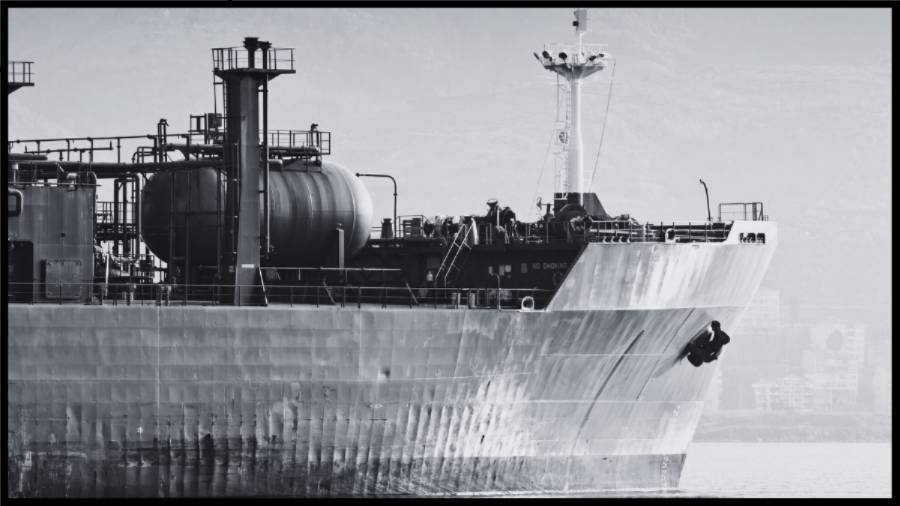
A single 24 hour window has turned Gulf risk from “elevated” to “actively expanding,” with attacks now touching three layers of the maritime system at once: ships at sea, ships in port approaches, and fuel infrastructure ashore. Reports today describe tankers set on fire, a containership struck near Hormuz, and drone strikes hitting fuel storage at Oman’s Salalah port. The combined effect is not just damage events, it is a tighter operating envelope: more holding behavior, higher insurance friction, more port pauses, and rapidly rising schedule uncertainty for energy and liner cargo moving through Gulf connected corridors.
Subscribe to the Ship Universe Weekly Newsletter
Click here for 30 second summary ▶
Attacks now hit ships at sea and fuel systems ashore
Reporting today describes tankers set on fire and a containership struck near the Hormuz operating area, while drone strikes hit fuel storage at Oman’s Salalah port. UKMTO also issued an incident warning describing a cargo vessel hit by a projectile in the Strait with a fire onboard and the crew evacuating. Taken together, the operational signal is an expanding footprint and higher disruption risk to both transit flow and port fuel logistics.
- Sea layer
Multiple vessel attacks, including fires onboard and strike reports near the Strait environment. - Shore layer
Fuel storage infrastructure struck at a port, shifting risk into bunker and terminal operations. - System layer
When ship risk and fuel risk stack, the corridor behaves like a valve: holds build, then releases arrive in waves.
| Impact lane | Latest escalation marker | Immediate operational effect | Freight and cost transmission | Port and terminal consequence | Next confirmations to watch |
|---|---|---|---|---|---|
| Tankers set on fire |
Market reporting describes tankers torched during the current escalation cycle.
High severity for owners
Context includes widening use of drones and remote explosive craft against tankers.
|
Fewer owners accept exposure, ships avoid predictable patterns, and anchorage behavior increases as vessels stage for safer windows. | Effective vessel supply shrinks fast when willingness drops. Rates can gap higher even without new cargo growth. | Load windows become harder to hold because ships arrive late or not at all, which cascades into berth sequencing and inventory planning. | Any confirmation of weapon type, location cluster, and whether additional attacks target ships at anchor. |
| Containership struck |
Coverage today describes a containership struck as part of the escalation.
Liner schedule break risk
Recent incident reporting highlights projectile strikes against commercial vessels near the Strait area.
|
Lines shift into disruption mode: holds, diversions, and faster network re-optimisation around safer hubs. | Emergency surcharges and disruption charges become the fastest pass-through mechanism, followed by rolled bookings and premium space sales. | Gateway ports outside the highest-risk waters can congest quickly as cargo reroutes, pushing dwell time higher. | Any carrier advisories on port omissions, booking pauses, or emergency discharge plans that change customer delivery obligations. |
| Omani fuel tanks burning |
Oil storage facilities at Salalah port were struck, with drone use cited by security reporting and state media.
Fuel logistics node hit
Terminal closures and operational pauses were reported after the strike.
|
Marine fuel planning tightens because a key node can become constrained, and ships may shift bunkering to alternate ports. | Bunker premiums can widen quickly when a major supply point is disrupted, adding immediate voyage cost inflation. | Port operations can pause or narrow, affecting feeder connections, transshipment rhythm, and local storage handling. | Duration of terminal restrictions, status of tank farm damage, and whether recovery is partial or prolonged. |
| Strait incident warnings |
UKMTO warning reported a cargo vessel hit by a projectile with a fire onboard and evacuation underway.
Active hazard indicator
UKMTO advised vessels to transit with caution and report suspicious activity.
|
More holding behavior, delayed transits, and faster shifts to safe anchorage bias when multiple incidents occur close together. | Waiting time becomes the hidden cost driver. A few days of delay removes effective fleet supply. | Arrival waves form when movement resumes, creating downstream congestion at ports well outside the immediate strike zone. | Updates from incident centers and any change in regional threat level posture. |
| Campaign broadening |
Ship-attack tallies and infrastructure hits indicate a wider operating picture across the Gulf region.
Multi-node stress
Recent compiled summaries list double-digit ship attacks since the conflict began Feb 28.
|
Operators move from “incident response” to “continuous disruption posture,” changing routing, timing, and insurance workflows. | Freight shock can persist even after a quiet day, because cycle times and positioning remain distorted. | Ports and terminals outside the Gulf absorb rerouted volumes and experience congestion migration. | Whether additional port fuel systems are hit or whether the pressure remains concentrated on a small set of nodes. |
When tankers are attacked, a containership is struck, and port fuel tanks burn in the same cycle, the system impact is rarely linear. This planner turns the escalation pattern into a clean brief you can share internally, anchored to time cost, bunker stress, and port pause risk.
We welcome your feedback, suggestions, corrections, and ideas for enhancements. Please click here to get in touch.