IMO Tallies 529 False-Flag Vessels as Fraudulent Registries Spread
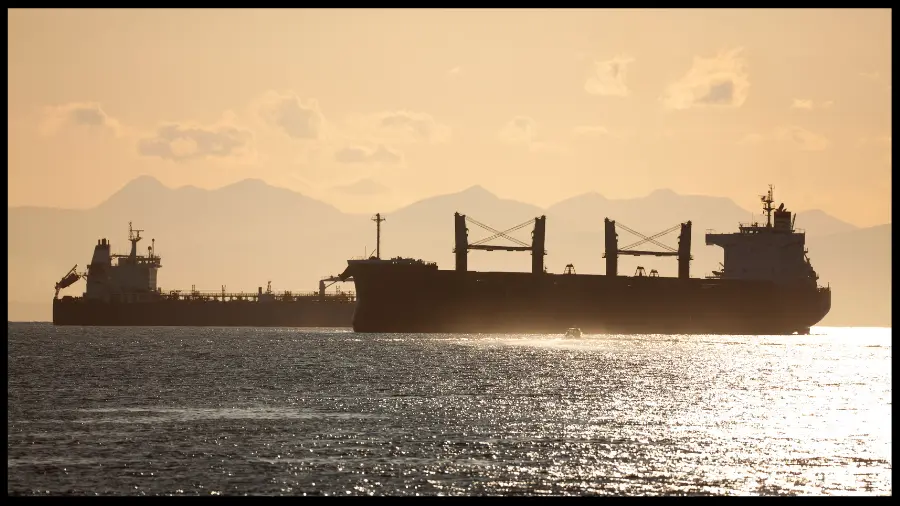
The International Maritime Organization has recorded 529 vessels showing a “false flag” status in its GISIS ship and company particulars module, reflecting cases where a vessel claims a flag without authorization or uses fraudulent registration pathways. Recent member-state notifications describe a widening pattern: fake maritime administration websites, forged certificates, and misuse of identity elements such as MMSI allocations, with multiple states reporting they do not operate international registries while their names are being used anyway.
Subscribe to the Ship Universe Weekly Newsletter
Click here for 30 second summary
IMO false-flag count in one read
The IMO has recorded 529 vessels showing “false flag” status in its GISIS ship and company particulars module, used when a vessel is identified as claiming a flag without authorization. IMO also describes that the status can change if a ship later registers under an authorized flag.
-
Scale and coverage signal
IMO-related reporting indicates more than 350 of the falsely flagged ships are not classed by any classification society, tightening the verification lens for counterparties. -
Fraud pathways being described
Member-state notices referenced fake registry websites and certificates, and cases where states said they do not operate international registries while their names were used on ship papers. -
Execution effect
The operational impact is more “prove it” cycles between fixture, nomination, and arrival, with higher risk of detentions or refusals when flag validity cannot be confirmed quickly.
A 529-vessel false-flag count elevates counterparty screening across trades. Flag validity checks, class coverage confirmation, and certificate verification are becoming schedule and deal gating factors, especially where sanctions exposure or high-scrutiny ports are in play.
| Fast Take | 529 reflects | Shows up operationally | Impact on fixtures and port calls | Closest stakeholders |
|---|---|---|---|---|
| A hard compliance datapoint |
IMO reports **529 vessels** flagged as “false flag” in its GISIS particulars module, used when a vessel claims a flag without authorization.
Status can change if a vessel is later properly registered under an authorized flag.
|
Identity artifacts conflict: registry confirmation fails, certificates do not validate, or a state publicly denies operating an international registry while ships claim it.
Registry denialCertificate mismatchFraud websites
|
Higher rejection rates at onboarding and nomination, plus more “prove it” cycles between fixture, clearance, and port state checks. | Owners, charterers, P&I, banks, vetting teams, agents, terminals, port state control. |
| Large share outside class |
IMO reporting indicates **more than 350** of the falsely flagged ships are **not classed** by any classification society.
Not a legal conclusion by itself, but it tightens the risk lens.
|
Documentation chains are thinner: class and statutory coverage signals are weaker or harder to verify quickly in the execution window. | Counterparty reluctance rises on late-stage checks, with higher likelihood of “no go” decisions before berth, STS, or canal/transit commitments. | Tanker trades under sanctions pressure, STS corridors, commodity traders, compliance-heavy terminals. |
| Member-state alerts are stacking up | IMO circulated communications from multiple states describing fraudulent registrations, including alerts about fake maritime administration websites and forged papers. | Fraud patterns repeat across flags: cloned websites, official-looking PDFs, QR codes that resolve to spoofed domains, and fast flag-hopping. | Screening shifts from “paper present” to “paper verifiable,” and time-to-verify becomes a scheduling variable. | KYC teams, registries, class societies, ship managers, port authorities. |
| Concrete examples in recent notices | Recent state notices include countries stating they do not operate open registries, plus cases involving suspected misuse of identity allocations (for example MMSI related issues raised by a member state). | AIS and identity fields can be used as a fraud carrier, even when a ship’s physical name and IMO number remain constant. | Adds friction at arrival and inspection: identity discrepancies can trigger detentions, additional inspections, or service refusals. | Bridge teams, agents, PSC, terminals, insurers, coastal states. |
| Why this matters beyond one trade | False-flagging is a jurisdiction break: it undermines who has legal authority for safety oversight, casualty response, and enforcement. | In high-scrutiny regions, the flag question becomes a real-time operational risk, not just an admin detail. | Route planning, port selection, and counterpart acceptability can change on short notice if flag validity is questioned. | All vessel types with sensitive cargoes, older tonnage, or complex ownership chains. |
IMO explains that a “false flag” status appears in GISIS when a ship is identified as using a flag without authorization, and that status can change if the ship later registers under an authorized flag. Recent IMO-related reporting also notes a high share of the falsely flagged population sitting outside classification society coverage.
Member-state notices described fake registry websites and certificates, plus cases where states stated they do not operate international registries while ships claim those flags. Separate reporting highlights MMSI-related misuse concerns raised by a member state in the same theme of identity abuse.
**Counterparty friction meter**
Execution risk: Standard verification cycle
We welcome your feedback, suggestions, corrections, and ideas for enhancements. Please click here to get in touch.