Hormuz Transit Pause Spreads as Tankers Are Hit and Operators Halt Gulf Runs
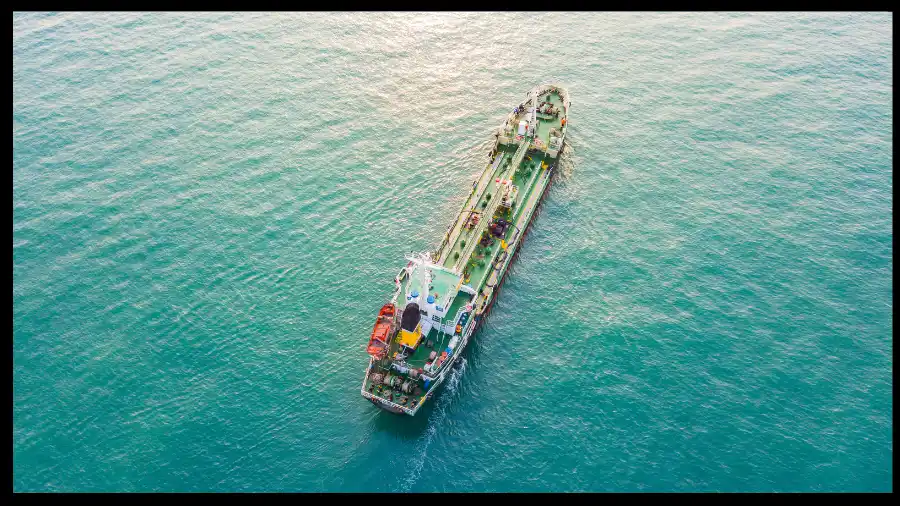
Strait of Hormuz risk has moved from “price it in” to “pause it” behavior. After multiple tanker strike reports and crew casualties, a growing slice of operators and cargo interests are treating Gulf transits as an operational stop signal, with ships bunching up near the chokepoint, some services suspended, and new surcharges and routing changes landing immediately across Gulf-linked networks.
Subscribe to the Ship Universe Weekly Newsletter
Click here for 30 second summary of the full piece ▶
Hormuz disruption turns into a practical stop signal
A series of reported attacks and damage to multiple tankers in and around the Strait of Hormuz, along with reported crew casualties, has pushed operators into immediate “pause and shelter” behavior. Vessel clustering near the chokepoint increased, and major carriers signaled suspensions, reroutes, and emergency surcharges tied to Gulf exposure.
- Core operational shift: movement from “risk premium” to “transit pause” decisions for some operators and cargo chains.
- Fastest visible symptom: ships holding offshore and bunching, plus booking pauses and surcharge announcements.
- Why it matters: even partial stoppage changes availability, timing, and insurance posture across crude, products, and LNG flows.
When the market treats Hormuz as a stop signal, disruption transmits first through delays and service suspensions, then through freight, insurance, and port-side congestion effects across Gulf-linked trades.
| Fast reader take | Observed trigger | Market response that matters | Negative shipping consequence | Shows up first | Closest stakeholders |
|---|---|---|---|---|---|
| Physical incidents shift the corridor from “priced” to “paused” |
Multiple tankers reported damaged in and around the Strait of Hormuz and Gulf of Oman, with reported crew casualties.
Vessels hit
Crew casualties
Escalation
|
A portion of operators and cargo interests moves to holding patterns, shelter instructions, or transit pauses. | Immediate delays plus a higher probability of cascade effects into port berthing, inland scheduling, and customer delivery windows. | Offshore vessel queues near the chokepoint and sudden drops in through-traffic. | Tanker owners, LNG operators, masters, terminal planners, vessel agents. |
| Carrier policy actions turn risk into network disruption |
Major operators announced suspensions, reroutes, booking limits, and Gulf-related surcharges as the security picture worsened.
Transit suspensions
Reroutes
Surcharges
|
Network posture changes immediately for Gulf-linked services, including safe-shelter directives and diversion logic. | Schedule reliability deteriorates fast, especially for cargo needing Gulf port calls and tight delivery commitments. | Customer advisories, blanked or reslotted calls, and revised ETAs on Gulf services. | Container lines, chartering desks, shippers, forwarders, port call coordinators. |
| Clustering becomes the “real-time stress meter” |
Reports show large numbers of vessels anchoring or holding near Hormuz as risk rises and passage decisions stall.
Holding patterns
Congestion risk
|
Even partial holding reduces effective fleet supply, tightening tonnage availability beyond the Gulf itself. | Freight and hire rise, and later-month availability becomes harder to lock in with confidence. | Spot market tightness, fewer prompt options, wider bid-ask for Gulf exposure. | Traders, oil majors, refiners, brokers, derivatives desks. |
| Insurance and compliance become gating layers |
Risk advisories and war-risk pricing behavior typically intensify after incidents and transit pauses.
War-risk premium
Coverage friction
|
Voyages face tighter screening and more documentation churn tied to route, affiliation risk, and security posture. | Slower execution and higher total voyage cost, with disputes and claims risk rising when schedules slip. | Coverage confirmation timing, routing clauses, and port service willingness. | P&I, war-risk underwriters, legal teams, compliance, claims handlers. |
| Ports and terminals feel it next |
When arrivals become lumpy, terminals face waves of arrivals and gaps, then follow-on congestion.
Berth windows
Demurrage pressure
|
Gulf port operations can see irregular labor and berth utilization patterns driven by safety posture and queue management. | Longer port stays, higher demurrage exposure, and knock-on delays into feeder and inland moves. | Berth lineup volatility, anchorage times, and appointment instability. | Terminal operators, pilots, towage, storage operators, charterers. |
The stop signal is not one event, it is a stack of triggers
In fast-moving chokepoint crises, operators usually change behavior when multiple triggers align: physical incidents, traffic clustering, formal advisories, service suspensions, and surcharges. Recent reporting shows those signals arriving together, including damaged vessels, clustering near Hormuz, and major operators announcing pauses, reroutes, or booking limits tied to Gulf exposure.
Hard indicators that the market has shifted into “pause mode”
- Incidents plus casualties: reported strikes and crew losses change the risk baseline immediately.
- Clustering: large numbers of ships holding offshore is a direct signal that transit decisions are stalling.
- Operator actions: transit suspensions and booking freezes convert risk into capacity shock.
- Surcharges: emergency and war-risk surcharges show that the cost layer is shifting in real time.
Stop-signal intensity dashboard
Toggle what is currently true in your operating picture. This produces a simple intensity score that mirrors how quickly a corridor can flip from “transit with premium” to “hold and shelter.”
When intensity reaches the top range, the operational reality shifts to holding, shelter, and rerouting behavior that tightens effective fleet supply and creates immediate delay waves across crude, products, and LNG chains tied to Gulf ports.
The critical point now is that the Strait is being treated less like a high-cost corridor and more like a corridor with an on-off switch. Even if only a portion of operators stay out, the knock-on effect shows up fast because delays bunch vessels, compress berth windows, and shrink effective tonnage supply. Bottom Line Impact: if pause behavior persists, the first-order hit is schedule reliability and availability, and the second-order hit is higher freight and insurance friction across crude, products, and LNG flows tied to Gulf loadings.
We welcome your feedback, suggestions, corrections, and ideas for enhancements. Please click here to get in touch.